
Determining the best age for a hair transplant involves far more than simply reaching legal adulthood or having sufficient hair loss to justify intervention. The decision requires careful consideration of biological factors, pattern stability, long-term planning implications, and realistic outcome expectations that vary dramatically across different life stages. A procedure performed at age 25 carries vastly different considerations and potential complications than the same procedure at age 45, even if both patients show identical current hair loss patterns.
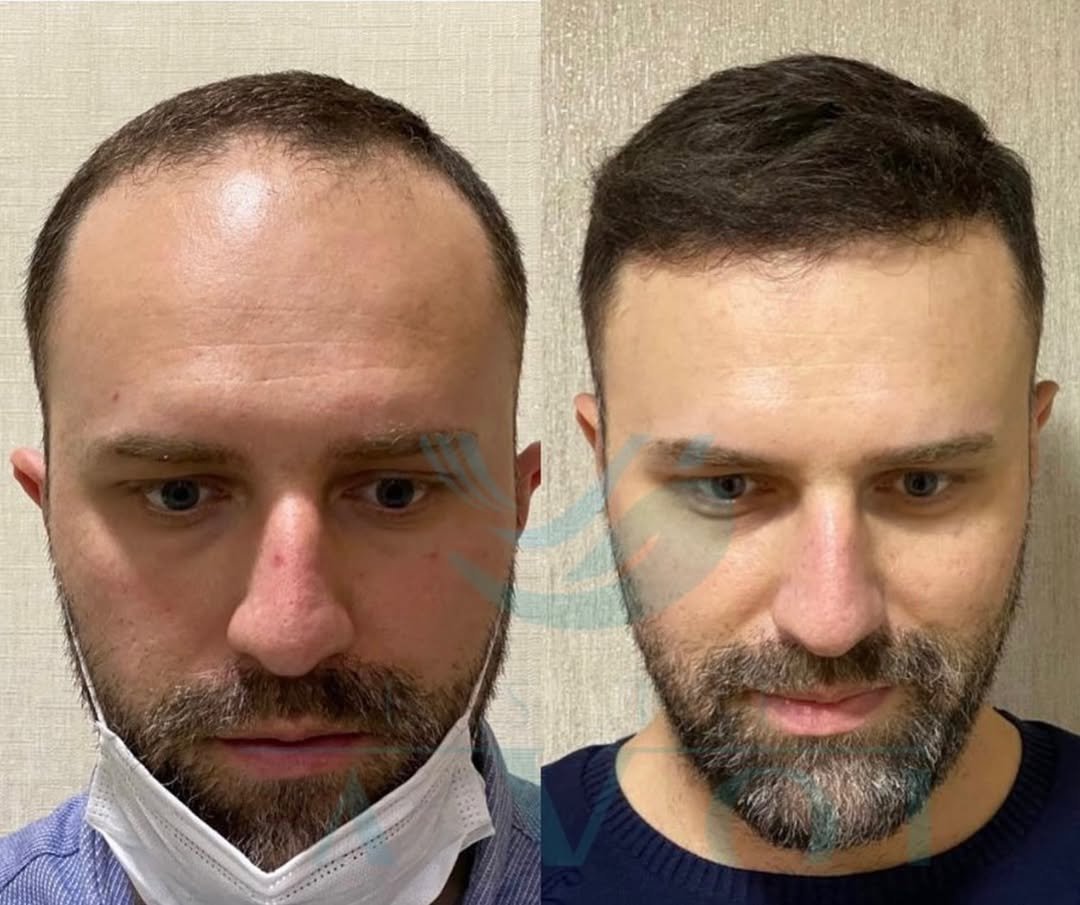
The question of ideal timing has evolved significantly as hair restoration techniques have advanced and our understanding of long-term planning has deepened. While early intervention seems intuitively appealing—addressing hair loss before it progresses extensively—this approach can backfire spectacularly if undertaken before loss patterns stabilize, potentially leaving patients with unnatural results as continued recession occurs around restored areas. Conversely, waiting too long can mean missed years of confidence and social comfort, or insufficient donor resources remaining to achieve satisfying coverage once you finally decide to proceed.
Leading hair transplant in Turkey surgeons have developed sophisticated frameworks for evaluating age-appropriateness that balance immediate patient desires against long-term outcome optimization. This comprehensive guide explores the biological, practical, and strategic considerations that determine ideal timing across different age ranges, helping you understand whether you’re at the optimal point in your journey or whether waiting—or proceeding immediately—better serves your lifetime satisfaction with hair restoration outcomes.
Understanding Hair Loss Progression and Age
Before determining ideal transplant timing, you must understand how male pattern baldness typically progresses across decades and why this progression pattern critically influences surgical planning.
The Natural Timeline of Male Pattern Baldness
Male pattern baldness follows genetically predetermined progression that varies significantly between individuals but generally adheres to recognizable patterns. Most men destined for significant hair loss show initial signs between ages 17-25, typically beginning with temple recession or frontal hairline changes. This early-stage loss often progresses slowly initially, accelerating during the late twenties and thirties before potentially stabilizing in the forties or fifties.
The Norwood-Hamilton classification system documents seven primary stages of progression. Many men reach Norwood Stage 2-3 (minor to moderate temple recession with possible frontal thinning) by their late twenties or early thirties. Progression to Stage 4-5 (more extensive frontal and mid-scalp loss with crown involvement) typically occurs during the thirties and forties. Advanced stages (6-7, with extensive baldness leaving only the permanent horseshoe zone) develop in men with aggressive patterns, often by their forties or fifties.
However, these timelines represent averages with enormous individual variation. Some men show aggressive progression from Stage 2 to Stage 6 within just 5-7 years, while others remain at Stage 2-3 for decades. This unpredictability makes timing transplantation challenging—you’re essentially making surgical decisions based on incomplete information about your ultimate pattern.
Understanding your likely progression trajectory requires examining family history, particularly maternal relatives whose genetic contribution influences your pattern more than paternal lineage. If your maternal grandfather maintained reasonable coverage into his sixties, you’re likely to follow a more conservative progression. If he showed aggressive early loss reaching advanced stages by his forties, you face higher risk of similar patterns requiring strategic conservative planning.
Why Pattern Stability Matters Tremendously
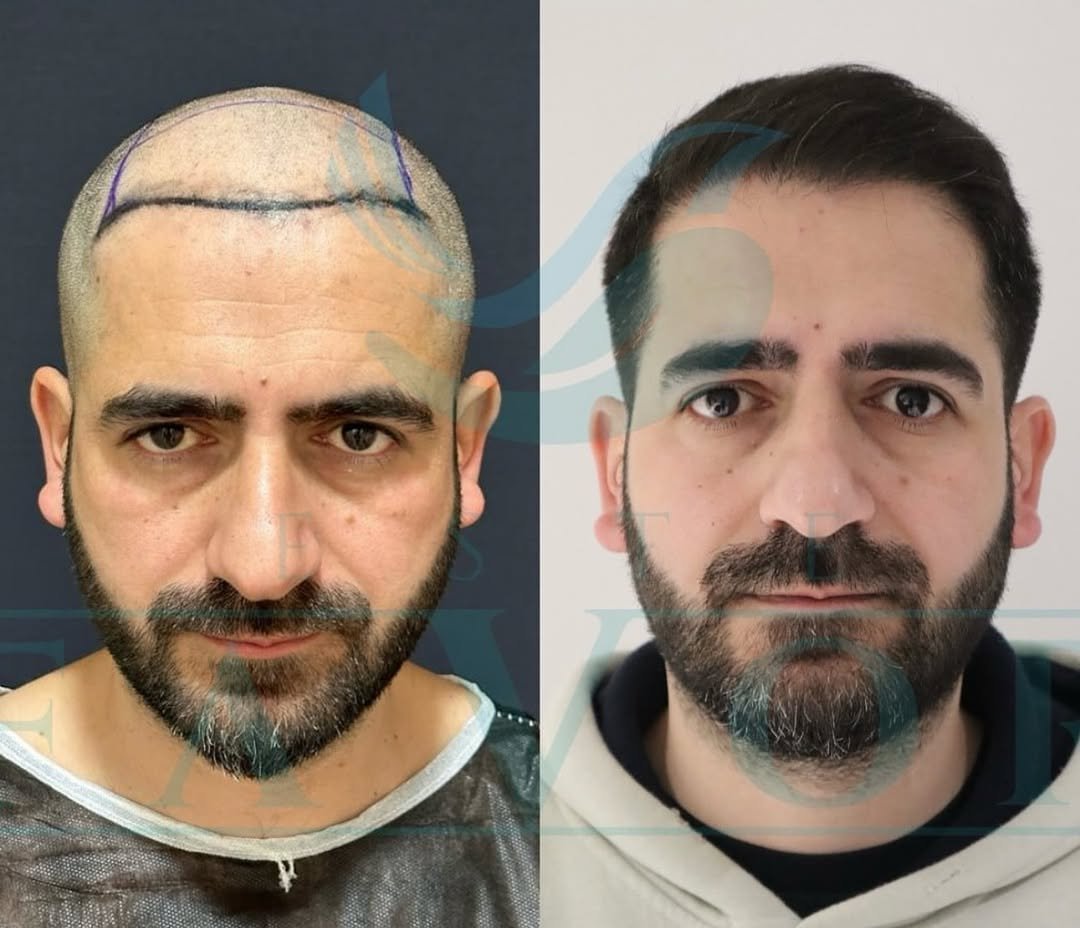
Pattern stability—the point where your hair loss progression slows or stops—represents the ideal timing for transplantation from a purely technical perspective. Operating on a stable pattern allows the surgeon to design restoration that remains aesthetically appropriate indefinitely because no further significant changes will occur around or behind the restored areas.
The problem is that true stability often isn’t achieved until the forties or even fifties—decades after initial loss begins and long after many men’s patience for waiting has exhausted. Asking a 25-year-old with noticeable recession to wait until 45 for stability feels unreasonable, yet proceeding at 25 carries substantial risk of creating results that become problematic as continued progression occurs.
This tension between optimal technical timing and reasonable quality-of-life considerations drives much of the complexity in age recommendations. The best hair transplant clinic in Turkey surgeons must balance these competing factors, sometimes recommending staged procedures that address current concerns while preserving resources for likely future progression, rather than waiting for complete stability that may be decades away.
The Donor Area Capacity Consideration
Your donor area—the permanent zone at the back and sides of your head—contains a finite number of transplantable follicles, typically 4,000-8,000 follicular units depending on density and safe zone dimensions. This limited resource must serve your entire lifetime, potentially addressing multiple areas across several procedures as progression continues.
Younger patients face greater risk of eventually exhausting donor resources because they have more years of potential progression ahead. A procedure at age 25 might use 2,500 grafts for hairline restoration, leaving approximately 4,000-5,000 grafts for future needs. If progression continues aggressively, reaching Norwood 6 by age 40, those remaining grafts may prove insufficient for adequate mid-scalp and crown coverage, leaving an unbalanced appearance with no solutions remaining.
Older patients achieving relative stability face less donor exhaustion risk because their ultimate pattern is largely established. A 45-year-old at Norwood 4 who’s shown minimal change over the past five years can more confidently allocate donor resources because future needs are more predictable. This resource security makes later-life procedures strategically safer even if they mean years of living with hair loss that could have been addressed earlier.

Age Ranges: Detailed Analysis
Breaking down considerations by specific age ranges reveals how timing implications shift across different life stages and why one-size-fits-all recommendations fail to serve patients optimally.
Ages 18-24: The High-Risk Early Intervention Period
Men in their late teens and early twenties often show the most anxiety about emerging hair loss, understandably wanting immediate correction of changes they find psychologically distressing. However, this age range represents the highest-risk period for hair transplantation despite appearing to be early intervention.
The fundamental problem is pattern unpredictability. A 22-year-old at Norwood Stage 2 has no way to know whether he’ll remain at Stage 2-3 for decades or progress rapidly to Stage 6 by age 30. Family history provides clues but not certainty—genetic expression varies even among close relatives. Operating on unstable patterns creates substantial risk of results that look appropriate initially but become problematic within just a few years.
Creating low, aggressive hairlines appropriate for early twenties appearance may look increasingly unnatural as the patient ages into his thirties and forties. Even if no further recession occurs, the aesthetic appropriateness of a teenage-style hairline diminishes with age. If recession does continue behind the restored hairline, the isolated “hair island” effect becomes increasingly pronounced.
Most ethical surgeons recommend extreme caution in this age group, often suggesting waiting until at least 25-27 unless hair loss is exceptionally advanced (rare in this age group) or family history strongly suggests stable, limited patterns. The hair transplant Turkey price advantages might tempt early intervention, but savings provide no consolation if results become problematic within years due to continued progression.
However, exceptions exist. A 23-year-old with clear family history of limited progression who’s maintained stable Norwood 2-3 for 3-4 years might be appropriate for conservative hairline restoration. The key is conservative design—slightly mature hairline positioning, moderate density, and explicit planning for potential future procedures addressing likely progression areas.
Ages 25-29: The Borderline Consideration Period
The mid-to-late twenties represent a transitional period where some patients become reasonable candidates while others remain too high-risk. Individual assessment becomes crucial rather than applying blanket age-based recommendations.
Favorable factors supporting consideration at this age include: stable pattern for 3-5 years, family history suggesting limited progression, relatively conservative current loss stage (Norwood 2-3), realistic expectations about needing potential future procedures, and willingness to accept conservative rather than aggressive restoration designs.
Unfavorable factors suggesting continued waiting include: rapidly progressing pattern, family history of aggressive loss, very early current stage with high likelihood of substantial future progression, desire for aggressive low hairlines or maximum density that exhausts donor resources, or unrealistic expectations about one procedure solving all current and future needs.
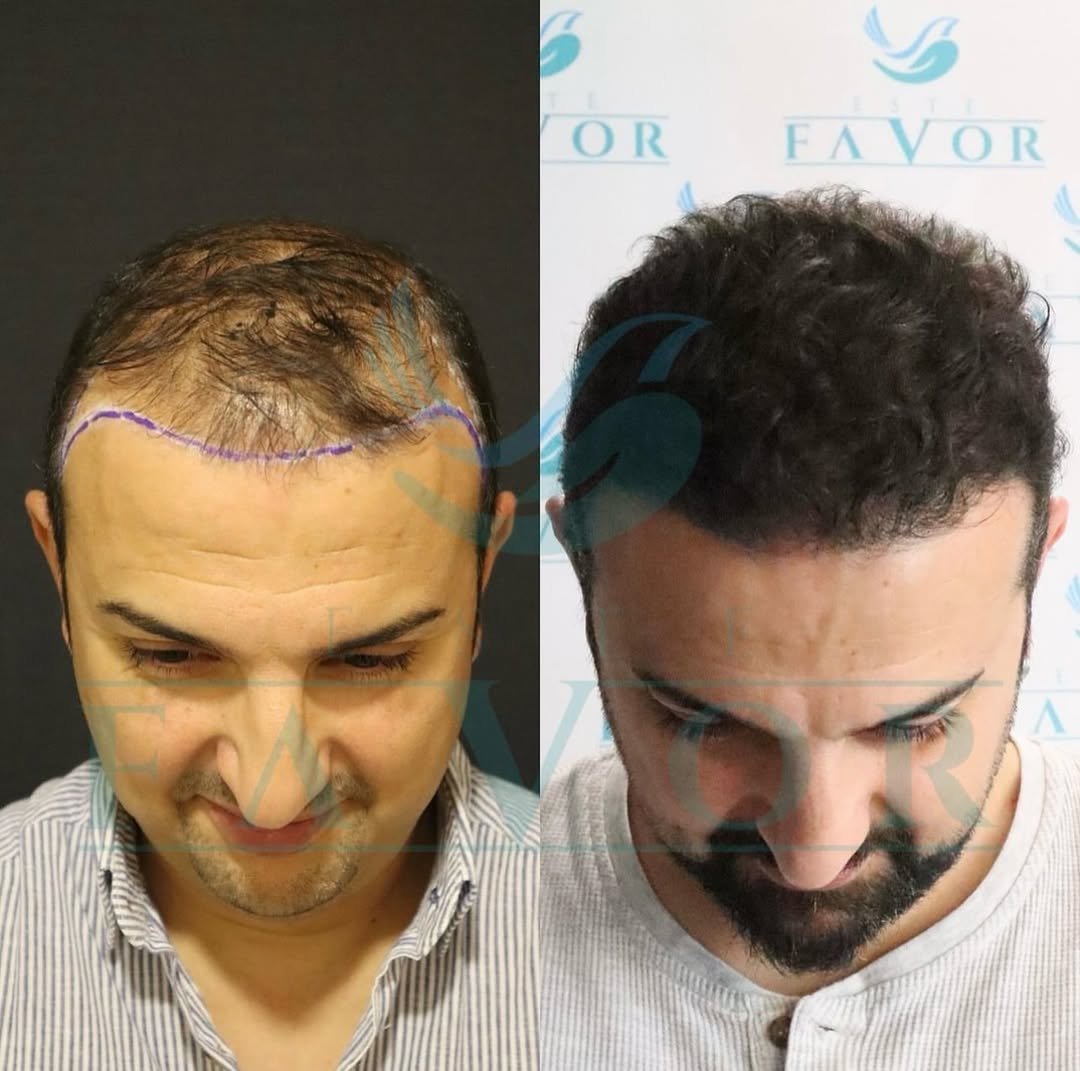
Many surgeons recommend that patients in this age range who show favorable factors proceed with conservative phase-one procedures—addressing the hairline and frontal third while explicitly planning for phase-two procedures in their thirties or forties addressing mid-scalp if progression continues. This staged approach balances quality-of-life benefits of early intervention with strategic donor resource preservation.
The psychological benefits of intervention during these socially crucial years—when dating, early career establishment, and social confidence building are paramount—can justify carefully planned procedures even acknowledging future intervention likelihood. However, patients must understand they’re potentially beginning a multi-procedure journey rather than achieving definitive one-time solutions.
Ages 30-35: The Sweet Spot for Many Patients
The early-to-mid thirties represent what many surgeons consider the ideal window for initial hair transplantation in patients with typical progression patterns. By this age, patterns have often declared themselves more clearly, showing several years of documented progression that allows reasonable prediction of ultimate extent.
A 32-year-old who’s progressed from Norwood 2 at age 25 to Norwood 3-4 by age 30, with progression rate slowing over the past two years, represents an ideal candidate. The pattern is reasonably established, progression velocity suggests approaching stability, the patient has lived with loss long enough to make informed decisions rather than reacting emotionally to initial changes, and sufficient donor resources likely remain for both current restoration and potential future touch-ups.
This age group also represents optimal balance of procedure benefits—young enough that intervention provides decades of enhanced appearance and confidence, yet mature enough that hairline designs can be appropriately conservative without looking unnatural. A slightly mature hairline looks perfectly appropriate on a 33-year-old and will continue looking appropriate at 45, 55, and beyond.
The hair transplant in Istanbul specialists report highest satisfaction rates among patients who undergo initial procedures in their early thirties, likely due to this optimal balance of pattern clarity, remaining donor resources, age-appropriate design possibilities, and decades of benefit ahead. Most complications, regrets, and need for extensive corrections trace to procedures performed either significantly earlier or significantly later than this window.
Career and life stability also typically increase by early thirties—patients have established income making procedures more affordable, have greater life experience for informed decision-making, and often have settled into lifestyle patterns allowing better recovery accommodation compared to the more chaotic early twenties.
Ages 35-45: The Established Pattern Period
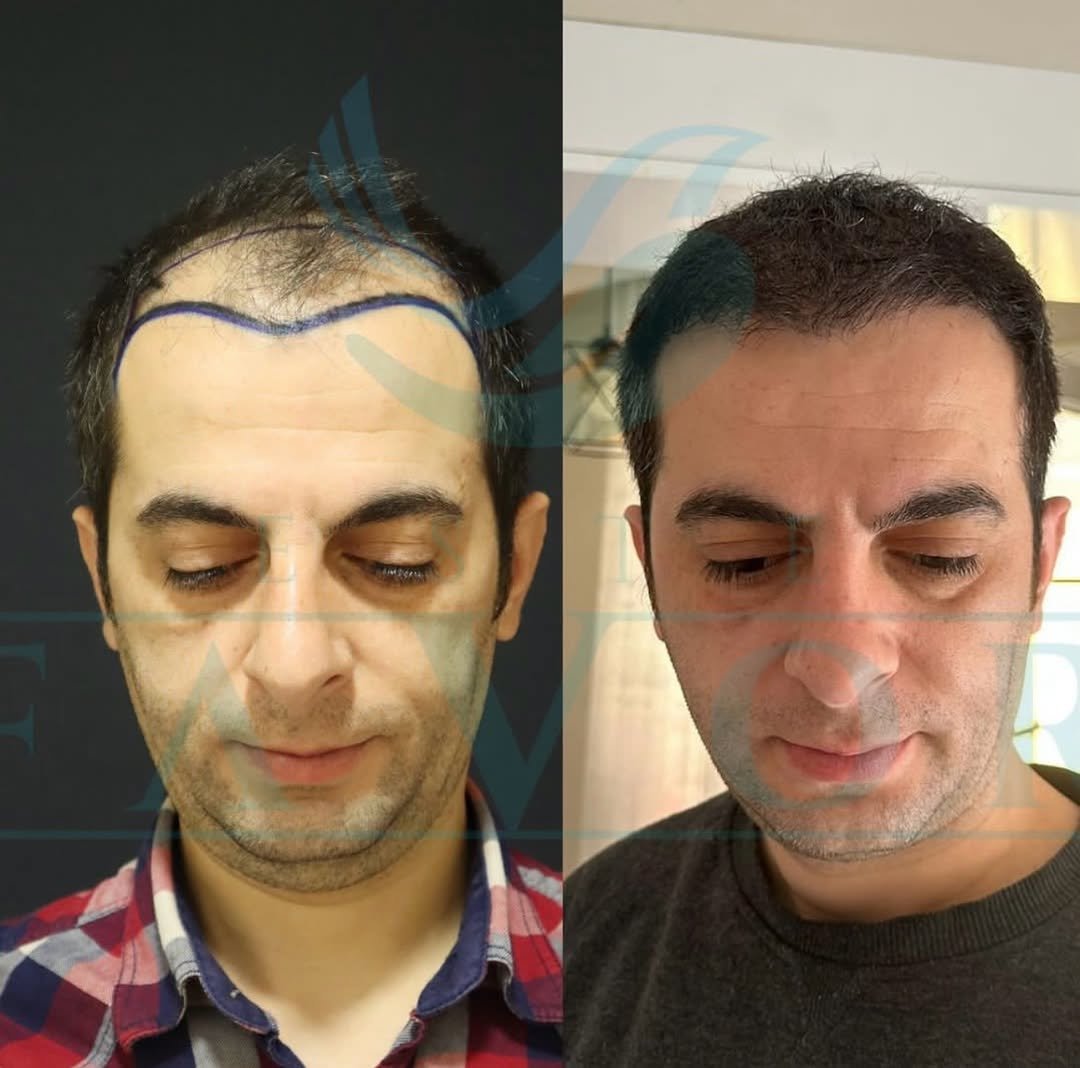
The late thirties and forties represent the age range where patterns have largely stabilized, making surgical planning most straightforward and predictable. Patients in this range typically show well-established loss patterns with clear family precedent, allowing surgeons to design comprehensive solutions with confidence about long-term appropriateness.
A 40-year-old at Norwood 4-5 who’s shown minimal change over the past 3-5 years represents the lowest-risk transplant candidate from a pattern stability perspective. The surgeon can confidently allocate resources knowing that what’s restored will likely remain the primary areas needing coverage, with minimal risk of extensive new areas requiring attention in the future.
However, this age range also faces challenges. More extensive loss patterns mean larger areas requiring coverage, potentially straining donor capacity. A patient with Norwood 5-6 might need 4,000-6,000 grafts for satisfying coverage—approaching or exceeding total safe donor capacity in a single procedure. This necessitates strategic density distribution, potentially accepting lighter coverage in less visible areas to achieve satisfying density in critical regions.
The decades of living with hair loss before intervention also means years of potential confidence impact and social discomfort that earlier intervention might have mitigated. Balancing the technical advantages of waiting for stability against the quality-of-life costs of those waiting years represents a deeply personal calculation with no objectively correct answer.
Financial considerations shift in this age range too. Established careers typically mean greater financial resources, making procedures more easily affordable. However, competing financial priorities—children’s education, mortgages, retirement savings—may make allocating several thousand dollars to cosmetic procedures more complicated than in younger years with fewer obligations.
Ages 45-55: The Mature Intervention Period
Patients in their late forties and fifties considering first-time hair restoration face distinct considerations. Pattern stability is essentially guaranteed—you know exactly what you’re working with and what the restoration must address. However, age-appropriate design becomes crucial to avoid unnatural appearance.
Creating hairlines appropriate for this age group requires mature positioning and conservative density that looks natural on middle-aged men rather than attempting to recreate youthful density that would appear incongruous. The goal shifts from “restoring youth” to “looking good for your age”—an important distinction that affects design philosophy.
Donor resources may show age-related changes. While the permanent zone remains resistant to male pattern baldness, hair characteristics gradually shift with age—potential graying, slight diameter reduction, or decreased density. These changes don’t preclude successful transplantation but may affect achievable density and aesthetic planning.

Life expectancy considerations enter planning discussions. A procedure at age 50 provides potentially 30-40 years of benefit—substantial value. However, some patients question whether cosmetic intervention at this life stage justifies the investment compared to accepting natural aging. This represents deeply personal values assessment with no universally correct answer.
Many surgeons report high satisfaction among mature patients who proceed with realistic expectations and age-appropriate designs. These patients often have strong psychological motivations—second marriages, career changes, simple desire to look better during retirement years—that make intervention meaningful regardless of “optimal” timing from a purely technical perspective.
Ages 55+: The Special Consideration Period
Patients over 55 considering hair restoration require individualized assessment addressing age-specific factors. Technical considerations include evaluating donor hair quality, overall health status, healing capacity, and realistic life expectancy for procedure benefit justification.
Medical considerations become more prominent. Underlying health conditions, medications, and age-related healing changes require thorough evaluation. However, healthy patients in this age range tolerate procedures well—age alone doesn’t preclude successful outcomes.
Aesthetic appropriateness requires careful consideration. Creating very dense, extensive restorations on 60-year-old patients risks unnatural appearance since most men this age show some degree of thinning or loss. Conservative, natural density creates better outcomes than attempting dramatic transformations that look incongruous with overall appearance.
Donor considerations include acknowledging that gray hair transplants as gray hair—results will match current donor area color. Some patients find gray transplanted hair less noticeable initially before it grows out, while others appreciate the mature, age-appropriate appearance gray hair provides.
Despite these considerations, appropriate candidates in this age range achieve excellent results and report high satisfaction. The procedure improves confidence and appearance during years many patients describe as personally fulfilling—retired with time for travel, hobbies, and social engagement where improved appearance enhances enjoyment.
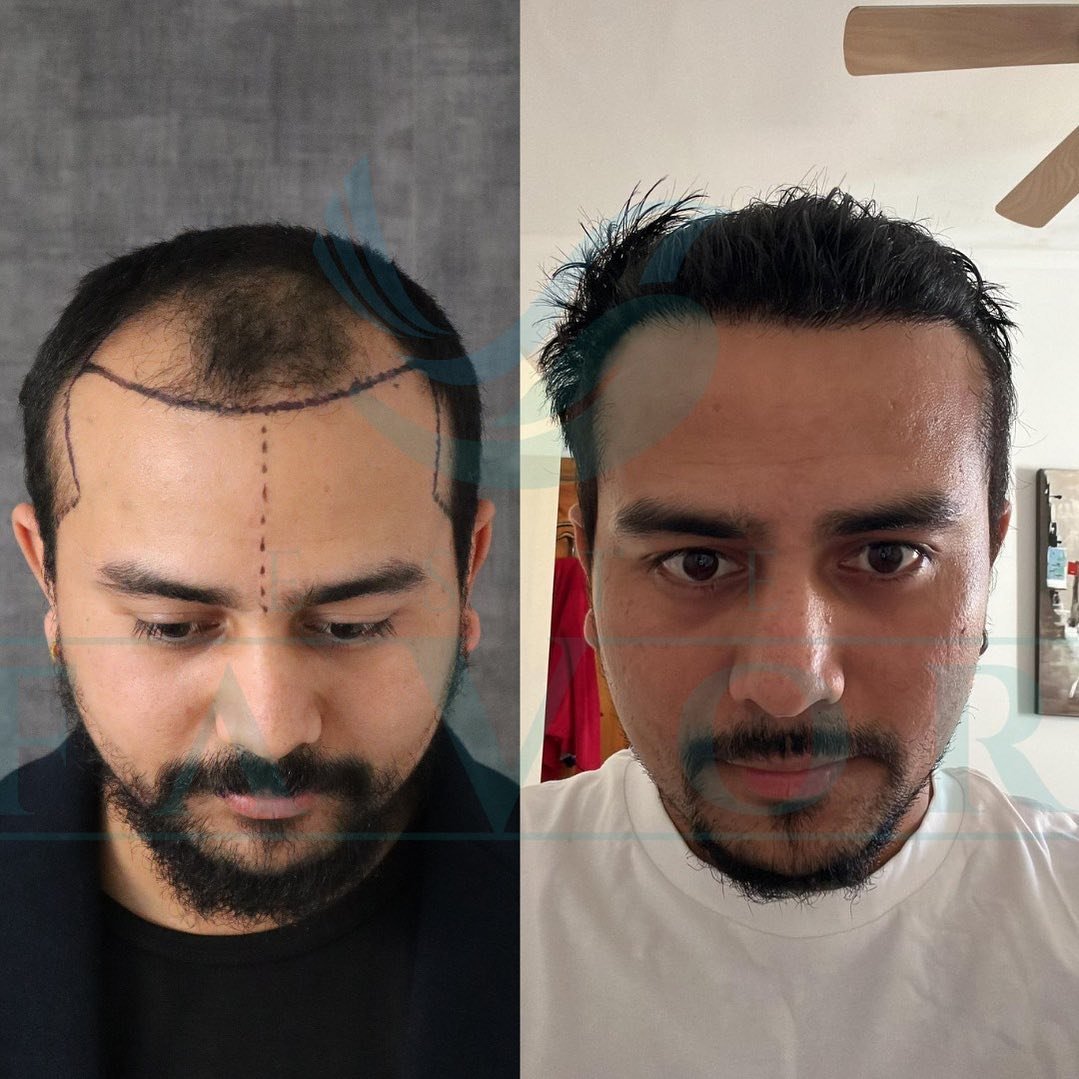
Special Circumstances That Modify Age Recommendations
While the age ranges above provide general guidance, certain circumstances override standard age-based recommendations, making some younger patients appropriate candidates or suggesting older patients reconsider.
Aggressive Early Loss Patterns
The rare patient showing Norwood 5-6 progression by age 25-27 faces difficult decisions. Waiting for stability could mean years in advanced stages with severe psychological impact. However, proceeding risks eventual donor exhaustion as progression potentially continues to Stage 7.
These cases require particularly strategic planning—conservative hairline positioning, strategic density distribution prioritizing most visible areas, explicit discussion of multi-procedure likelihood, and sometimes frank acknowledgment that donor resources may ultimately prove insufficient for complete coverage requiring supplementation with non-surgical approaches.
Stable Family Patterns
Patients from families showing universally limited, stable progression patterns—perhaps all male relatives maintaining Norwood 2-3 throughout life—represent lower-risk earlier intervention candidates. Strong genetic precedent suggesting limited future progression supports more confident resource allocation even in younger patients.
However, even strong family patterns don’t guarantee identical individual expression. Conservative planning remains wise even with favorable genetic indicators, as occasional individuals show more aggressive patterns than family precedent would predict.
Professional or Personal Urgency
Patients facing unique circumstances creating urgency for intervention—perhaps public-facing careers where appearance dramatically impacts success, or significant life events like weddings—may justify earlier procedures despite some increased risk. However, urgency-driven decisions require particularly careful counseling about realistic expectations and potential future needs.
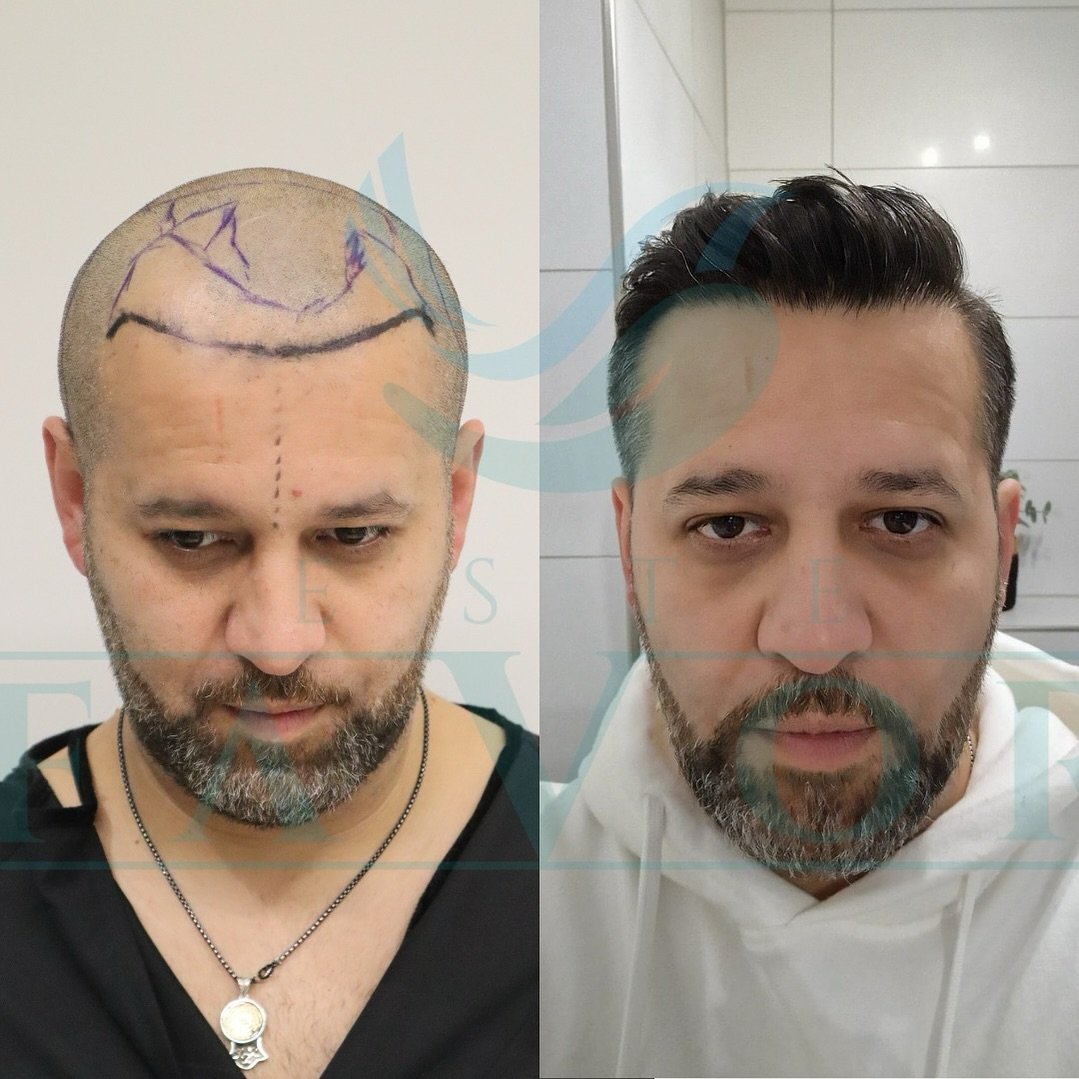
The afro hair transplant Turkey specialists report that patients with professional urgency often benefit from explicitly staged planning—initial procedure addressing immediate needs, with formal planning for phase-two intervention addressing anticipated progression within predetermined timeframes rather than waiting for problems to develop.
Medical Contraindications
Certain medical conditions absolutely contraindicate procedures regardless of ideal age timing. Active scalp infections, uncontrolled bleeding disorders, severe cardiovascular disease, or conditions requiring medications incompatible with surgery preclude intervention until resolved or managed.
Less absolute contraindications like controlled diabetes, managed hypertension, or previous head trauma require individual assessment but don’t automatically preclude consideration. Comprehensive medical evaluation ensures safety regardless of age.
Long-Term Planning Strategies Across Ages
Optimal outcomes require thinking beyond single procedures to comprehensive lifetime hair management strategies that vary based on intervention age.
The Multi-Session Strategic Approach
For patients proceeding in their twenties or early thirties, explicit multi-session planning from the outset protects long-term outcomes. Initial procedures address current concerns using conservative donor resource allocation—perhaps 1,500-2,500 grafts for hairline restoration—while preserving 3,000-4,000 grafts for anticipated future needs.
Spacing procedures 3-5 years apart allows assessment of progression between interventions, avoiding premature use of donor resources for areas that may not need attention for years. This patience-testing approach serves long-term interests better than aggressive single-session attempts at comprehensive coverage that risk donor exhaustion before progression completes.
The Conservative Design Philosophy
Regardless of age at first procedure, conservative design protects future satisfaction. Hairlines positioned slightly higher and more mature than patients might initially prefer look natural indefinitely and remain aesthetically appropriate as continued thinning potentially occurs behind them.
Density distribution prioritizing frontal regions over crown—potentially accepting lighter crown coverage or deferring crown treatment entirely—ensures that the most visible, face-framing areas achieve satisfying results even if total donor capacity proves insufficient for complete dense coverage everywhere.
The Flexibility Preservation Principle
Every decision during planning should preserve maximum future flexibility. Using 70% of donor capacity in an initial procedure leaves only 30% for all future needs—a potentially problematic limitation. Conversely, using 40% initially preserves 60% for future interventions, maintaining substantial flexibility for addressing progression or performing refinements.
This preservation mindset sometimes conflicts with desires for maximum immediate results but serves lifetime satisfaction better than exhausting resources prematurely.
Psychological Maturity and Decision Readiness
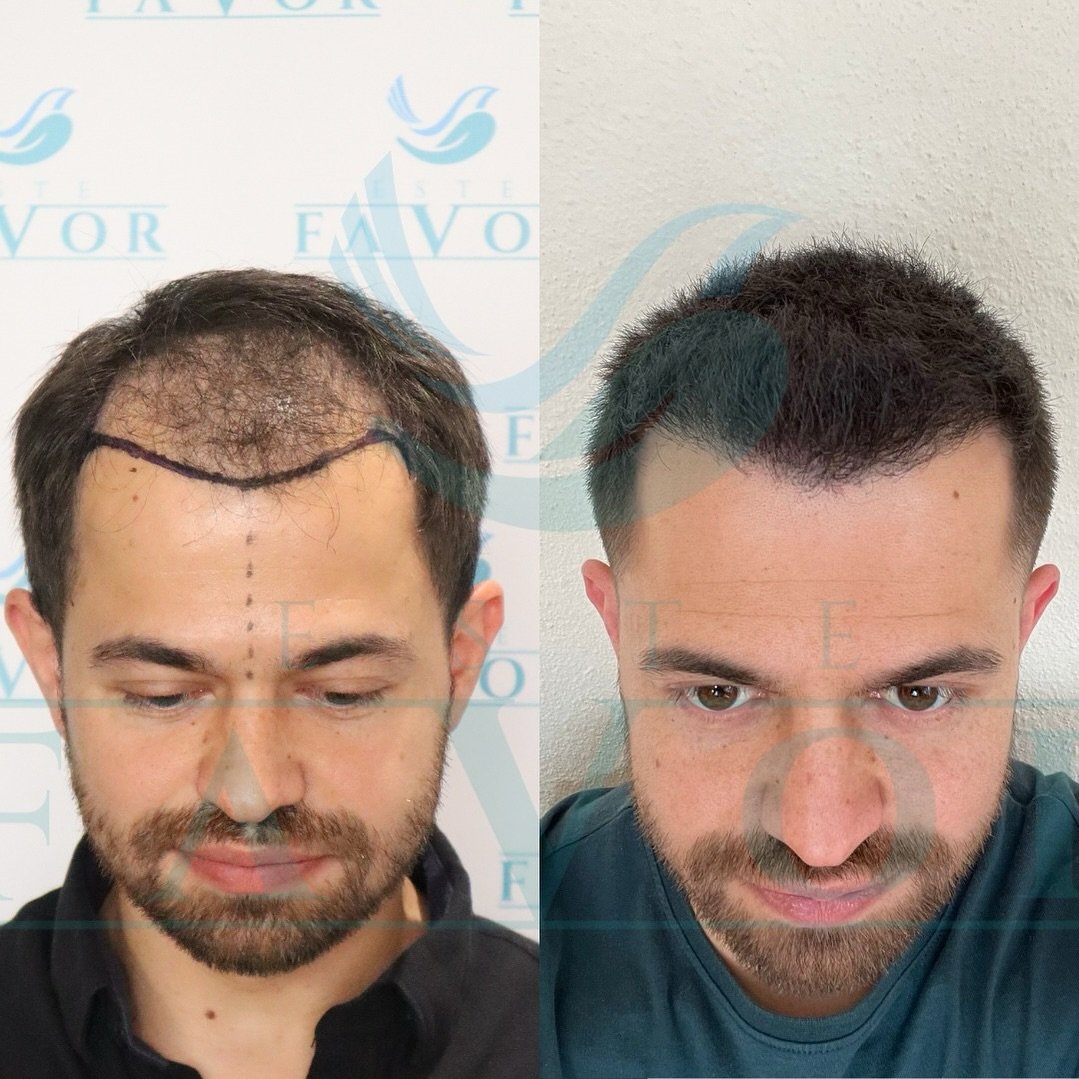
Beyond biological age, psychological readiness significantly influences ideal timing and success likelihood.
Realistic Expectation Development
Younger patients sometimes harbor unrealistic expectations about achieving permanent reversal of all hair loss through single procedures. This optimistic but misguided perspective leads to disappointment when continued progression occurs or when results, though successful, don’t match imagined perfection.
Older patients typically approach decisions more pragmatically, understanding procedures provide improvement rather than perfection and accepting that results, though substantial, won’t transform them into different people. This realistic mindset correlates with higher satisfaction regardless of objective outcome quality.
Long-Term Thinking Capacity
Successful hair restoration requires thinking in decades rather than months. Younger patients sometimes struggle with this temporal perspective, focusing on immediate improvement without adequately considering implications five, ten, or twenty years forward.
Developing this long-term perspective—whether through aging, life experience, or comprehensive education during consultation—represents crucial readiness factor independent of chronological age.
Financial Stability and Planning
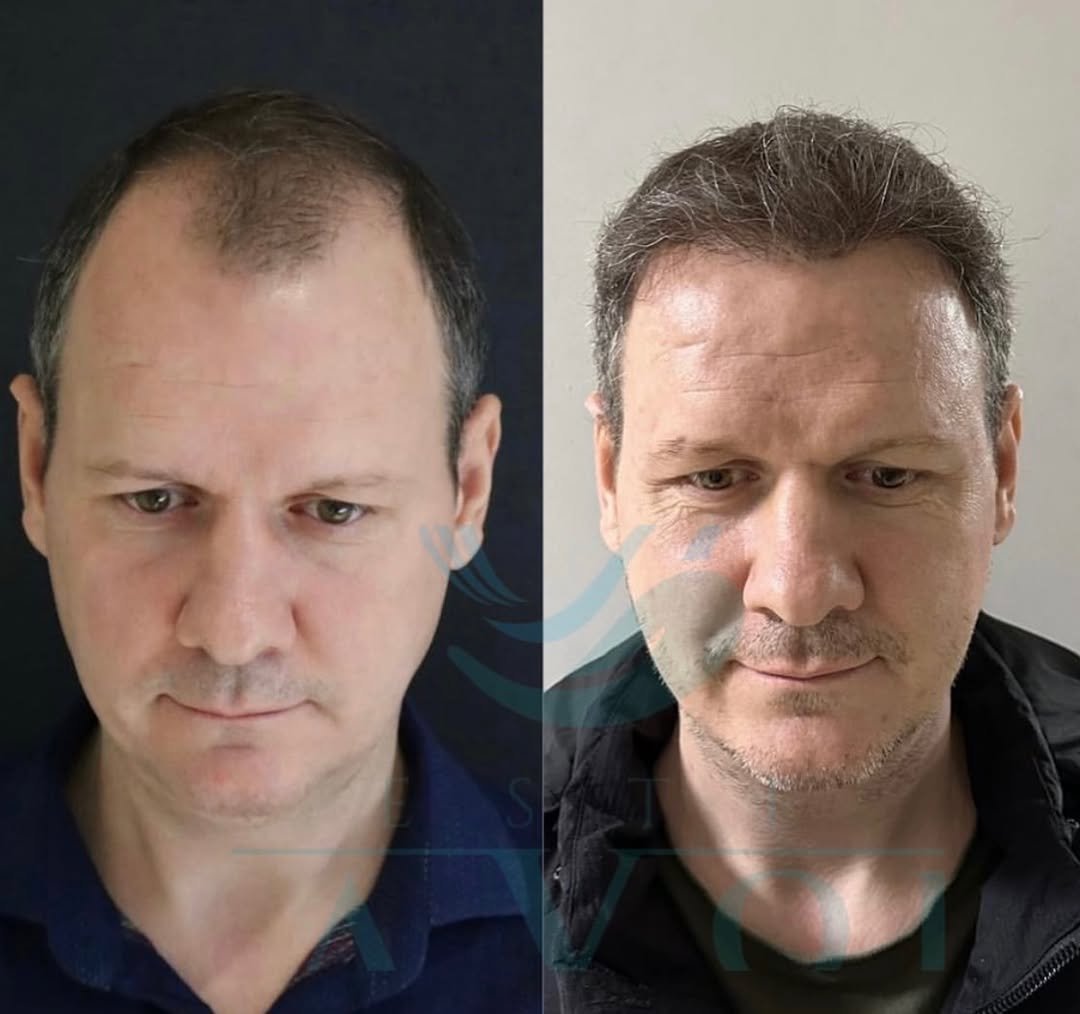
Hair restoration represents significant investment—initial procedures plus potential future interventions can total $5,000-15,000 or more over a lifetime. Financial readiness to commit these resources without creating hardship indicates appropriate timing regardless of biological age.
Proceeding before achieving financial stability—taking loans, depleting savings, or creating financial stress—risks regret even if procedures succeed technically. The hair transplant Turkey cost advantages help, but intervention should still represent comfortable rather than stretching investment.
Conclusion: Determining Your Ideal Age
The best age for a hair transplant exists not as a universal number but as an individualized assessment balancing biological factors, pattern stability, donor resources, life circumstances, and psychological readiness. For many patients, the early-to-mid thirties represent an optimal sweet spot, but exceptions abound where younger or older intervention better serves specific circumstances.
The critical factors favoring current intervention include: reasonable pattern stability demonstrated over several years, family history suggesting limited future progression, realistic expectations about potential need for future procedures, conservative design willingness, adequate donor resources for current needs while preserving future capacity, and strong personal motivations making appearance improvement valuable to your quality of life.
Factors suggesting continued waiting include: rapidly progressing patterns with unclear ultimate extent, very young age (under 25) with uncertain future trajectory, unrealistic expectations about one procedure solving all needs permanently, inadequate donor resources for satisfying current coverage, or insufficient personal research and decision confidence.
The sophisticated assessment protocols used by leading best hair transplant clinic in Turkey facilities help you determine where you fall on this spectrum, providing honest guidance even when that means recommending you wait rather than proceeding immediately. This ethical approach, prioritizing your long-term satisfaction over short-term revenue, characterizes quality clinics committed to optimal patient outcomes across decades rather than just successful procedures.
Ultimately, the ideal age is when you’ve developed sufficient pattern clarity to plan intelligently, adequate psychological maturity to maintain realistic expectations, appropriate financial resources to proceed comfortably, and strong enough motivation that improved appearance meaningfully enhances your life quality. For some patients, this confluence occurs at 28; for others, 42; for still others, 55. Understanding your unique factors rather than forcing yourself into age-based categories leads to the timing decision that best serves your individual lifetime satisfaction. Contact Este Favor today for comprehensive assessment helping you determine whether now represents your ideal timing or whether strategic waiting better serves your long-term interests and outcomes.