
The formation and shedding of hair transplant scabs represents one of the most visible and psychologically significant phases of recovery. These small crusts that form around each transplanted graft serve crucial protective functions during early healing, yet their presence creates the most obviously post-surgical appearance that patients are eager to resolve. Understanding when scabs appear, why they’re essential, how long they persist, and most importantly—how to facilitate their safe removal without compromising results—is critical knowledge for anyone undergoing hair restoration.
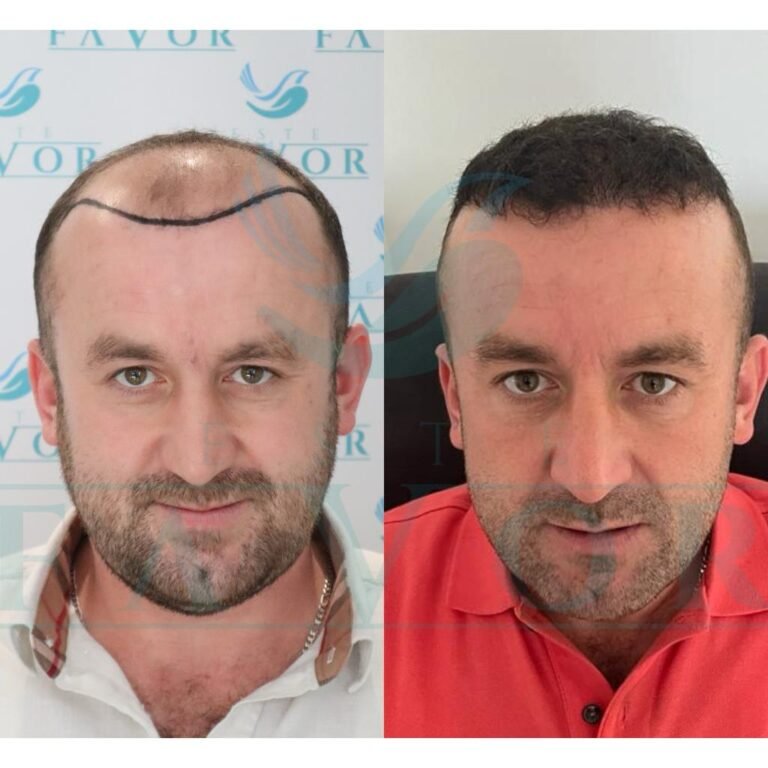
Many patients obsess over scab removal, viewing these crusts as unsightly obstacles preventing their return to normal social activities. This anxiety sometimes drives premature attempts to accelerate scab shedding through aggressive washing or even manual picking—actions that can seriously damage grafts and compromise the permanent results you’ve invested in achieving. The reality is that scabs follow a predictable biological timeline that cannot be meaningfully rushed without risk, but can be optimally managed through proper technique. Leading hair transplant in Turkey clinics have refined protocols that maximize patient comfort while ensuring scab removal occurs naturally at the safest possible pace for graft security and healing quality.
This comprehensive guide explains everything about hair transplant scabs—their biological purpose, the timeline for natural detachment, differences between FUE and DHI scabbing patterns, safe removal techniques, what’s normal versus concerning, and how to minimize scarring while protecting your investment. Whether you’re planning your procedure and researching what to expect, or currently in recovery wondering if your scabs are behaving normally, this detailed information provides the clarity you need.
Understanding Hair Transplant Scabs: Biology and Purpose
Before addressing removal timing and techniques, understanding why scabs form and what biological functions they serve helps you appreciate their importance rather than viewing them simply as nuisances to eliminate.
The Scab Formation Process
Scabbing begins immediately after graft implantation. When the surgeon creates recipient sites and places follicular units, minor bleeding occurs from the tiny incisions. Blood cells, plasma proteins, and platelets accumulate around each implanted graft, forming a protective seal. As this blood and fluid mixture is exposed to air, it oxidizes and dries, creating the crusty scabs visible within hours of your procedure.
The scab composition includes dried blood, lymphatic fluid, plasma proteins, dead skin cells, and residual surgical fluids. This combination creates a protective barrier over the vulnerable implanted follicle while the tissue underneath begins the healing process. The scab essentially functions as nature’s bandage, protecting the graft from bacterial invasion, physical disruption, and environmental exposure during the critical early days when the follicle is establishing its new blood supply.
The size and appearance of individual scabs vary based on several factors—the size of the recipient site created, whether any minor bleeding occurred during implantation, the punch size used for extraction, and your individual healing characteristics. Typically, scabs measure 1-3mm in diameter and appear as small dark brown or reddish-brown crusts surrounding each visible hair shaft.
Why Scabs Are Essential for Healing
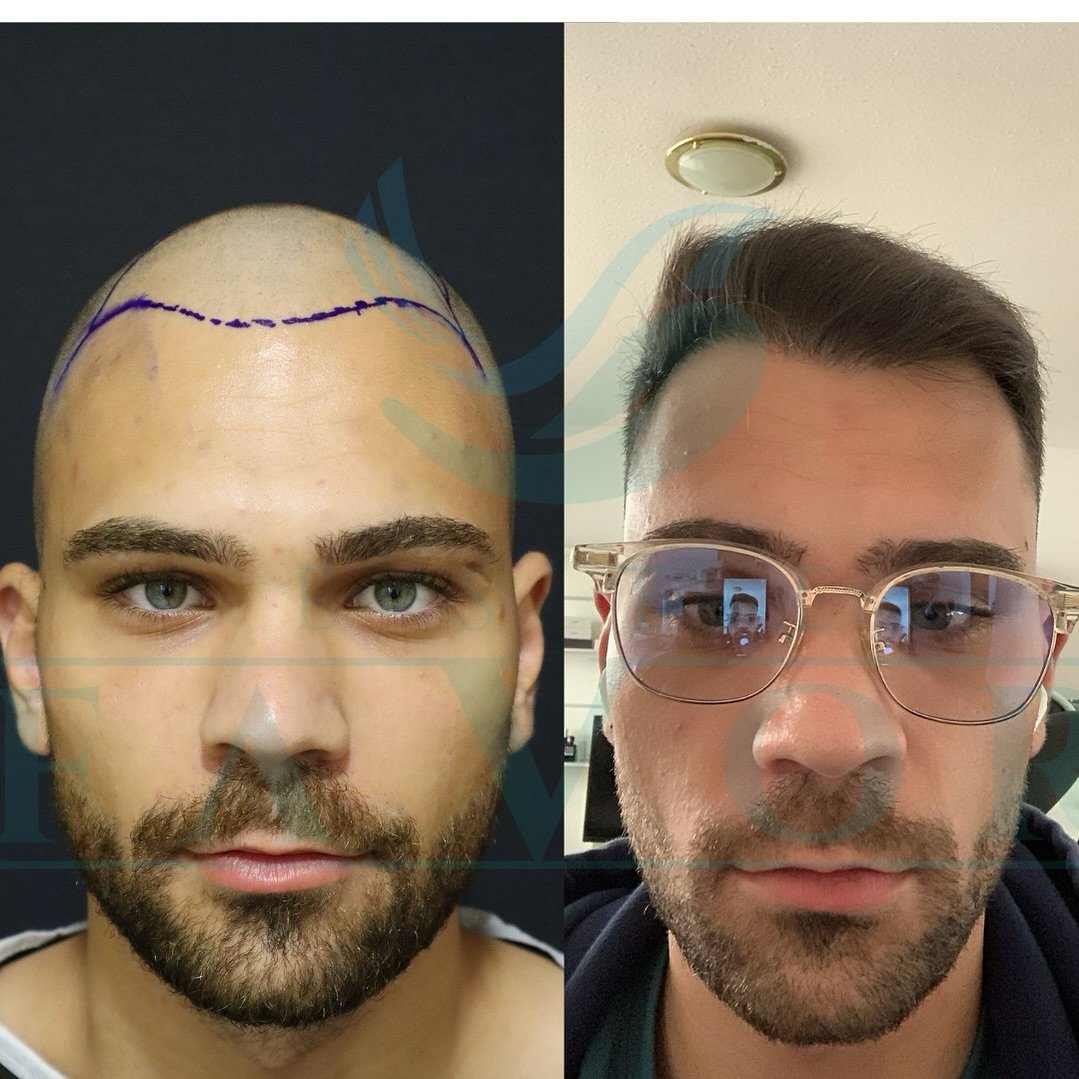
Despite being aesthetically undesirable, scabs serve critical protective functions that directly impact your final results. The crusty barrier prevents bacteria and contaminants from entering the healing wound, significantly reducing infection risk. This protection is especially important during the first 5-7 days when the graft-skin interface hasn’t fully sealed.
Scabs also provide physical stability to newly implanted grafts. During days 1-5, grafts remain somewhat vulnerable to dislodgement from direct pressure or friction. The scab creates a protective cap that buffers the follicle from minor contacts or movements that might otherwise disturb its position. This stabilization function becomes less critical after day 5-7 when the follicle has established sufficient anchoring.
The moist environment beneath the scab promotes optimal healing conditions. While the outer surface is dry and crusty, the tissue directly contacting the wound remains slightly moist, facilitating cellular migration and tissue repair. This balance between external protection and internal moisture creates ideal wound healing conditions.
FUE vs. DHI Scabbing Differences
The FUE hair transplant pain is minimal, and FUE scabbing follows a predictable pattern. FUE techniques create recipient sites first using blades or needles, then place grafts into these pre-made channels. This two-step process typically produces moderate scabbing with relatively uniform scab sizes across the recipient area.
DHI (Direct Hair Implantation) creates the channel and places the graft simultaneously using the Choi implanter pen. This single-step process often results in slightly smaller scabs because the incision exactly matches the graft size with minimal surrounding trauma. Some patients report that DHI scabs appear less prominent and may shed marginally faster, though the differences are modest rather than dramatic.
Sapphire FUE, using ultra-sharp sapphire crystal blades, creates very precise, clean incisions that may produce slightly smaller, neater scabs compared to traditional steel blade FUE. However, all techniques ultimately form protective scabs that serve identical functions and require similar careful management for optimal removal.
The Scab Timeline: When Do They Fall Off?
Understanding the natural scab lifecycle helps set realistic expectations and prevents anxiety about whether your healing is progressing normally.
Days 1-3: Scab Formation and Hardening
Scabs begin forming immediately post-procedure but aren’t fully developed until 12-24 hours later. During your first night and the following day, the crusts progressively harden as the blood-lymph mixture completely dries. By day 2-3, scabs have reached their maximum thickness and hardness—this represents peak crusty appearance that gradually improves from this point forward.
The recipient area during days 1-3 shows widespread redness with each graft surrounded by a distinct dark scab. The overall appearance is admittedly dramatic—the precise grid pattern of implanted grafts becomes very obvious with each marked by a dark crust. This is the phase patients find most aesthetically challenging and when anxiety about “when will these fall off?” peaks.
The donor area also forms scabs around each FUE extraction site, though these are typically smaller and less noticeable than recipient area scabs. If you had FUT, the donor incision forms a linear scab that’s concealed by the surgical dressing initially and then by surrounding hair once the dressing is removed.
During this formation phase, your primary job is protection—avoid any activity that could dislodge scabs prematurely. The grafts beneath these protective crusts are at their most vulnerable during days 1-3, and premature scab removal could dislodge follicles, resulting in permanent loss of those grafts.
Days 4-7: Softening Begins
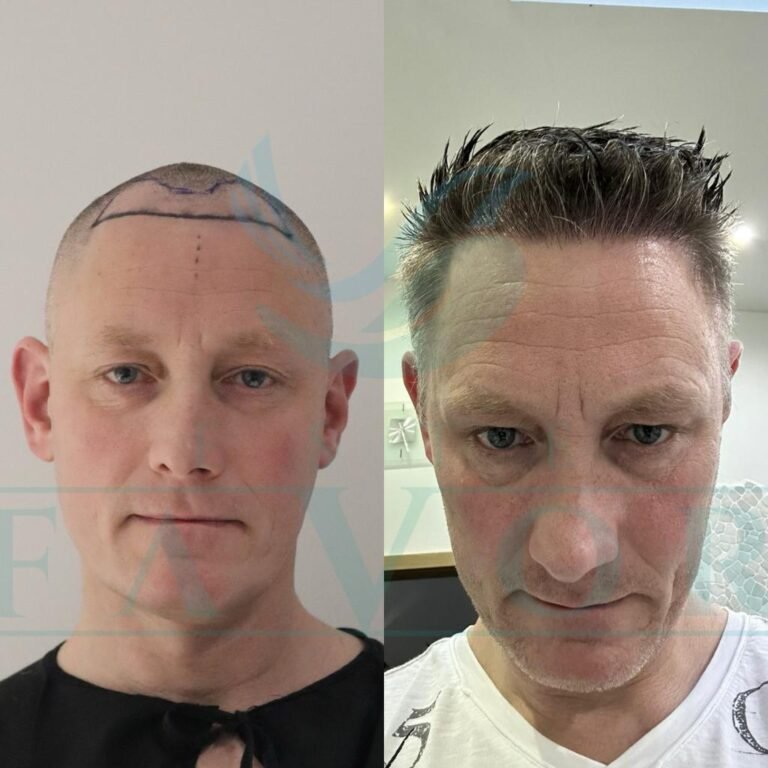
Around day 4-5, you’ll notice scabs beginning to soften around the edges. The hard, crusty texture becomes slightly more pliable, and the color may lighten from dark brown toward lighter tan or yellowish hues. This softening represents the beginning of the natural detachment process as the tissue underneath heals and the scab’s protective function becomes less critical.
During your twice-daily washing sessions starting around day 3-4, you’ll begin noticing tiny scab fragments detaching around the periphery of each crust. A few complete scabs may detach during washing, leaving clean pink skin underneath with the hair shaft still in place. This early shedding is completely normal and doesn’t indicate any problem—it simply means those particular grafts are healing slightly faster than others.
By day 7, many patients have cleared approximately 20-40% of their scabs naturally through gentle washing. However, the majority typically remain attached, continuing to soften and prepare for detachment over the coming days. The best hair transplant clinic in Turkey facilities emphasize patience during this phase—while some scabs are ready to detach, forcing removal of those that remain firmly attached risks damaging the healing tissue underneath.
The recipient area’s appearance improves noticeably during days 4-7 as redness fades and scabs begin diminishing. While still obviously post-surgical, the dramatic appearance of days 1-3 softens considerably. Many patients begin feeling comfortable wearing loose hats to venture into public for essential activities by day 5-7.
Days 8-12: Major Scab Shedding
Days 8-12 represent the primary scab shedding window when the majority detach naturally. During your washing sessions, you’ll notice increasing numbers of scabs loosening and washing away. By day 10-12, most patients have cleared 70-90% of recipient area scabs, with only scattered remnants remaining in areas that healed slightly slower.
This accelerated shedding occurs because the tissue underneath has sufficiently healed that the protective barrier is no longer needed. The biological signals that initially triggered scab formation and maintained its attachment are now reversed, actively promoting detachment as part of the normal healing progression.
Don’t be alarmed by the quantity of scabs detaching during this phase—it’s completely normal to see dozens washing down the drain during each washing session. The appearance can be unsettling at first, but remember this is the expected outcome you’ve been waiting for. Underneath each detached scab, you’ll find healthy pink or slightly red skin with the hair shaft still visible—this is exactly what successful healing looks like.
Some grafts in the recipient area may shed their hair shaft along with the scab. This is the beginning of the normal “shock loss” or telogen shedding phase where transplanted hair shafts fall out while the follicles remain secure beneath the skin. Don’t panic when you see hairs coming out with scabs—the follicles are staying in place and will begin new growth cycles in 8-12 weeks.
Days 13-21: Final Stragglers
By days 13-14, the vast majority of scabs have detached in most patients. However, scattered individual scabs or small clusters may persist in certain areas—often around the hairline where grafts are most densely packed, or in regions that experienced more bleeding during the procedure. These stragglers are nothing to worry about; they’ll continue softening and will detach naturally over the next week.
By day 21, essentially all scabs should be gone in normally healing patients. If you still have significant scabbing beyond three weeks, contact your clinic for evaluation, as this could indicate excessively dry conditions, infection, or other factors impeding normal healing that may benefit from intervention.
The donor area scabs typically follow a similar timeline, usually clearing slightly faster than recipient area scabs due to better blood supply in untreated tissue. By day 14-21, the donor area should appear completely clear of scabs with extraction sites barely visible as tiny pink dots.
Safe Scab Removal Techniques
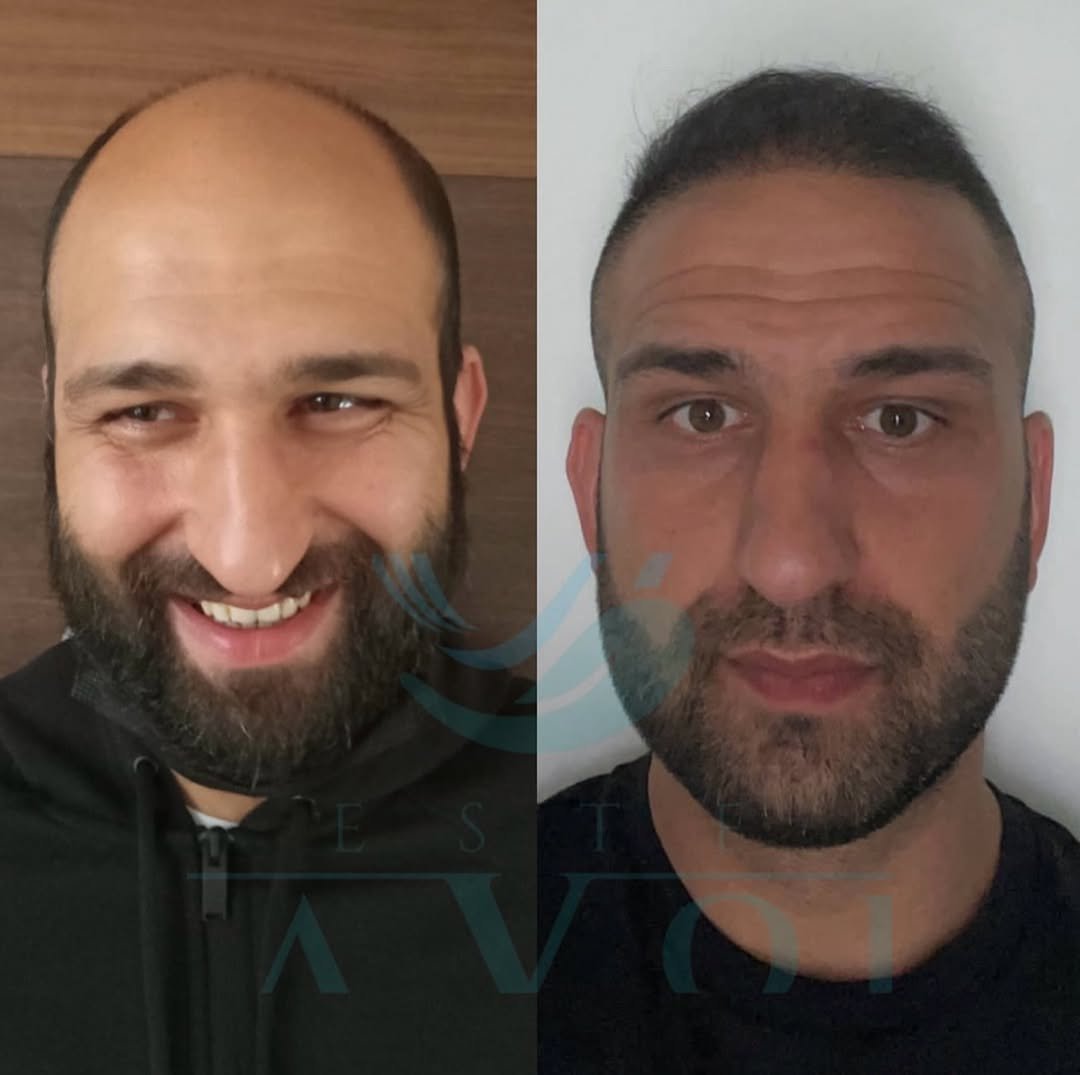
The most important thing you can do for your scabs is essentially nothing—let them detach naturally through gentle washing rather than attempting to accelerate the process. However, proper washing technique significantly influences how comfortably and completely scabs shed during their natural timeline.
The Gentle Washing Protocol
Proper washing begins around day 2-3 post-procedure, continuing twice daily until all scabs have cleared. The technique involves applying a small amount of medical or baby shampoo diluted with water directly to the recipient area. Use your fingertips (not nails) in extremely gentle circular motions, applying almost no pressure—think of it as barely touching the scalp while moving your fingers in small circles.
This gentle motion softens scabs and helps separate those that are ready to detach from the healing tissue underneath, while leaving firmly attached scabs in place. The key is patience and gentleness—you’re not scrubbing to force removal, you’re simply providing gentle mechanical assistance to scabs that are already biologically ready to detach.
Rinsing requires equal care. Never direct shower pressure straight onto the recipient area during the first week. Instead, use a spray bottle or cup to pour water gently over the area, letting it flow across rather than pounding down onto grafts. After week one, you can gradually introduce gentle shower flow, but still avoid direct high-pressure streams for the first 2-3 weeks.
Pat the area dry with a clean towel using pressing motions rather than rubbing. Rubbing creates friction that could prematurely dislodge scabs or irritate healing tissue. Simply press the towel against the scalp gently to absorb excess water, then allow air drying to complete the process.
The Moistening Technique
Between washing sessions, keeping scabs slightly moist helps them soften and promotes comfortable natural detachment. Your clinic will provide a spray bottle—use it to lightly mist the recipient area every 2-3 hours during the first week. This prevents scabs from becoming excessively hard and crusty, which can make them more likely to catch on things and potentially detach prematurely taking grafts with them.
The moistening also reduces itching, which becomes increasingly noticeable during days 4-10 as healing progresses. Dry, hard scabs tend to cause more intense itching sensations. Keeping the area slightly moistened provides itch relief and makes the recovery more comfortable overall, which reduces the temptation to scratch—a temptation you must absolutely resist.
Some clinics provide specialized healing sprays or lotions for application after washing. These products typically contain ingredients that promote healing, reduce inflammation, and keep scabs soft. Follow your clinic’s specific instructions regarding any provided products, as protocols vary between facilities.
What NOT to Do
Never pick at scabs manually, no matter how tempting it becomes. Even scabs that appear very loose should be allowed to detach during washing rather than being pulled off with your fingers. Manual picking risks pulling scabs off before the tissue underneath has adequately healed, which can damage the follicle, increase scarring, or in worst cases, dislodge the graft entirely.
Don’t use harsh shampoos, especially those containing sulfates, fragrances, or other potentially irritating ingredients during the first 2-3 weeks. Stick to the medical shampoo provided by your clinic or gentle baby shampoo. These mild formulations clean effectively without irritating healing tissue or interfering with the scab detachment process.
Avoid excessive sun exposure during the scabbing phase. UV radiation can dry scabs excessively and irritate healing tissue. If you must be outdoors, wear a loose hat that doesn’t press directly on scabs. Most clinics at hair transplant in Istanbul facilities provide surgical caps that offer sun protection without contacting the recipient area directly.
Don’t submerge your head in swimming pools, hot tubs, or ocean water until all scabs have cleared and your surgeon approves. Chlorinated water, salt water, and the bacteria present in natural water sources can irritate healing tissue and potentially cause infection. Similarly, avoid saunas and steam rooms during the scabbing phase, as excessive heat and moisture can interfere with normal healing.
Factors That Influence Scab Duration
While the timeline presented above represents typical patterns, several factors cause individual variation in how quickly scabs form and shed.
Individual Healing Characteristics
Some people simply heal faster than others due to genetic factors influencing tissue repair rates, immune system efficiency, and collagen production. These individual healing differences can cause one patient’s scabs to clear by day 8-10 while another patient with an identical procedure doesn’t achieve complete clearance until day 14-16.
Age influences healing speed, with younger patients typically healing slightly faster than older patients due to more robust cellular regeneration capacity. However, the difference is modest—a 25-year-old might clear scabs a day or two faster than a 45-year-old, not dramatically faster.
Overall health status impacts healing significantly. Patients with excellent cardiovascular health, good nutrition, and no systemic conditions heal optimally. Conditions like diabetes, autoimmune disorders, or circulatory problems can slow healing and extend scab duration. Smoking profoundly impairs healing—smokers typically show delayed scab shedding and increased complications compared to non-smokers.
Procedure-Specific Factors
Larger procedures with higher graft counts often show slightly extended scab duration simply because there’s more total healing that must occur. A 4,000-graft procedure might take 1-2 days longer for complete scab clearance compared to a 1,500-graft procedure, though the difference isn’t dramatic.
The precision of graft placement influences scabbing. Grafts placed at optimal depth with minimal surrounding trauma tend to form smaller scabs that shed more quickly. Grafts placed slightly too deep or shallow, or with more tissue trauma during insertion, may form larger scabs that persist longer. This is why surgeon skill and technique refinement matter—experienced surgeons at facilities offering hair transplant Turkey cost advantages deliver precise placement that optimizes healing.
Dense packing in areas like the hairline where grafts are placed very close together sometimes results in slightly delayed scab shedding in those regions compared to less densely packed areas. The reduced space between grafts means more cumulative inflammation in a concentrated area, which can marginally extend healing time.
Aftercare Compliance
How meticulously you follow aftercare instructions substantially impacts scab timeline. Patients who perform gentle washing twice daily from day 2-3 onward typically achieve faster, more comfortable scab removal than those who skip washings or wash less frequently due to fear of disturbing grafts.
Adequate moistening between washings prevents excessive scab hardening, promoting easier natural detachment. Patients who neglect moistening often develop harder, more adherent scabs that take longer to shed and cause more discomfort during the process.
Sleeping elevated, avoiding activities that cause sweating, and protecting from sun exposure all contribute to optimal healing conditions that promote timely scab shedding. Patients who return to strenuous activity too soon, sleep flat, or neglect sun protection often show delayed healing and extended scab duration.
Environmental Conditions
Climate and environmental humidity influence scab behavior. Very dry climates or indoor heating that reduces humidity can cause scabs to become excessively dry and hard, making them adhere more firmly and shed more slowly. Using a humidifier in your bedroom during recovery can help maintain optimal moisture levels that promote comfortable scab softening.
Conversely, excessively humid conditions or situations causing persistent moisture (heavy sweating from activity or heat) can interfere with normal scab formation and healing. The ideal environment is moderate humidity with comfortable temperatures that don’t induce sweating.
Special Considerations for Different Hair Types
Hair characteristics and afro hair transplant Turkey procedures require consideration of how texture and follicle structure might influence scabbing patterns.
Afro-Textured Hair Scabbing
Afro-textured hair’s curved follicle structure requires specialized extraction and implantation angles. The unique approach sometimes results in slightly different scabbing patterns, though the overall timeline remains similar. The larger diameter of afro hair means individual scabs may appear slightly larger, but they serve the same protective function and follow similar shedding timelines.
The tight curl pattern can make scabs more visible initially since the hair doesn’t lie as flat against the scalp. However, once growth resumes several months later, the natural volume of afro-textured hair provides excellent coverage and camouflages any minor residual marks exceptionally well.
Patients with afro hair should follow identical washing protocols—gentle circular motions, adequate moistening, and patient waiting for natural detachment. The curved follicle structure doesn’t require any special scab management techniques, though some clinics recommend slightly more frequent moistening to account for the larger scab size.
Fine vs. Coarse Hair Considerations
Fine hair typically results in smaller scabs because the follicular units themselves are smaller and the punch tools used are proportionally smaller (typically 0.6-0.7mm for fine hair vs. 0.8-0.9mm for coarse hair). These smaller scabs often shed marginally faster, with some fine-haired patients achieving near-complete clearance by day 8-9.
Coarse hair’s larger diameter and the correspondingly larger extraction punches create slightly larger scabs. The healing timeline remains similar, but the larger crusts may be marginally more noticeable and take an extra day or two to completely shed. However, the difference is modest enough that it shouldn’t significantly influence expectations.
The key factor regardless of hair type is following proper gentle washing technique and allowing natural biological timelines to proceed without attempting to force acceleration through aggressive manipulation.
Complications and Problem Scabbing
While most scab formation and shedding proceeds normally, certain warning signs indicate potential problems requiring professional attention.
Excessive or Prolonged Scabbing
If significant scabbing persists beyond day 21-25, or if scabs appear to be increasing in size rather than shrinking, this warrants evaluation. Prolonged scabbing might indicate infection, excessive dryness, inadequate washing, or rarely, individual healing issues requiring intervention.
Very thick, crusty scabs that seem much larger than the pin-point size typical of normal healing could suggest excessive bleeding during the procedure, infection, or over-manipulation. Contact your clinic for assessment if you notice individual scabs significantly larger than surrounding ones or growing rather than shrinking.
Signs of Infection Under Scabs
Scabs that become increasingly painful rather than less painful over time, develop surrounding redness that spreads outward, feel warm to touch, or develop pus underneath require immediate attention. While infection is uncommon with proper sterile technique and prophylactic antibiotics, it can occur and needs prompt treatment.
Foul odor emanating from scabs, greenish or yellowish discharge, or fever accompanying your recovery all suggest possible infection. Don’t attempt to treat this yourself—contact your clinic immediately for evaluation and likely antibiotic therapy.
Premature Scab Loss With Bleeding
If scabs detach prematurely—particularly during the first 5 days—and leave behind actively bleeding sites, this could indicate that the follicle was disrupted or dislodged. Minor pink spotting underneath a detached scab is normal, but active red bleeding suggests more significant trauma.
Apply gentle pressure with clean gauze for 5-10 minutes. If bleeding doesn’t stop, or if you observe what appears to be follicular tissue rather than just a hair shaft, contact your clinic. While occasional early scab loss usually doesn’t compromise results, patterns of multiple early detachments with bleeding warrant professional assessment.
Excessive Itching or Allergic Reactions
While moderate itching during days 4-10 is normal healing sensation, intense unbearable itching, or itching accompanied by rash-like appearance could indicate allergic reaction to medications, shampoos, or topical products. Antihistamines usually manage normal healing itch, but allergic reactions may require different intervention.
Swelling that worsens after day 3-4 rather than improving, hives, or difficulty breathing obviously require emergency attention. These severe reactions are extremely rare but represent medical emergencies requiring immediate treatment.
Long-Term Considerations: Scarring and Permanent Marks
Once scabs have cleared, most patients show completely clear scalps within 4-6 weeks with no permanent marks. However, understanding what’s normal long-term helps distinguish successful healing from potential complications.
Normal Post-Scab Appearance
After scabs detach, the recipient area appears pink or slightly red where each graft was placed. These pink dots gradually fade over 3-8 weeks, eventually becoming completely invisible in the vast majority of patients. By 8-12 weeks post-procedure, the scalp surface should appear completely normal with no visible marks except for the visible pattern of shorter hair in transplanted areas awaiting growth.
The donor area follows similar progression. FUE extraction sites appear as tiny pink dots after scabs clear, fading to completely invisible within 6-12 weeks in most patients. FUT linear scars appear pink initially but mature to thin white lines over 6-12 months, ultimately becoming barely visible when concealed by hair as short as 1-2 inches.
Some patients show slightly longer-lasting pinkness, particularly those with very fair skin where color changes are more noticeable. However, even in these patients, the pink marks should progressively fade rather than remaining static or darkening.
White Dots or Hypopigmentation
Small white dots where grafts were placed occasionally develop in some patients, representing minor hypopigmentation (loss of skin color) at those specific points. These are typically only visible upon very close examination and don’t impact overall appearance significantly, especially once hair growth resumes and provides coverage.
True hypopigmented white dots are more common in patients with darker skin tones where the contrast is more noticeable. They represent minor disruption to melanocytes (pigment cells) during the healing process. While permanent, they’re usually so small and scattered that they’re not aesthetically concerning.
Preventing white dots involves extremely gentle scab management—allowing natural detachment without any forceful removal that could damage healing tissue more than necessary. The surgical technique also influences this, with very precise, minimal-trauma graft placement reducing hypopigmentation risk.
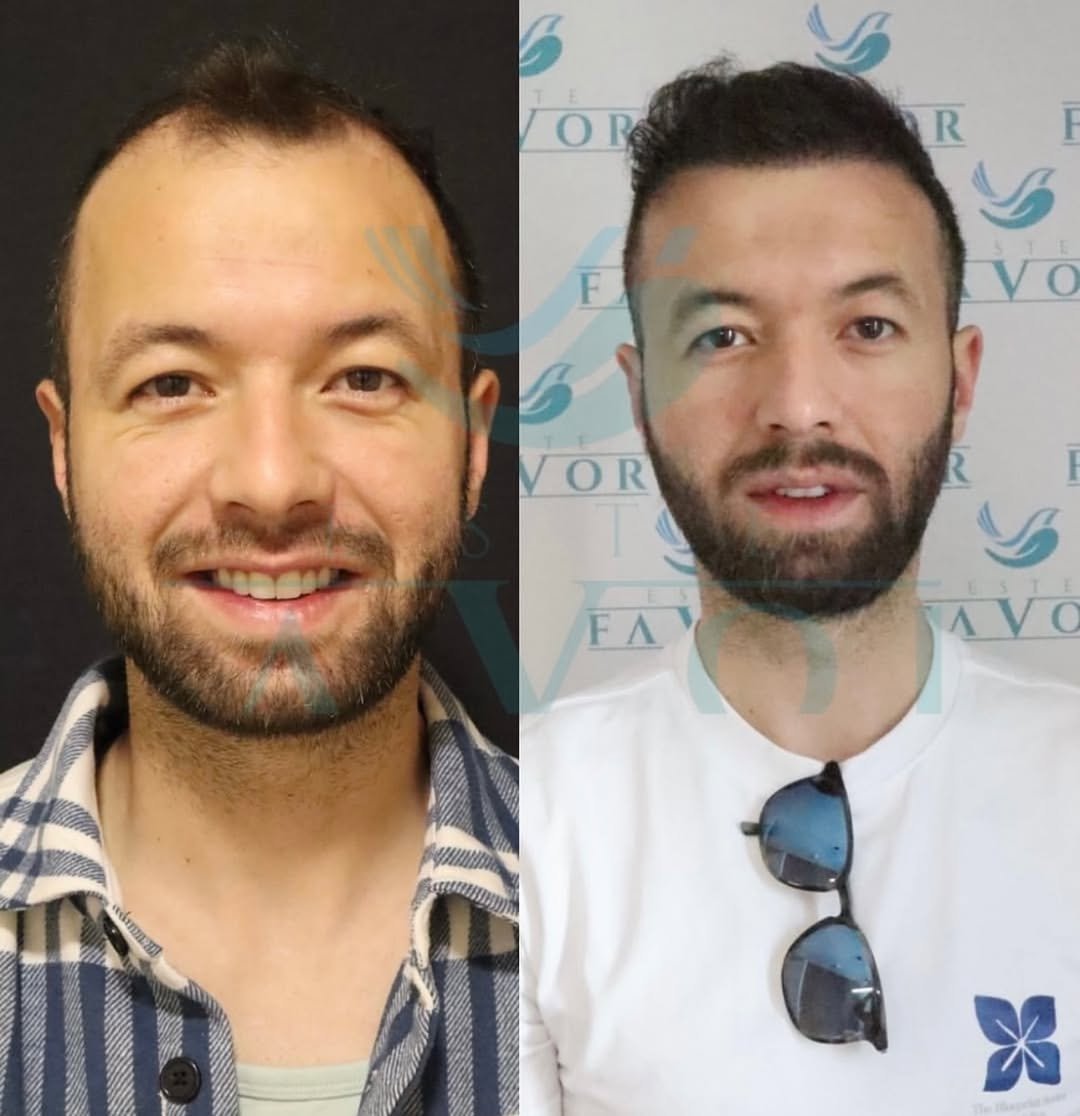
When to Worry About Scarring
Raised, thickened scars (hypertrophic scars or keloids) at recipient sites are very rare but do occasionally occur in individuals with genetic predisposition to abnormal scar formation. If you notice raised, firm areas developing where scabs have cleared, particularly if they continue growing over weeks rather than flattening, consult your surgeon about scar management options.
Widespread scarring, particularly if accompanied by poor hair growth, might indicate overly aggressive graft packing that compromised blood supply and healing. While rare with experienced surgeons, this complication requires professional evaluation to determine whether corrective procedures are possible.
The hair transplant in Turkey facilities with strong reputations maintain very low complication rates through refined technique, appropriate graft density planning, and comprehensive patient support that catches potential problems early when interventions are most effective.
Psychological Aspects of the Scabbing Phase
The scabbing period represents one of the most psychologically challenging phases of recovery for many patients, warranting discussion of the mental and emotional aspects beyond just the physical healing.
Social Anxiety and Isolation
Many patients feel self-conscious about their appearance during the scabbing phase, leading to social withdrawal. This is completely understandable—the scabbed appearance is obviously post-surgical and draws attention. However, remember this is temporary, typically lasting only 10-14 days at its most visible.
Plan your procedure timing to accommodate this social break if possible. Scheduling surgery before vacation time, holiday periods, or natural work breaks allows recovery without pressure to return to public-facing situations before you feel ready. Many patients successfully navigate this with strategic hat usage beginning around day 5-7 for necessary public appearances.
The Temptation to Pick
The combination of visible scabs, itching sensations, and the desire to speed up the timeline creates powerful temptation to pick at scabs manually. This temptation intensifies during days 5-9 when scabs begin softening and some start naturally detaching, making it seem like you could “help” the process along.
Resist this temptation absolutely. Remind yourself that each scab you prematurely remove risks damaging the expensive graft underneath—potentially thousands of dollars of investment per graft. The money, time, and discomfort you’ve invested in your procedure deserve protection through a few more days of patience.
Managing Expectations During Detachment
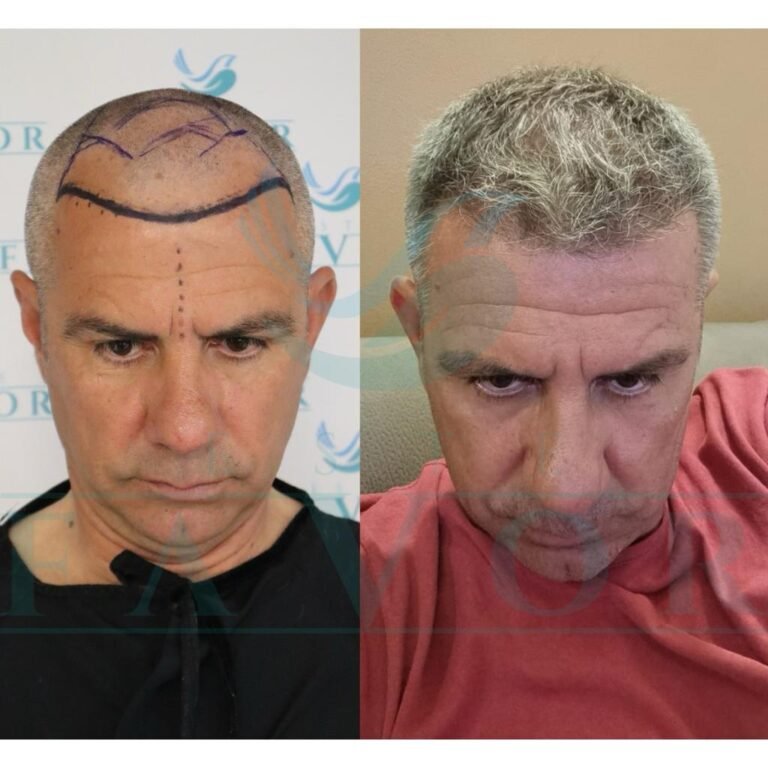
Some patients feel disappointed when scabs clear and reveal sparse-looking recipient areas because the transplanted hair shafts begin shedding around the same time. Understanding that this “empty” appearance is temporary and expected helps manage this psychological letdown.
The scab clearance represents successful completion of one phase—the critical early healing—but not the final result. You’re simply transitioning from the protection phase to the waiting phase before growth begins. Both phases require patience, but the scab phase demands active careful management while the growth phase simply requires waiting.
Conclusion
Understanding hair transplant scabs and their natural timeline transforms these protective crusts from mysterious nuisances into recognized allies in your healing process. While aesthetically undesirable and socially inconvenient, scabs serve essential protective functions during the critical first 10-14 days when your grafts are establishing their permanent positions and developing blood supply connections.
The golden rule for scab management is simple: gentle patience wins. Twice-daily washing with ultra-gentle technique, adequate moistening between sessions, absolute avoidance of manual picking, and trust in the biological timeline produces optimal results. Attempting to accelerate the process through aggressive manipulation risks compromising the permanent results you’ve invested time, money, and discomfort in achieving.
The typical timeline sees scab formation peak around days 2-3, softening beginning days 4-7, major shedding during days 8-12, and complete clearance by days 14-21. Individual variation around this timeline is normal and expected—focus on the trend of progressive improvement rather than comparing your day-by-day progress to other patients’ experiences. The comprehensive support provided by reputable facilities offering best hair transplant clinic in Turkey services ensures you have professional guidance throughout the scabbing phase, with experienced staff available to answer questions and address any concerns that arise.
By approaching scab management with informed patience, gentle technique, and realistic expectations, you protect your investment and ensure optimal healing that provides the foundation for the natural, permanent results you’ll enjoy throughout your lifetime. Contact Este Favor today to learn more about their refined aftercare protocols and comprehensive support systems that guide patients successfully through every phase of recovery, ensuring your scabs heal optimally and your results exceed expectations.