
You’ve probably heard people with curly hair complain about frizz, definition, and product struggles. Meanwhile, you’re over here with your Type 1 hair thinking, “At least my hair is easy to manage.” But is it really?
If you’ve ever wondered why your hair goes limp by lunchtime, why volume seems impossible to achieve, or why every styling attempt falls flat (literally), you’re not alone. Straight hair comes with its own set of challenges that often get overlooked. And if you’re dealing with thinning or hair loss, understanding your hair type becomes even more critical—especially when considering solutions like hair transplants.
Let’s break down what Type 1 hair actually means, why it behaves the way it does, and what you can do about it.
The Truth About Having Straight Hair
Here’s something most people don’t realize: not all straight hair is created equal. Just because your hair doesn’t curl doesn’t mean it’s the same as everyone else’s straight hair.
Type 1 hair is characterized by its completely straight texture from root to tip. The reason? Your hair follicles are perfectly round and symmetrical. This shape produces hair shafts that grow straight out without any bend, wave, or curl pattern. While this gives you that sleek, shiny look everyone envies, it also means your hair has some very specific behaviors.
The structure of straight hair allows natural oils (sebum) from your scalp to travel down the hair shaft faster than in wavy or curly hair. This is why your hair looks glossy—but also why it can look greasy within 24 hours of washing. The oil has nowhere to hide.
Not All Straight Hair Is the Same: Meet 1A, 1B, and 1C
The hair typing system breaks Type 1 hair into three subcategories. Knowing which one you have changes everything about how you should care for it.
Hair Type 1A: The Rarest and Most Delicate
If you have Type 1A hair, you’re part of an exclusive club. This is the finest, thinnest, most fragile straight hair type out there. Your strands lie completely flat against your scalp with zero body or volume. You’ve probably tried every volumizing product on the market, only to have your hair fall flat within an hour.
The good news? Your hair is naturally shiny and smooth. The bad news? It’s prone to breakage, struggles to hold any style, and gets oily faster than you can say “dry shampoo.”
Hair Type 1B: The Goldilocks Zone
Type 1B is the most common straight hair type. You have slightly more body than 1A, and if you look closely, there might be a subtle bend or wave to your strands—though not enough to call it wavy hair.
This hair type is more forgiving when it comes to styling and can hold products better than 1A. However, you still deal with the greasiness issue, and building lasting volume requires effort and the right techniques.
Hair Type 1C: Straight Hair with Attitude
Type 1C is the thickest, coarsest type of straight hair. You have noticeable body and volume, and in humid weather, your hair might even develop some natural waves. Sounds perfect, right?
Not quite. The thickness that gives you volume also makes your roots look flat by comparison. Plus, you’re more prone to frizz than other straight hair types. Your hair has personality—sometimes a little too much.
The Volume Problem for Hair Type 1 (And Why It’s Not Your Fault)
Let’s address the elephant in the room: achieving volume with Type 1 hair feels like defying gravity.
The reason straight hair struggles with volume comes down to physics. When your hair is completely straight, strands naturally lie close together and flat against your scalp. There’s no texture or curl to create space between individual hairs. Add in the weight of natural oils traveling down from your roots, and you’ve got a recipe for flatness.
For Type 1A hair especially, even the weight of the hair itself pulls it down. You could use every volumizing product on the shelf, and by afternoon, your hair has surrendered to gravity.
What Actually Works for Volume

Forget everything you’ve tried that didn’t work. Here’s what actually makes a difference:
Root-focused products are non-negotiable. Apply volumizing spray or mousse directly to your roots on damp hair, then blow-dry while lifting sections away from your scalp. The key is creating lift at the root before your hair dries.
Dry shampoo isn’t just for oil absorption. When applied to roots (even on clean hair), it creates texture and grip that helps hair stand away from your scalp. Apply it the night before for best results.
Strategic layering in your haircut matters more than you think. Long, blunt cuts make fine straight hair look thinner. Subtle layers starting below the chin create movement and the illusion of fuller hair without sacrificing length.
Velcro rollers are your secret weapon. Place them at your crown after blow-drying while hair is still warm. Leave them in for 10-15 minutes. The volume lasts all day.
The Grease Factor: Why Your Hair Gets Oily So Fast
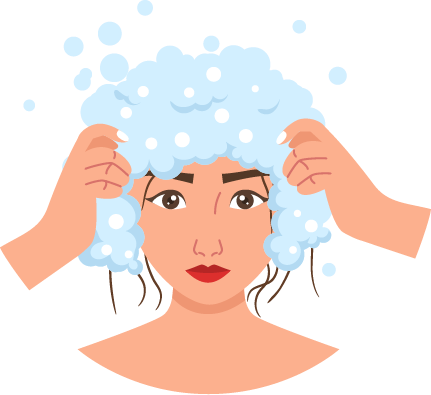
If you feel like you just washed your hair yesterday but it already looks greasy today, your hair type is the culprit.
Remember how straight hair allows oils to travel down the shaft easily? This is both a blessing and a curse. The same mechanism that gives you shine also means oil distributes quickly, making your hair look greasy faster than curly or wavy hair types.
Type 1A and 1B hair show oil most noticeably because the fine texture doesn’t hide it. Type 1C hair can go slightly longer between washes, but not by much.
Managing Oiliness Without Over-Washing
Washing your hair every day strips your scalp of natural oils, which signals your sebaceous glands to produce even more oil. It’s a vicious cycle.
Instead, try washing every other day or every two days. Use dry shampoo strategically on non-wash days. Focus shampoo application on your scalp and roots only—this is where oil accumulates. Your lengths don’t need shampooing every time.
When you do wash, use lukewarm (not hot) water. Hot water stimulates oil production. Finish with a cold rinse to seal the hair cuticle and add shine.
Keep conditioner away from your roots. Apply it only from mid-length to ends. Better yet, use a lightweight leave-in conditioner on just the ends to avoid any heaviness near your scalp.
When Straight Hair Starts Thinning: What You Need to Know

Hair loss doesn’t discriminate by hair type, but how it shows up in Type 1 hair can be particularly noticeable. Because straight hair lies flat and has less texture to create the illusion of fullness, thinning becomes visible earlier than it might with curlier textures.
If you’re noticing more scalp visibility, wider part lines, or decreased density, you’re not imagining it. The good news? Straight hair responds exceptionally well to modern hair restoration techniques.
Why Type 1 Hair Is Actually Ideal for Hair Transplants
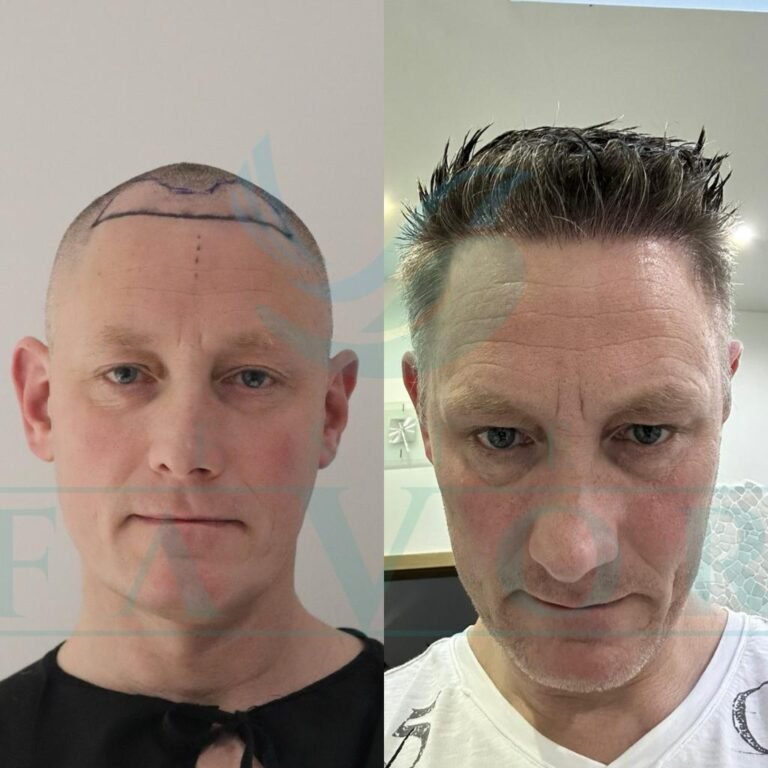
If you’ve been researching hair transplant in Turkey or considering restoration options, here’s something important: straight hair has significant advantages in transplant procedures.
The structure of straight hair follicles makes them easier to extract compared to curly or coily hair. Because the follicles are straight and the hair exits the scalp at a predictable angle, surgeons can extract grafts with higher precision and lower risk of damage.
This translates to better graft survival rates—often exceeding 95% in experienced hands. For you as a patient, that means more of your transplanted hair successfully takes root and grows.
The implantation phase is also more straightforward with straight hair. Surgeons can create incredibly natural-looking hairlines because the hair will grow exactly as placed, without unpredictable curl patterns to account for.
FUE vs DHI: Which Technique Works Best for Straight Hair?
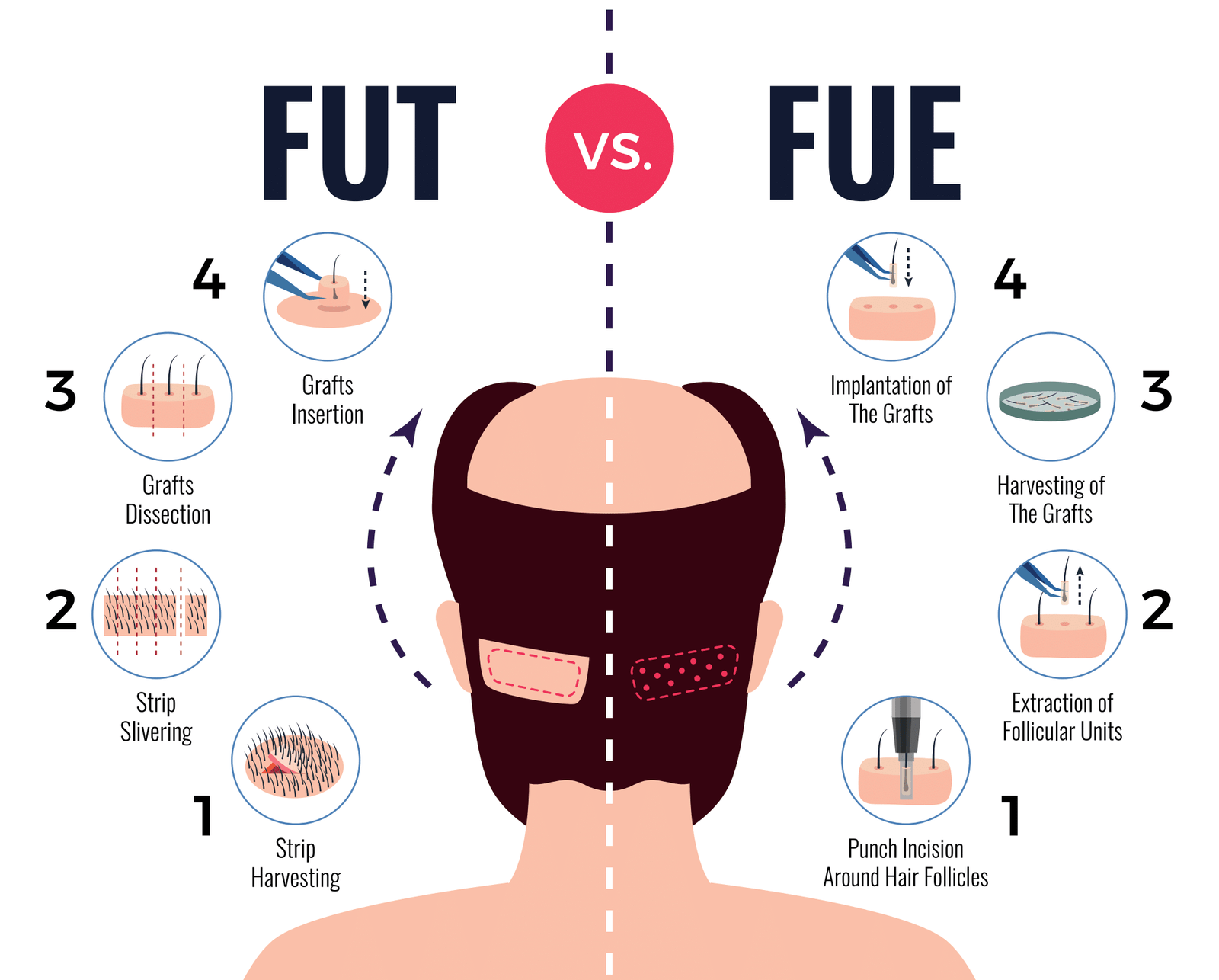
Modern hair restoration uses two primary techniques: Follicular Unit Extraction (FUE) and Direct Hair Implantation (DHI). Both work excellently for Type 1 hair, but they have different approaches.
FUE: The Proven Standard
FUE involves extracting individual hair follicles from your donor area (usually the back of your head) using a tiny punch tool less than 1mm in diameter. These follicles are then stored in a special solution before being implanted into pre-made channels in the recipient area, a method commonly performed at some of the hair transplant in Turkey best clinics known for their advanced technology and high success rates.
For straight hair, FUE is highly effective because the straight follicles extract cleanly with minimal trauma. The procedure leaves tiny dot scars that heal quickly and remain virtually invisible, even with short hairstyles.
DHI: Precision Technology
DHI takes the FUE technique a step further by using a specialized Choi Implanter Pen. This advanced device simultaneously creates the recipient site and places the graft, removing the need to pre-make channels.
Originally developed for straight hair types, DHI has been especially popular among patients with Type 1 hair. The method allows surgeons to control the angle, depth, and direction of each implanted follicle with exceptional precision.
For Type 1 hair transplant in Turkey, DHI offers a distinct advantage: the extracted follicles spend less time outside the body, which can improve survival rates and enhance natural growth. Additionally, it allows implantation between existing hairs without the need for a full shave—making it an ideal option for those seeking a more discreet hair transplant in Turkey experience.
Sapphire FUE: The Latest Evolution
Sapphire FUE is an advanced technique that uses blades made from genuine sapphire crystals instead of traditional steel to create recipient sites. These ultra-sharp and smooth blades enable more precise incisions, minimizing tissue trauma during the procedure.
For Type 1 hair transplant in Turkey, this precision translates into faster healing, reduced scarring, and the ability to achieve higher graft density—ideal for patients with straight hair who desire a natural and refined look. The exceptional accuracy of sapphire blades is especially valuable for designing and reconstructing hairlines, where every follicle placement plays a crucial role in creating realistic results.
Many of the best hair transplant clinics in Turkey specialize in Sapphire FUE, combining advanced technology with experienced surgical teams to deliver outstanding outcomes for all hair types, particularly Type 1.
Why Turkey Has Become the Go-To Destination
You’ve probably seen ads for hair transplant in Istanbul all over social media. There’s a reason Turkey dominates the medical tourism industry for hair restoration.
Turkish surgeons perform more hair transplants than anywhere else in the world—over one million procedures annually. This volume creates expertise you simply can’t find elsewhere. Surgeons who perform multiple procedures daily develop a level of skill and efficiency that takes decades to achieve in lower-volume practices.
The infrastructure supporting hair transplant tourism in Istanbul is incredibly sophisticated. Clinics offer all-inclusive packages covering the procedure, accommodation, airport transfers, medications, and interpreter services. You arrive, get treated, and leave without worrying about logistics.
But the real game-changer? Cost. A high-quality hair transplant in Turkey typically costs between $1,500 and $4,000, compared to $15,000–$25,000 in the US or UK. This dramatic difference in hair transplant Turkey cost allows patients to receive the same—often superior—quality of care and results at a fraction of the price.
What Makes Este Favor Different
When researching clinics for your hair transplant in Turkey, you’ll quickly realize there are hundreds of options. Este Favor Clinic stands out for several reasons that matter specifically if you have Type 1 hair.
The surgeons at Este Favor have extensive experience with straight hair transplants. They understand the unique characteristics of straight follicles and adjust their extraction and implantation techniques accordingly. This isn’t a one-size-fits-all approach.
The clinic uses both advanced FUE and DHI hair transplant techniques with sapphire blade technology. This combination allows them to customize the procedure to your specific hair type, loss pattern, and aesthetic goals.
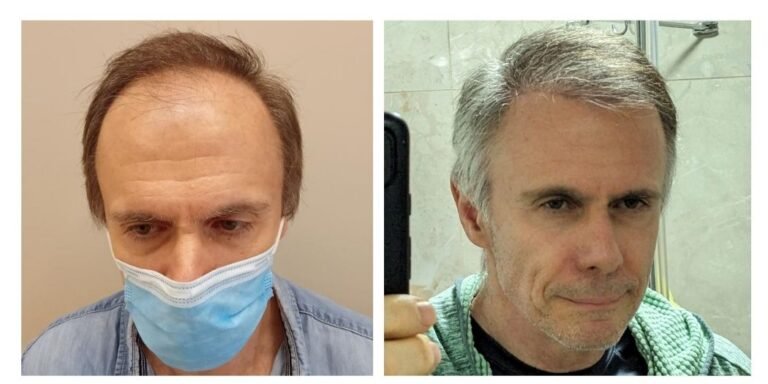
What really sets Este Favor apart is the attention to hairline design. Creating a natural-looking hairline isn’t just about placing grafts—it’s an art. The surgeons account for your facial structure, age-appropriate hairline position, and the way straight hair naturally grows. The result? A hairline that looks like it’s always been there.
The clinic’s all-inclusive packages eliminate surprise costs. Your hair transplant costs in Turkey cover everything: consultation, procedure, post-op care, medications, accommodation, and transfers. No hidden fees, no unexpected charges.
What to Expect During Recovery
The first 48 hours after your transplant are critical. You’ll need to sleep semi-upright to minimize swelling and avoid touching the transplanted area. Most patients experience minimal discomfort—this isn’t a painful procedure.
Gentle washing begins around day three. Este Favor provides specialized shampoo and detailed instructions for that first wash. You’ll use extremely light pressure and lukewarm water.
Around weeks two to four, you’ll notice the transplanted hairs falling out. Don’t panic—this is called shock loss and it’s completely normal. The follicles remain intact under your skin and will start producing new hair within a few months.
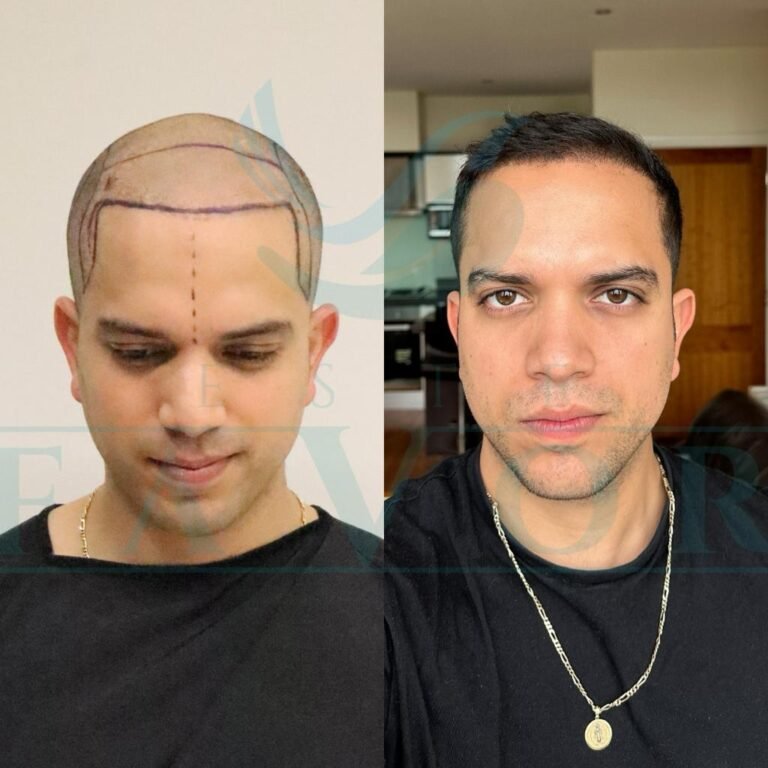
New growth becomes visible around month three. Because you have straight hair, you’ll likely notice regrowth earlier than someone with curly hair—straight strands are simply more visible as they emerge.
By month six, you’ll have significant coverage. By twelve to eighteen months, you’ll see your final results with full density and natural blending with your existing hair.
Taking Care of Your Straight Hair Long-Term
Whether you’ve had a transplant or simply want to maintain the hair you have, long-term care matters.
Avoid tight hairstyles that create tension on your roots. This traction can lead to further hair loss, particularly along your hairline and temples. If you tie your hair back, use soft scrunchies and vary where you place the ponytail.
Protect your hair from heat damage by always using a heat protectant before styling and keeping tools at moderate temperatures. Your straight hair might handle heat better than curly hair, but repeated exposure still causes cumulative damage.
Nutrition plays a bigger role than most people realize. Hair is primarily protein, so ensure adequate protein intake. Iron deficiency is a common cause of hair loss, especially in women. B vitamins, particularly biotin, support healthy hair growth.
The Bottom Line on Type 1 Hair
Straight hair isn’t as low-maintenance as people assume. Between managing oil, creating volume, and dealing with thinning, Type 1 hair presents unique challenges that require specific solutions.
But here’s the advantage: when you understand your hair type and work with rather than against its natural characteristics, you can achieve great results. Whether that means finding the right volumizing routine or considering advanced restoration options, knowledge is power.
If hair loss is your concern, Type 1 hair gives you an advantage in transplant procedures. The combination of straight follicle structure, advanced techniques like DHI and Sapphire FUE, and expertise available at clinics like Este Favor in Istanbul means you can achieve natural-looking, permanent results.
Your straight hair might not be as simple as it looks, but with the right approach, it can look exactly how you want it to.