
Understanding your hair texture is the first step toward achieving healthy, vibrant curls. Type 3 curly hair represents one of the most distinctive and sought-after curl patterns, characterized by well-defined spirals that range from loose ringlets to tight corkscrews. Whether you’re embracing your natural texture or considering restoration options, this comprehensive guide explores everything you need to know about type 3 curls.
For individuals experiencing hair loss with curly hair, modern hair restoration techniques offer remarkable solutions. Turkey, particularly Istanbul, has emerged as a global leader in specialized curly hair transplantation, combining expertise with affordability.
What is Type 3 Curly Hair?
Type 3 hair falls within the curly hair spectrum, sitting between wavy (type 2) and coily (type 4) textures. This hair type features distinct S-shaped curl patterns that form spiral curls ranging from loose loops to springy corkscrews. The defining characteristic of type 3 curly hair texture is its ability to maintain curl definition naturally without styling products, though it requires specific care to prevent frizz and dryness.
The structure of curly hair follicles differs significantly from straight hair. Type 3 hair grows from oval-shaped follicles that create the signature curl pattern, with each strand forming spirals from root to tip. This unique structure affects how natural oils travel down the hair shaft, making proper moisture management essential for maintaining healthy curls.
Type 3A Hair Characteristics
Type 3A represents the loosest category within the type 3 spectrum. These curls feature large, well-defined spirals approximately the circumference of sidewalk chalk. The S-shaped pattern is loose and bouncy, creating curls that are relatively easy to manage compared to tighter curl patterns.
Individuals with 3A curly hair typically experience fine to medium hair texture with good shine. The curls hold their shape well but can lose definition when weighed down by heavy products. This subtype is prone to becoming flat at the roots, requiring volumizing techniques to maintain lift and body throughout the day.
Type 3B Hair Features
Type 3B hair consists of tighter ringlets with a circumference similar to a large marker. These spiral curls are more voluminous and densely packed than 3A curls, creating significant body and texture. Many people with this hair type have a combination of curl patterns, with 3A and 3B curls appearing throughout their hair.
The density and high porosity of 3B curls mean they require substantial moisture to stay healthy. These curls are more prone to frizz and shrinkage than looser curl patterns, but they also provide excellent volume and definition when properly maintained with appropriate hair care products.
Type 3C Curl Pattern
Type 3C represents the tightest and most densely packed curls within the type 3 category. These corkscrews have a circumference similar to a pencil or chopstick, creating tightly wound curl clumps that transform into coils. This hair type often fascinates people with its spring-like texture and effortless volume.
Due to the tight curl pattern, 3C hair may appear to grow more slowly than other types, as the curls wind around multiple times before showing visible length. This hair type requires the most intensive moisture treatments and benefits significantly from protective styling and strong-hold products to maintain definition.
Common Challenges for Type 3 Curly Hair
Moisture and Hydration Issues
The curved structure of curly hair follicles creates a significant challenge: natural scalp oils struggle to travel down the spiral pattern to reach the ends. This biological reality makes type 3 hair naturally prone to dryness, particularly at the mid-lengths and ends. Without proper hydration, curls become brittle, lose their bounce, and develop excessive frizz.
Managing moisture levels requires a balanced approach. Over-moisturizing can weigh curls down, creating a flat, greasy appearance. Under-moisturizing leads to breakage, split ends, and that frustrating “crunchy” texture. Finding the sweet spot depends on your specific hair porosity and density.
Frizz Management
Frizz represents one of the most common frustrations for people with type 3 curly hair. The raised cuticle structure of curly hair makes it particularly susceptible to humidity and environmental factors. Unlike straight hair, where cuticles lie flat and reflect light smoothly, curly hair cuticles remain slightly open, allowing moisture penetration that disrupts curl patterns.
Environmental humidity, friction from cotton pillowcases, and improper drying techniques all contribute to frizz. Understanding these triggers helps develop effective strategies to maintain smooth, defined curls throughout the day.
Shrinkage and Length Retention
Type 3 curls can shrink significantly when wet or styled, sometimes appearing 50-70% shorter than their actual length. This natural shrinkage often creates misconceptions about growth rates. The hair is growing normally, but the tight curl pattern causes it to wind around itself, concealing true length.
This characteristic becomes particularly relevant when considering hair restoration procedures, as surgeons must account for curl behavior when designing hairlines and determining graft placement for natural-looking results.
Detangling Difficulties
The interlocking nature of type 3 curls makes them prone to tangling, especially when dry. Aggressive brushing or combing can cause significant breakage, damage curl patterns, and create frizz. Proper detangling requires patience, the right tools, and appropriate products to minimize damage while maintaining curl integrity.
Essential Care Routine for Type 3 Curly Hair
Maintaining gorgeous type 3 curls doesn’t have to be complicated. The key is understanding what your curls need and giving them the right care at the right time.
Smart Cleansing Strategy
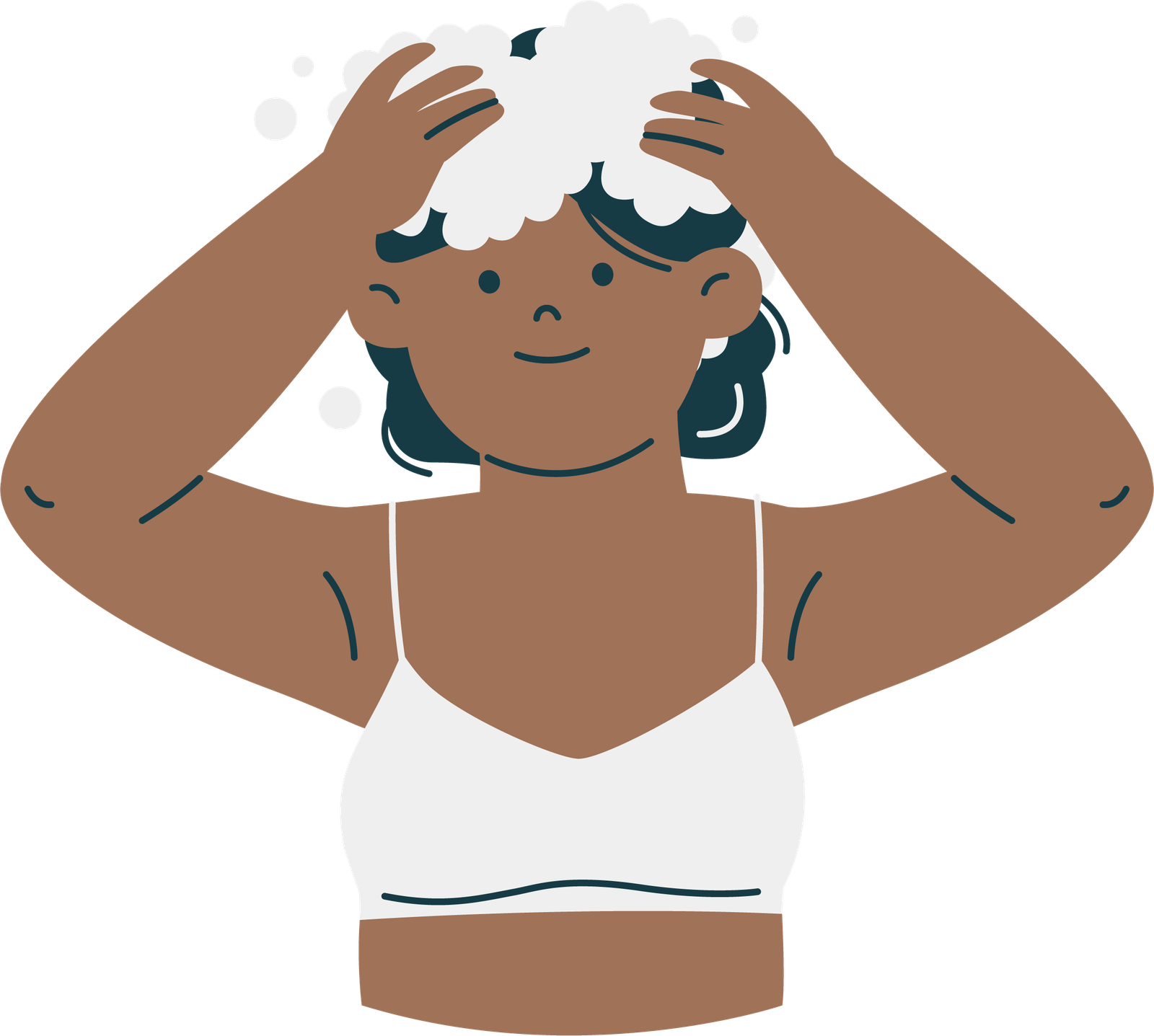
Traditional shampoos with sulfates are the enemy of curly hair—they strip away natural oils and leave your curls feeling like straw. Switch to sulfate-free options that cleanse gently without destroying your hair’s moisture barrier. Here’s the game-changer: you don’t need to wash your curls every day. In fact, overwashing causes more harm than good.
Most people with type 3 hair find their sweet spot washing every 2-3 days, though some stretch it to once weekly. Listen to your scalp—it’ll tell you what it needs. Between washes, try co-washing (cleansing with conditioner only) to refresh your curls while adding moisture. Just be mindful of product buildup and do a proper cleanse when needed.
Moisture is Everything
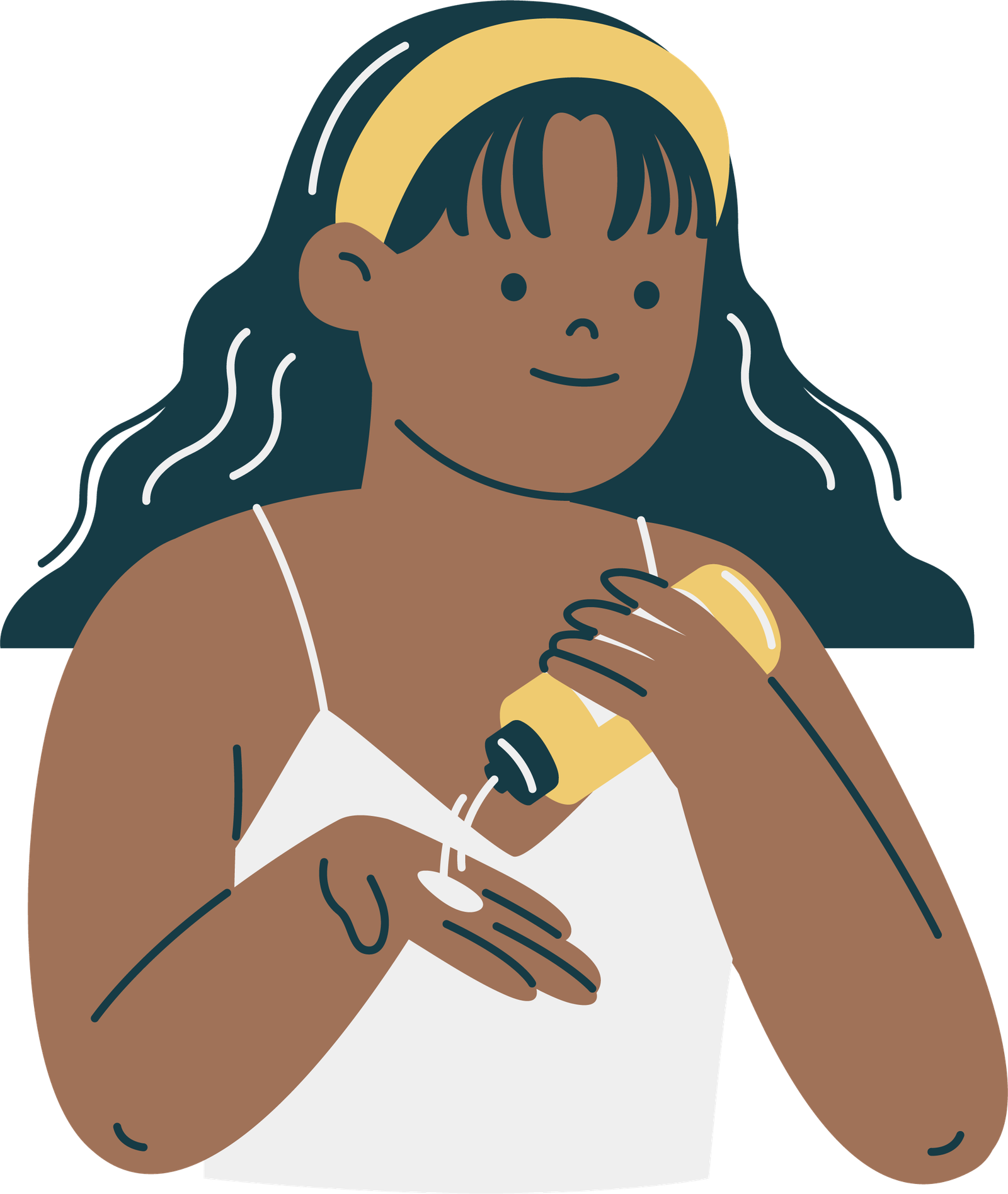
Think of deep conditioning as a weekly spa day for your curls. These intensive treatments repair damage and strengthen your hair from the inside out, focusing on those thirsty mid-lengths and ends where dryness loves to hide.
Want an extra boost? Pre-shampoo treatments work wonders. Massage coconut oil or a rich hair mask into your curls 20-30 minutes before washing. This creates a protective barrier that locks in moisture even during the cleansing process.
Product Layering That Works
Your curl type determines your product strategy. Got loose 3A spirals? Keep it light with airy mousses and thin serums. Rocking tighter 3B or 3C corkscrews? Rich creams and strong-hold gels are your friends.

Start with a leave-in conditioner as your base layer—this provides all-day hydration. Follow with a curl-defining cream to enhance your natural pattern, then seal everything with a light gel for hold and frizz control. The secret? Apply products to soaking wet hair and scrunch gently to encourage curl formation.
Nighttime Protection
Your bedtime routine can make or break your morning. Cotton pillowcases create friction that equals frizz city. Upgrade to silk or satin to keep your curls smooth and moisturized while you sleep. Can’t switch pillowcases? A silk bonnet works just as well.
Try the pineappling technique: gather your curls loosely at the top of your head with a scrunchie. This protects your curl pattern and maintains volume overnight. Come morning, you’ll just need a quick refresh instead of a complete restyle.
Hair Loss in Type 3 Curly Hair
Common Causes of Curly Hair Loss
Hair loss affects individuals with all hair types, but those with type 3 curly hair face unique challenges. Androgenetic alopecia, commonly known as male or female pattern baldness, represents the most prevalent cause of permanent hair loss. This hereditary condition affects hair follicles progressively, causing gradual thinning and eventual baldness in characteristic patterns.
Traction alopecia poses a particular risk for individuals with curly hair who regularly wear tight hairstyles. Braids, cornrows, tight ponytails, and buns pull continuously on hair roots, causing damage that can become permanent if the tension persists over extended periods. This condition often affects the hairline and temples most significantly.
Hormonal imbalances, stress, nutritional deficiencies, and various medical conditions can also trigger hair loss in people with type 3 curls. Identifying the underlying cause is essential for determining the most appropriate treatment approach.
Hair Transplant Solutions for Type 3 Curly Hair
Is Hair Transplantation Possible for Curly Hair?
Absolutely. Modern hair transplant techniques successfully address hair loss in individuals with all curl patterns, including type 3 hair. However, curly hair transplantation requires specialized expertise and careful technique due to the unique structure of curved hair follicles.
The spiral shape of type 3 hair follicles extends well into the root, making extraction and implantation more technically demanding than working with straight hair. Surgeons must carefully assess follicle curvature and adjust their approach accordingly to minimize damage and maximize graft survival rates.
Advanced Techniques for Curly Hair Transplants
Follicular Unit Extraction (FUE) represents the preferred method for most curly hair transplant procedures. This technique extracts individual follicular units using precise punch tools, typically ranging from 0.7mm to 1.0mm in diameter. For type 3 curly hair, surgeons often use specialized punches designed to accommodate curved follicle structures.
The Sapphire FUE technique, utilizing blades made from sapphire crystal, provides enhanced precision when creating recipient sites. These ultra-sharp instruments create smaller, more precise channels, reducing tissue trauma and promoting faster healing with minimal scarring.
Direct Hair Implantation (DHI) offers another excellent option for curly hair transplants. This method uses specialized Choi implanter pens that allow simultaneous channel creation and graft placement, reducing the time grafts spend outside the body and potentially improving survival rates.
Advantages of Curly Hair Transplants
Type 3 curly hair offers unique benefits in hair transplantation despite its complexity.
- Higher Visual Density: Curly follicles cover more space, giving the illusion of thicker hair.
- Fewer Grafts Needed: About 20–30% fewer grafts are required compared to straight hair for similar fullness.
- Natural Volume Effect: Each curl adds three-dimensional body, enhancing overall density.
- Cost-Effective Results: Fewer grafts mean reduced procedure time and expense.
- Superior Aesthetics: The natural curl pattern creates softer, fuller-looking results with minimal graft use.
Recovery and Timeline
The recovery process for curly hair transplants follows similar timelines to other hair types, though some aspects require special attention. Initial growth becomes visible within 3-4 months, with significant results appearing around 9-12 months post-procedure. Full results typically manifest after 12-18 months as transplanted follicles fully mature and establish their natural curl pattern.
Some patients notice temporary texture changes in newly transplanted hair, with grafts initially growing straighter or with altered curl patterns. This typically normalizes within 10-12 months as follicles fully recover and resume their natural growth characteristics.
Why Choose Turkey for Curly Hair Transplantation
World-Class Expertise in Istanbul
Turkey, particularly Istanbul, has become the global center for hair transplant procedures, known for outstanding results and high success rates. Every year, hundreds of thousands of hair restoration operations are performed, giving Turkish surgeons extensive experience in all hair types, including the demanding type 3 curly hair transplant.
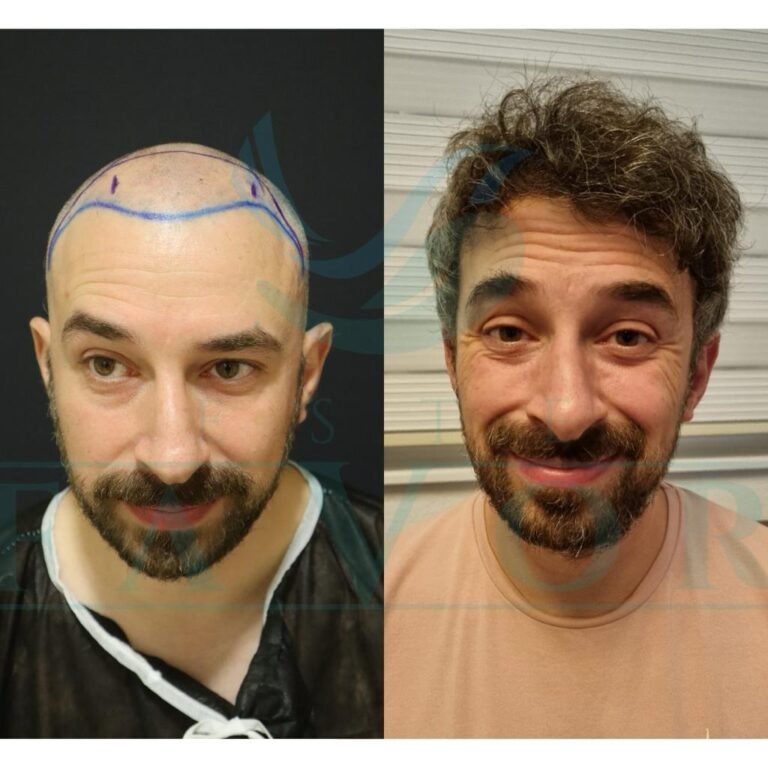
The large concentration of specialized hair transplant clinics in Istanbul creates a strong competitive environment that encourages innovation and maintains strict quality standards. Many Turkish hair transplant surgeons have completed international training and regularly attend global hair restoration conferences, staying updated with the latest FUE, DHI, and Sapphire hair transplant techniques.
Hair transplant clinics in Turkey are now recognized worldwide for combining advanced medical technology, expert craftsmanship, and affordable prices, making Istanbul the most popular destination for hair transplant in Turkey.
Affordable Type 3 Curly Hair Transplant Costs in Turkey
One of the most compelling reasons to consider hair transplant in Turkey is the remarkable cost advantage. Hair transplant costs in Turkey range from $1,500 to $4,500 for comprehensive procedures, representing savings of 70-80% compared to equivalent treatments in the United States, United Kingdom, or other Western countries.
These affordable prices don’t reflect lower quality but rather result from favorable currency exchange rates, lower operational costs, and government support for medical tourism. Turkish clinics maintain international standards while offering prices that make hair restoration accessible to far more people.
All-Inclusive Hair Transplant Packages
Most reputable clinics in Turkey offer all-inclusive packages in Turkey for hair transplant procedures that simplify the entire process for international patients. These comprehensive packages typically include accommodation, airport transfers, medical consultations, the surgery itself, and post-operative care, ensuring a smooth and stress-free experience from arrival to recovery.
- Complete hair transplant procedure with specified technique (FUE, Sapphire FUE, or DHI hair transplant comparison)
- Pre-operative consultations and hair analysis
- All necessary medications and post-operative care products
- Airport VIP transfers (arrival and departure)
- Hotel accommodation (typically 3-4 nights in quality hotels)
- Medical translator services throughout your stay
- Follow-up consultations and long-term support
This all-inclusive approach eliminates unexpected expenses and logistical concerns, allowing patients to focus entirely on their treatment and recovery.
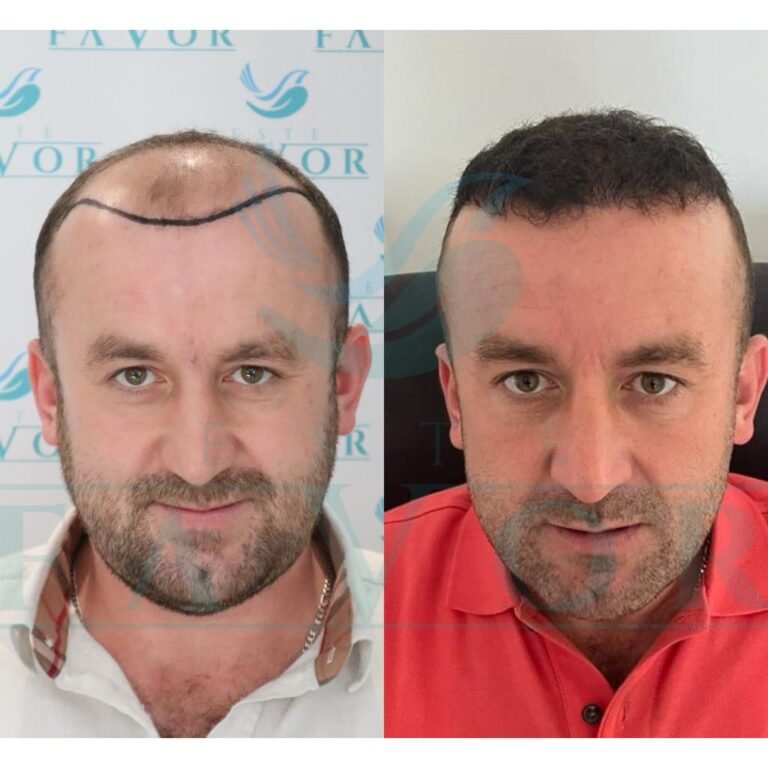
Este Favor Clinic: Excellence in Curly Hair Transplantation
When considering hair transplant in Istanbul, selecting the right clinic is paramount. Este Favor Clinic represents the gold standard in curly hair transplantation, combining technical expertise with personalized patient care and transparent pricing.
The clinic’s specialized approach to type 3 curly hair transplants addresses the unique challenges of curved follicle extraction and implantation. Surgeons at Este Favor utilize advanced Sapphire FUE and DHI techniques specifically adapted for curly hair structures, ensuring maximum graft survival rates and natural-looking results.
International patients choosing Este Favor benefit from:
- Specialized Expertise: Surgeons trained specifically in curly and coily hair transplantation techniques, understanding the nuances of working with curved follicle structures.
- Advanced Technology: State-of-the-art equipment including high-precision microscopes, specialized punch tools for curly hair, and climate-controlled graft storage systems that maximize follicle viability.
- Personalized Treatment Plans: Comprehensive pre-operative analysis to determine optimal graft numbers, donor area assessment, and hairline design that complements your natural curl pattern.
- Transparent Pricing: Clear, upfront pricing with no hidden costs. Este Favor’s all-inclusive packages ensure you know exactly what your investment includes before making any commitment.
- Long-term Support: Continued follow-up care and consultation even after returning home, with dedicated support teams available to address questions or concerns throughout your recovery journey.
Hair Transplant in Turkey vs. Other Countries
Understanding the cost differential helps explain why so many people choose Turkey for their hair restoration journey. A typical 3,000-4,000 graft procedure costs:
- United States: $12,000 – $18,000
- United Kingdom: $8,000 – $12,000
- Germany: $7,000 – $11,000
- Turkey (Istanbul): $2,000 – $4,500
These dramatic savings, combined with vacation opportunities in Istanbul’s rich cultural environment, make hair transplant costs in Turkey unmatched globally. Even after accounting for international travel expenses, patients typically save thousands of dollars while receiving world-class care.
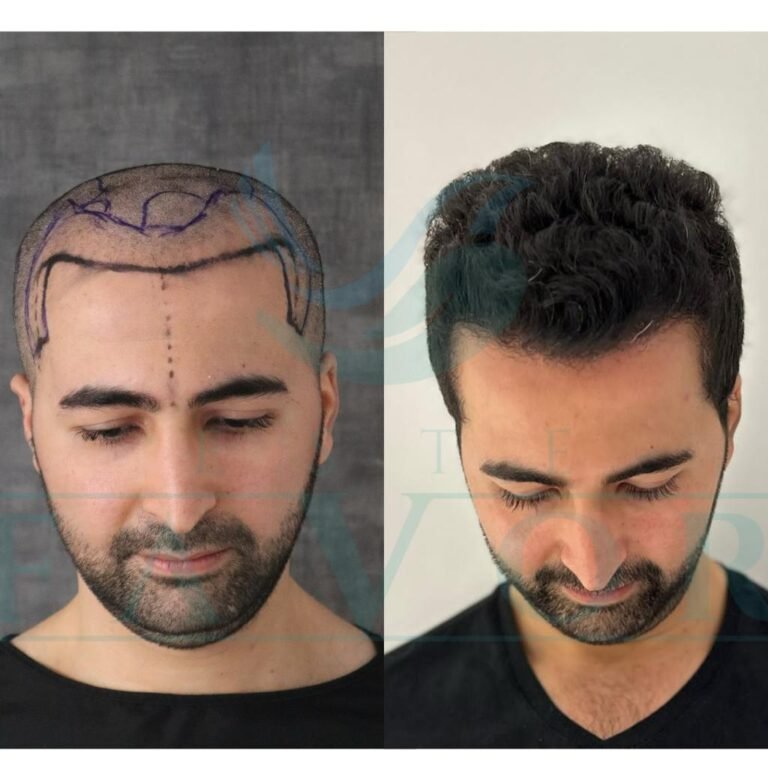
Preparing for Your Curly Hair Transplant Journey
Initial Consultation and Planning
The process starts with an in-depth consultation, either in person or online. Surgeons analyze your hair loss pattern, donor area density, and curl type to create a personalized plan.
For type 3 curly hair, the focus is on curl consistency, follicle shape, and graft needs—factors that influence how surgeons choose techniques and placement for the most natural results.
Pre-Operative Preparations
Proper preparation ensures better healing and graft survival:
- Avoid blood-thinning medications, alcohol, and smoking a week before surgery.
- Keep the scalp clean and healthy; avoid harsh treatments.
- Light scalp massages may be suggested to improve circulation.
During the Procedure
Curly hair transplants typically take 6–8 hours under local anesthesia.
Surgeons use specialized tools to safely extract curved follicles and place them with precision, considering curl direction and growth angles for seamless, natural-looking density.
Post-Operative Care for Curly Hair Transplant in Turkey
Following your procedure, proper aftercare significantly impacts final results. The first 10-14 days are most critical for graft survival and healing:
Avoiding touching or scratching the transplanted area prevents dislodging grafts before they establish blood supply. Sleeping with your head elevated on a travel pillow minimizes swelling and protects the recipient area.
Gentle washing typically begins 48-72 hours post-procedure, using specialized shampoos and careful techniques. For curly hair patients, this is especially important as aggressive manipulation can damage both transplanted and existing curls.
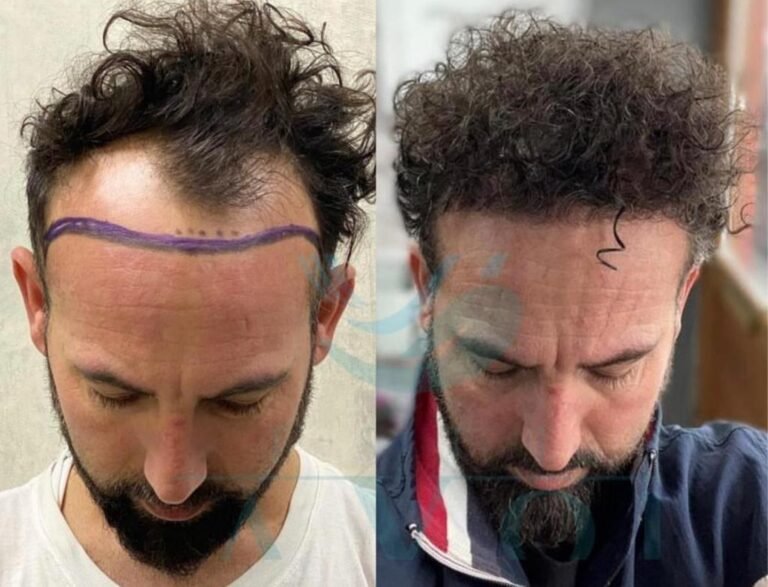
Expected Results for Type 3 Curly Hair
Type 3 curly hair patients often achieve fuller, more natural-looking results with fewer grafts.
- 2–4 weeks: Temporary shedding (normal phase).
- 3–4 months: New growth begins.
- 6 months: Noticeable improvement.
- 12–18 months: Final, mature curls identical to natural hair.
Maintaining Restored Curls
After healing, transplanted curls need the same care as natural hair:
- Use sulfate-free cleansers and deep conditioners.
- Apply suitable curl creams and gels for definition.
- Clinics like Este Favor often provide follow-up care and guidance for maintenance.
Managing Future Hair Loss
Transplantation restores existing bald areas but doesn’t stop future thinning.
- Maintain healthy habits, manage stress, and consider preventive treatments.
- Periodic touch-up sessions may be needed to preserve overall density.
Making Your Decision
Choosing to undergo hair transplantation represents a significant investment in yourself—both financially and emotionally. For individuals with type 3 curly hair experiencing hair loss, modern techniques offer remarkable restoration possibilities with natural-looking results.
Istanbul’s position as the global leader in hair transplantation, combined with the specialized expertise available at clinics like Este Favor, provides an optimal combination of quality, affordability, and comprehensive care. The dramatic cost savings of hair transplant in Turkey make this life-changing procedure accessible to far more people than ever before.
If you’re considering hair restoration for your type 3 curls, thorough research and consultation with experienced specialists will help you make an informed decision. Understanding your options, setting realistic expectations, and choosing the right clinic are essential steps toward achieving the full, healthy curls you desire.
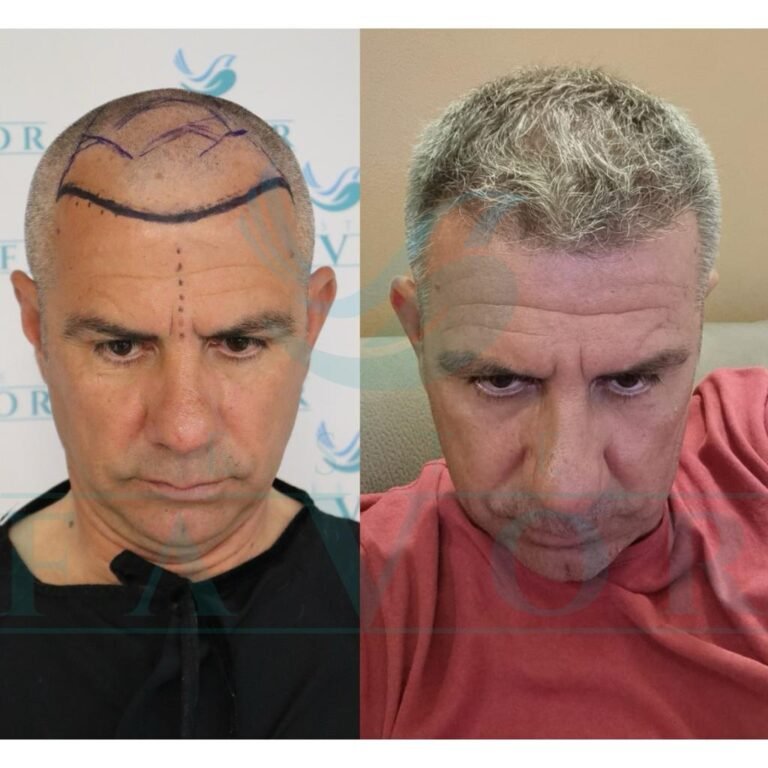
Frequently Asked Questions
How many grafts do I need for curly hair transplant?
Type 3 curly hair typically requires 20-30% fewer grafts than straight hair due to superior natural volume. Most patients need 2,000-4,000 grafts for comprehensive restoration, though this varies based on the extent of hair loss and desired density.
Will my transplanted hair maintain its curl pattern?
Yes. Transplanted follicles retain their genetic characteristics, including curl pattern. Your new hair will grow with the same type 3 curl structure as your donor area hair.
Is the procedure more painful for type 3 curly hair?
No. Curly hair transplants use the same local anesthesia as procedures for straight hair. Discomfort levels are comparable, with most patients reporting minimal pain during and after the procedure.
How long until I can style my curly hair normally?
You can resume gentle styling around 2-3 weeks post-procedure. However, avoid tight hairstyles, heat styling, and chemical treatments for at least 3-4 months to protect healing grafts.
What is the success rate for curly hair transplants?
When performed by experienced surgeons using appropriate techniques, curly hair transplants achieve 90-95% graft survival rates comparable to straight hair procedures. The key is choosing a clinic with specific expertise in curly hair follicle handling.