
The most critical concern for anyone considering hair restoration is whether hair transplants look natural. After all, the goal isn’t simply to have more hair—it’s to achieve results that are indistinguishable from your original hairline, seamlessly blending with your existing hair in a way that nobody can detect. Understanding what makes a hair transplant appear natural, and how modern techniques in 2025 have perfected this art, is essential before making your decision.
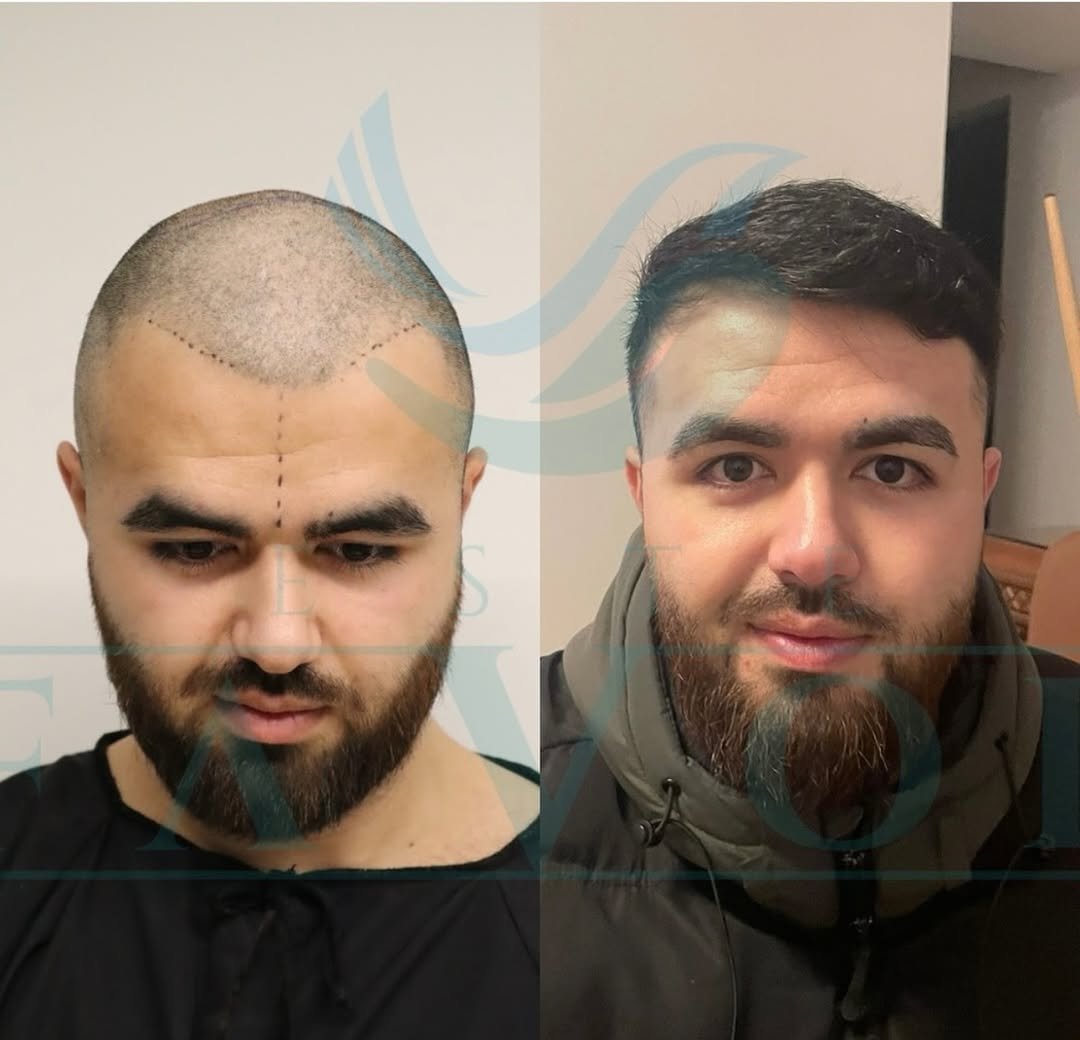
The transformation in hair transplant naturalness over the past decade has been revolutionary. Gone are the days of obvious “pluggy” results and unnatural hairlines that immediately signaled surgical intervention. Today’s advanced techniques, particularly those practiced at leading hair transplant in Turkey clinics like Este Favor, produce results so authentic that even hairstylists and barbers can’t distinguish transplanted hair from natural growth. In this comprehensive guide, we’ll explore every factor that contributes to natural-looking results and why Turkey has become the global destination for aesthetically superior hair restoration.
What Makes a Hair Transplant Look Natural?
Achieving natural-looking results requires a sophisticated combination of artistic vision, technical precision, and biological understanding. The difference between obvious transplants and undetectable restoration lies in multiple interconnected factors that work together to create authentic appearance.
Hairline Design: The Foundation of Natural Results
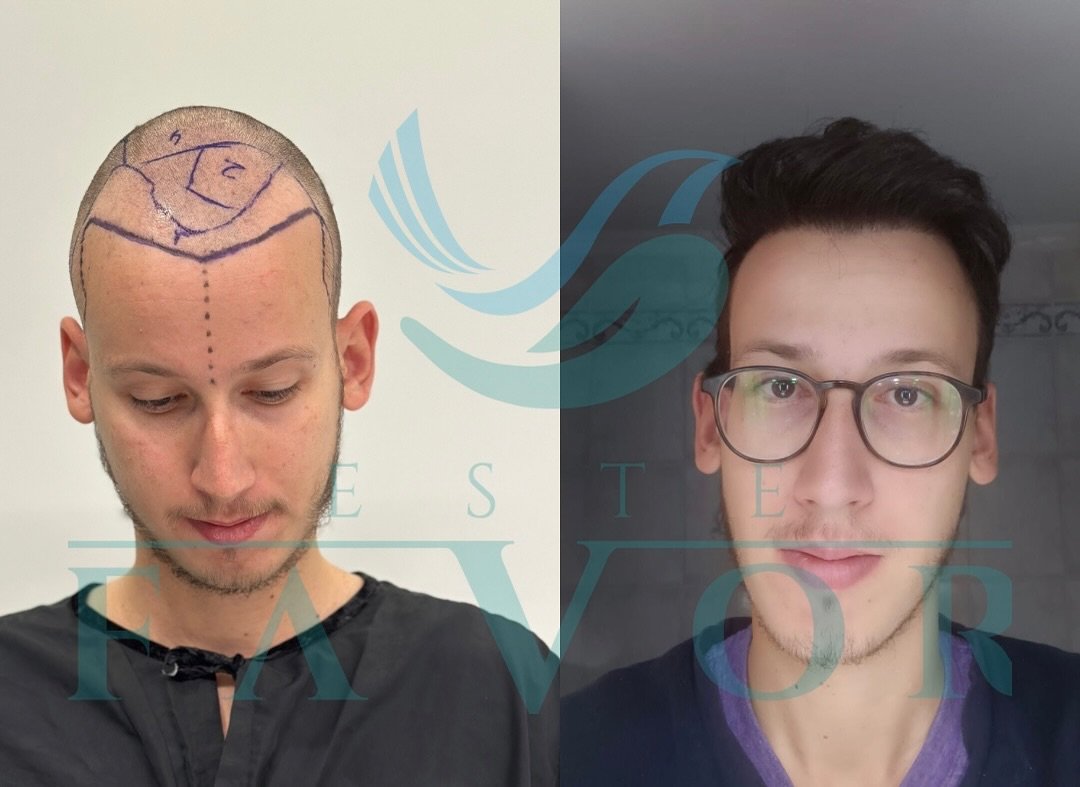
The hairline represents the most critical element in determining whether a hair transplant Turkey procedure looks natural. A well-designed hairline should be irregular, age-appropriate, and customized to your facial structure rather than following a generic template.
Natural hairlines are never perfectly straight or symmetrical. They feature subtle irregularities, micro-variations in density, and a gradual transition zone rather than an abrupt line of demarcation. The best surgeons create hairlines that mimic the soft, feathered appearance of natural hair growth, with single-hair follicular units placed strategically at the very front to ensure an undetectable transition.
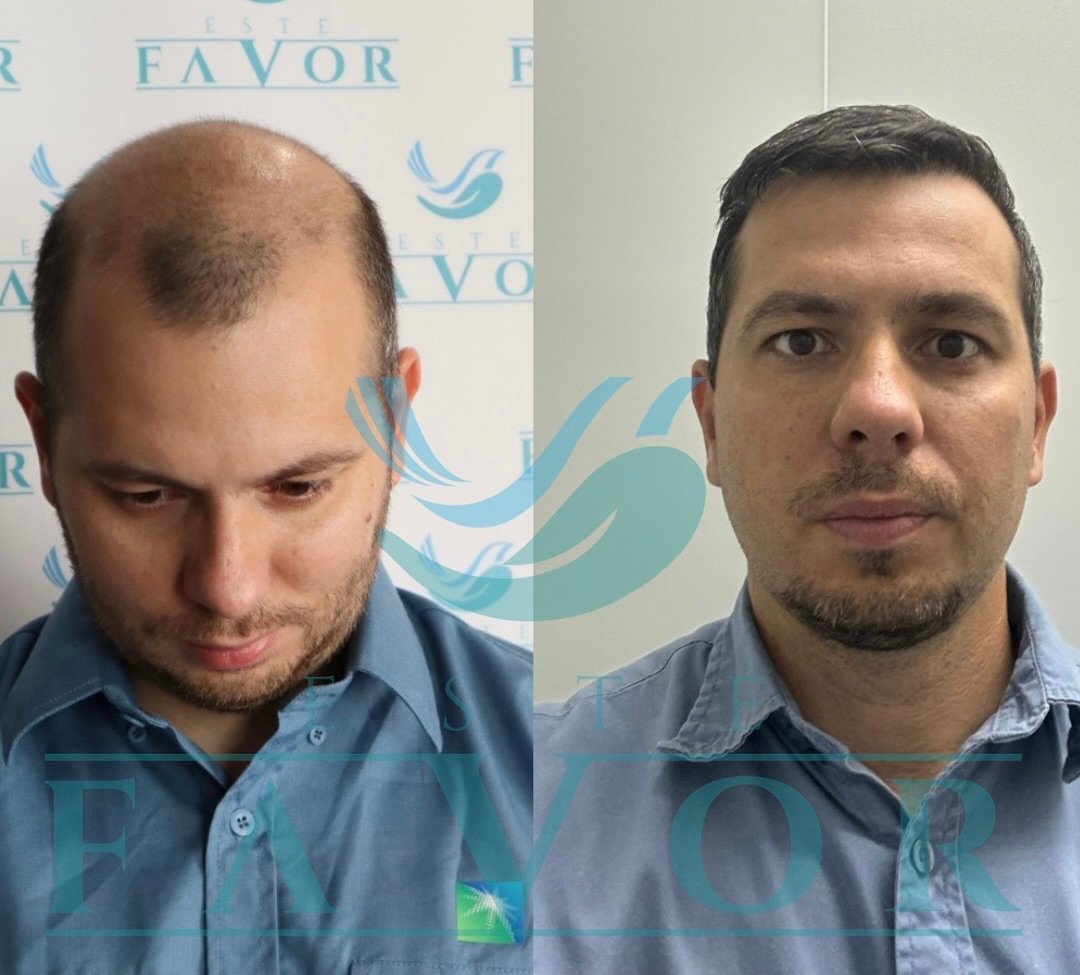
Age-appropriateness is equally crucial. A 45-year-old man shouldn’t receive the same low, dense hairline of a teenager. Experienced surgeons at the best hair transplant clinic in Turkey facilities understand that creating a slightly mature hairline actually produces more natural, sustainable results that will continue looking appropriate as you age.
Graft Placement Angles and Direction
The angle and direction at which each follicular unit is implanted dramatically impacts the final appearance. Natural hair doesn’t grow perpendicular to the scalp—it emerges at specific angles that vary across different regions of the head, typically between 30-45 degrees.
Surgeons must replicate these natural growth patterns by adjusting their implantation technique for each area. Hair at the frontal hairline should angle forward and slightly downward. Crown hair should spiral from a central whorl point. Temple hair should angle laterally and slightly forward. This meticulous attention to directional placement ensures that transplanted hair lies naturally and can be styled in any direction without revealing surgical origins.
The precision required for proper angling has improved significantly with modern techniques. FUE and DHI methods allow surgeons to control depth, angle, and direction with millimeter accuracy, producing results that perfectly mimic natural growth patterns available at hair transplant in Istanbul clinics.
Hair Density and Distribution Strategy
Creating appropriate density is a delicate balance—too sparse looks incomplete, while too dense appears unnatural and can actually compromise graft survival. Natural hair density varies significantly across the scalp, typically ranging from 60-100 follicular units per square centimeter depending on ethnicity and individual characteristics.
Strategic distribution means prioritizing density where it matters most visually. The frontal third of the scalp receives the highest density allocation because this area frames your face and receives the most visual attention. The mid-scalp receives moderate density, while the crown may receive lighter coverage unless sufficient grafts are available for complete restoration.
This graduated density approach creates the illusion of fuller coverage while working within the limitations of available donor hair. It’s a mathematical and artistic challenge that experienced surgeons navigate expertly, ensuring that hair transplant costs in Turkey deliver maximum aesthetic value from every precious graft.
Modern Techniques That Ensure Natural Results
The evolution of hair transplant methodology has been driven primarily by the pursuit of increasingly natural outcomes. The techniques available in 2025 represent the pinnacle of this development, offering unprecedented control over every aspect of the restoration process.
FUE: The Gold Standard for Natural Appearance
Follicular Unit Extraction has become the dominant technique precisely because it produces the most natural-looking results. By extracting and implanting individual follicular units—natural groupings of 1-4 hairs—FUE replicates the exact way hair grows in nature.
The FUE hair transplant pain is minimal, but more importantly for aesthetics, the technique leaves no linear scar and allows for extremely precise placement. Each graft can be angled, directed, and positioned independently, giving surgeons complete artistic control. This flexibility enables the creation of soft, natural hairlines and appropriate density variations that simply weren’t possible with older strip-harvesting methods.
The tiny extraction sites (0.6-0.9mm) heal completely within days, leaving virtually no visible scarring even with a shaved head. This invisible donor area impact means your hair restoration remains your secret, with no telltale signs of surgical intervention.
Sapphire FUE: Enhanced Precision for Superior Aesthetics
Sapphire FUE represents a refinement of traditional FUE, using blades made from genuine sapphire crystal rather than steel. These ultra-sharp, smooth blades create smaller, more precise incisions that heal faster and allow for denser packing of grafts without tissue damage.
The result is the ability to achieve higher density in critical areas like the frontal hairline while maintaining completely natural appearance. The smoother incisions reduce tissue trauma and scarring, contributing to better graft survival and more authentic final results. Leading hair transplant Turkey clinics have adopted Sapphire FUE as their standard approach due to these aesthetic advantages.
DHI (Direct Hair Implantation): Ultimate Control
DHI technology uses the specialized Choi implanter pen to create the recipient site and place the graft in a single motion. This eliminates the two-step process of traditional FUE, reducing graft handling and time outside the body, which improves survival rates and final density.
More significantly for naturalness, DHI provides unparalleled control over angle, depth, and direction. The surgeon can adjust these parameters for each individual graft in real-time, ensuring perfect alignment with surrounding natural hair. This precision makes DHI particularly effective for creating undetectable hairlines and filling between existing hair without damaging native follicles.
Advanced Microscopic Dissection
Behind the scenes, the preparation of grafts plays an enormous role in final naturalness. Modern clinics employ stereomicroscopes and specialized techniques to prepare grafts with minimal trauma, preserving the natural architecture of each follicular unit.
Skilled technicians carefully separate multi-hair grafts from single-hair units, allowing strategic placement—singles at the hairline for softness, multiples behind for density. This separation and categorization ensures that the right graft type goes to the right location, a crucial factor in achieving authentic appearance that justifies the affordable hair transplant Turkey price.
Why Turkey Excels at Natural-Looking Results
Turkey’s emergence as the global leader in hair transplantation isn’t coincidental—it’s the result of unique factors that combine to produce consistently natural, aesthetically superior outcomes.
Volume-Driven Expertise
Turkish surgeons perform exponentially more procedures than their counterparts in other countries. A busy Istanbul surgeon might complete 15-20 procedures weekly compared to 1-2 for Western surgeons. This volume translates directly to refined aesthetic judgment and technical mastery.
The experience of placing hundreds of thousands of grafts across thousands of patients creates an intuitive understanding of what works aesthetically. Surgeons at facilities like Este Favor develop an almost artistic sense for hairline design, density distribution, and natural patterning that can only come from extensive, repetitive practice.
Artistic and Cultural Emphasis
Turkish culture places high value on personal appearance and grooming, which influences the aesthetic priorities of hair transplant surgeons. There’s an inherent understanding that results must be not just successful medically but beautiful aesthetically. This cultural context drives the emphasis on naturalness over mere coverage.
The best hair transplant clinic in Turkey facilities employ surgeons who think like artists as much as physicians. They consider facial proportions, ethnicity-specific hair characteristics, and individual style preferences when designing each restoration. This holistic, aesthetic-first approach ensures results that enhance overall appearance rather than simply adding hair.
Comprehensive Team Approach
Turkish clinics typically employ larger surgical teams than Western facilities, allowing for specialized roles that enhance natural outcomes. Dedicated technicians handle graft preparation with microscopic precision. Specialized implanters focus exclusively on placement. Experienced designers plan hairlines. This division of labor ensures every aspect receives expert attention.
The team approach also enables faster procedures, which means grafts spend less time outside the body, improving survival rates and final density. Higher density achieved through superior graft survival directly translates to more natural-looking fullness in the final result.
Investment in Latest Technology
The competitive hair transplant in Turkey market drives continuous investment in cutting-edge technology. Clinics must stay current with the latest instruments, techniques, and innovations to remain competitive. This constant technological advancement benefits patients through access to methods that produce increasingly natural results.
From microscopic visualization systems to precision Choi pens to advanced post-operative care protocols, Turkish clinics offer technology that may not yet be widely available elsewhere. Este Favor exemplifies this commitment, regularly updating equipment and training to ensure patients receive the most advanced, naturally-appearing results possible.
Factors That Can Compromise Natural Appearance
Understanding what can go wrong helps you avoid pitfalls and select a surgeon who will deliver authentic results. Several common mistakes continue to produce unnatural outcomes at less reputable clinics.
Incorrect Hairline Placement
Hairlines placed too low, too straight, or without appropriate irregularity immediately signal surgical intervention. The “eternal hairline” mistake—giving mature men the low, dense hairline of a teenager—looks particularly unnatural and will only become more obvious with age.
Symmetrically perfect hairlines also look fake because nature is inherently irregular. A natural hairline features subtle asymmetries, varied density, and a gentle feathered transition rather than an abrupt line. Surgeons who use template-based approaches rather than customized design often create these telltale artificial patterns.
Poor Angle and Direction
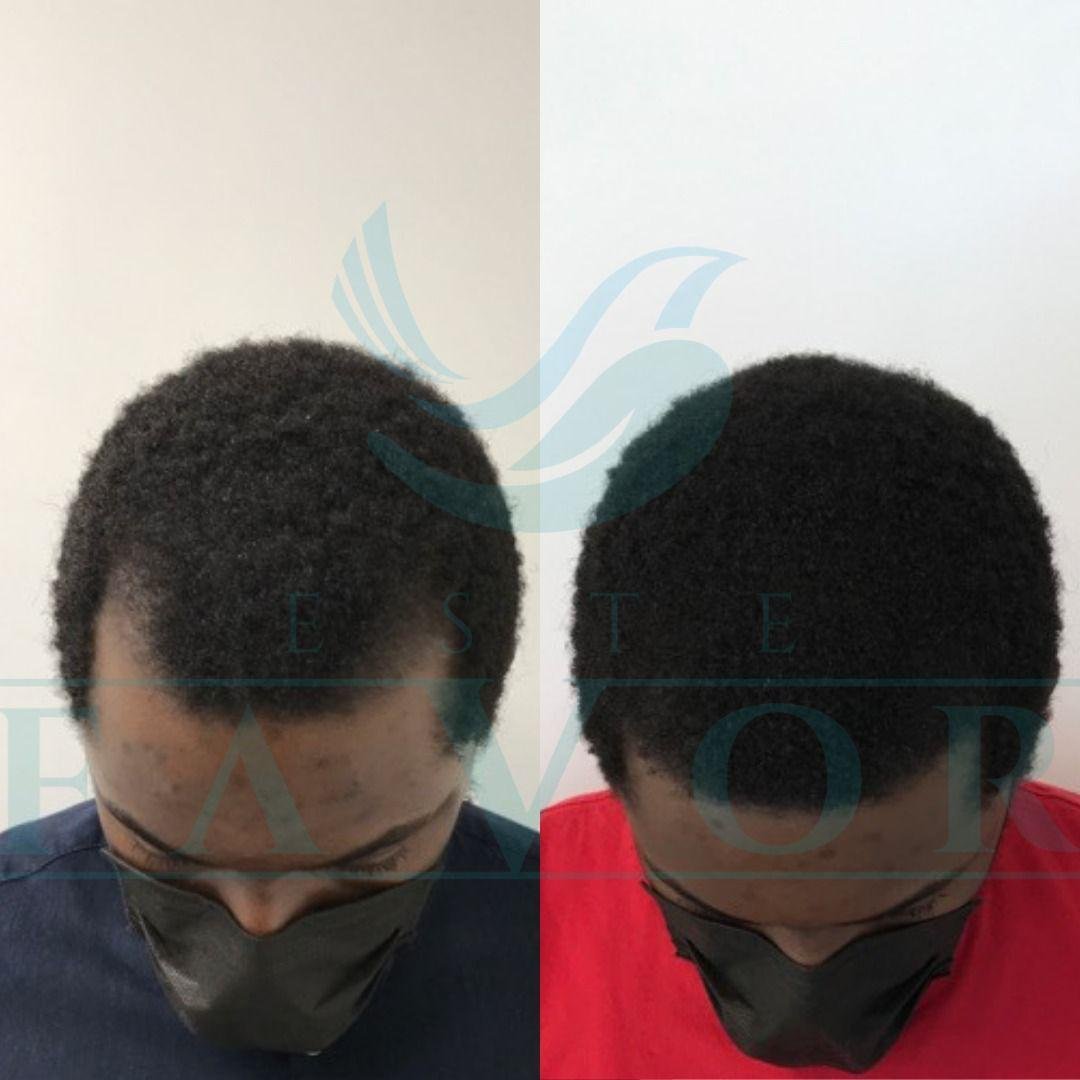
Grafts implanted at incorrect angles stick up unnaturally or lie flat in wrong directions, making transplanted areas obvious. This is particularly noticeable with afro hair transplant Turkey procedures, where the natural curl pattern must be respected during implantation. Hair that grows in conflicting directions creates a chaotic, unnatural appearance that’s difficult to style.
Excessive Density in Single Session
Attempting to pack too many grafts into an area in a single session can compromise blood supply, reduce survival rates, and create an unnaturally uniform appearance. Natural hair has subtle density variations—perfect uniformity actually looks artificial. Overpacking also increases scarring and can damage surrounding native follicles.
Using Inappropriate Graft Types
Placing multi-hair grafts at the frontal hairline creates an obvious “pluggy” appearance—the calling card of outdated transplant techniques. Natural hairlines consist almost entirely of single-hair follicular units, with 2-3 hair units beginning only 5-10mm behind the leading edge. Clinics that don’t properly separate and categorize grafts cannot achieve this crucial refinement.
Neglecting Donor Area Aesthetics
Over-harvesting the donor area or creating visible scarring compromises the natural appearance of short hairstyles. Even with FUE, excessive extraction from concentrated areas can create visible thinning or “moth-eaten” patterns. Skilled surgeons distribute extraction evenly across the entire donor zone, ensuring the back and sides of your head look as natural as the transplanted areas.

Ethnic Considerations for Natural Results
Different ethnicities have distinct hair characteristics that must be respected to achieve natural-looking outcomes. One-size-fits-all approaches produce inferior results for patients whose hair doesn’t match typical Caucasian patterns.
Afro Hair Transplants: Unique Challenges and Solutions
Afro-textured hair grows in curved, spiral patterns beneath the scalp surface, requiring specialized extraction and implantation techniques. Standard FUE punches and angles don’t work effectively—surgeons need modified tools and approaches specifically designed for curved follicles.
The afro hair transplant Turkey specialists at leading clinics understand these requirements. They use modified punch tools, adjust extraction angles to follow the curved follicle path, and implant at angles that accommodate natural curl patterns. When done correctly, results are completely natural, with transplanted hair curling and coiling exactly like surrounding native hair.
Afro hair also provides excellent visual coverage despite lower actual density because of its larger diameter and curl pattern. Experienced surgeons leverage this characteristic, achieving natural fullness with fewer grafts than required for straight hair.
Asian Hair Characteristics
Asian hair is typically straight, thick in diameter, and darker in color—characteristics that create both advantages and challenges. The straight growth pattern simplifies angle matching, and the thick diameter provides excellent coverage. However, the strong contrast between dark hair and light scalp means density must be sufficient to avoid a “see-through” appearance.
Asian hairlines typically have less temple recession than Caucasian patterns and feature a more rounded shape. Surgeons must design hairlines that respect these ethnic characteristics rather than imposing Western aesthetic standards. The result should look authentically Asian, not like an ethnically inappropriate transplant.
Middle Eastern and Mediterranean Hair
These hair types often feature higher natural density and wave patterns that require careful matching. The tendency toward early, aggressive hair loss in these populations means surgeons must plan conservatively, creating hairlines that will remain age-appropriate even as surrounding native hair continues to thin.
The moderate curl and wave in Middle Eastern hair can actually enhance naturalness when properly respected during implantation. Hair naturally overlaps and creates visual density more effectively than perfectly straight hair. Experienced surgeons at hair transplant in Istanbul facilities understand how to leverage these characteristics for optimal aesthetic outcomes.
Timeline: When Will Your Transplant Look Natural?
Understanding the natural evolution of transplant appearance helps manage expectations and reduces anxiety during the growth process. The journey to final results follows a predictable pattern, though exact timing varies individually.
Immediate Post-Operative Period (Days 1-14)
Immediately after surgery, transplanted areas appear red with visible recipient sites and crusting around each graft. This obviously doesn’t look natural, but it’s a temporary phase. The redness typically subsides within 7-10 days as healing progresses. Crusts and scabs fall off naturally between days 7-14, revealing pink skin beneath.
During this period, transplanted hair shafts remain in place, giving an initial preview of coverage and density. However, these original shafts will soon shed—this is completely normal and expected. The visible hair during the first two weeks isn’t the final result; it’s just the transplanted shaft that was above the skin at the time of implantation.

The Shedding Phase (Weeks 2-4)
Between weeks 2-4, most transplanted hair shafts fall out in a process called “shock loss.” This can be psychologically challenging, but it’s actually a sign that the process is proceeding normally. The follicles remain securely implanted beneath the skin; only the hair shafts above the surface are shedding.
After shedding, the scalp appears similar to pre-transplant, which is why this phase is sometimes called the “ugly duckling” period. Patience is essential—the follicles are entering a resting phase before beginning new growth. Nothing looks particularly natural during this phase because the transplanted area appears sparse, but this is temporary and expected.
Early Growth Phase (Months 3-6)
Around month 3-4, new hair begins emerging from the transplanted follicles. Initial growth is often thin, fine, and somewhat wispy—not yet the final texture or thickness. During months 4-6, growth accelerates and hair begins thickening, but results still appear somewhat immature.
By month 6, approximately 40-60% of final growth is visible. The appearance is noticeably improved but not yet completely natural. Hair continues thickening and maturing, gradually blending better with surrounding native hair. Most patients begin feeling satisfied with their appearance around this point, though further improvement continues.
Maturation Phase (Months 6-12)
Between months 6-12, transplanted hair continues thickening, maturing in texture, and increasing in density. The gradual nature of this improvement means you might not notice day-to-day changes, but month-to-month progress is significant.
By month 12, approximately 80-90% of final results are visible. Most patients achieve fully natural appearance by this point, with transplanted hair indistinguishable from native growth. The hairline has fully matured, density has reached its final level, and hair texture matches surrounding areas.
Final Results (Months 12-18)
Complete maturation can take up to 18 months, particularly for fine hair or areas of high density. The final 10-20% of improvement involves subtle continued thickening and refinement. By 18 months, results are absolutely final—this is the outcome you’ll maintain for life.
At this stage, the hair transplant Turkey results look completely natural because the hair has been growing normally for over a year, has been cut and styled multiple times, and has fully integrated with your existing hair. Even close examination typically reveals nothing unusual.
How to Ensure Your Transplant Looks Natural
Taking an active role in your hair restoration journey significantly impacts the naturalness of your outcome. Several strategic decisions and considerations fall under your control.
Choosing the Right Surgeon
Surgeon selection is the single most important factor determining naturalness. Research extensively—review before-and-after photos, read patient testimonials, and examine the surgeon’s artistic aesthetic. Do results look genuinely natural across diverse patients, or do they all have a similar, template-based appearance?
Look for surgeons who customize designs rather than using standard approaches. Ask specific questions during consultation about how they’ll design your hairline, what density they recommend, and how they’ll match angle and direction. A surgeon who provides thoughtful, detailed answers demonstrates the artistic consideration necessary for natural results.
Consider volume and experience. Surgeons who perform hundreds of procedures annually develop refined judgment that occasional practitioners simply cannot match. The best hair transplant clinic in Turkey facilities typically feature surgeons with 10-15+ years of specialized experience and thousands of completed cases.
Being Realistic About Goals
Unrealistic expectations can drive decisions that compromise naturalness. If you have limited donor hair but want extremely dense coverage across a large area, either the density will be insufficient (looking thin and unnatural) or the donor area will be over-harvested (creating visible depletion).
Work collaboratively with your surgeon to develop a plan that maximizes aesthetic impact within your biological limitations. Sometimes this means planning multiple sessions, prioritizing critical areas, or accepting slightly lighter density in less visible regions. These strategic compromises actually produce more natural overall appearance than attempting to do too much with insufficient resources.
Following Post-Operative Instructions
Post-operative care directly impacts graft survival, which determines final density and naturalness. Following washing protocols, avoiding physical activity, protecting from sun exposure, and taking prescribed medications all contribute to optimal healing and maximum graft survival.
Poor post-operative care can reduce survival rates by 10-20%, which translates to noticeably thinner, less natural-looking results. The difference between 90% and 70% survival rate is substantial visually—it’s the difference between natural fullness and disappointing sparseness. Given the reasonable hair transplant Turkey cost, protecting your investment through proper aftercare is essential.
Considering Complementary Treatments
While we don’t discuss medical treatments, considering complementary aesthetic options can enhance naturalness. Scalp micropigmentation can add the appearance of density. Strategic haircuts and styling can optimize the appearance of transplanted areas. These options don’t replace quality transplantation but can refine and enhance naturally beautiful results.
Conclusion
The question “do hair transplants look natural?” has a definitive answer in 2025: when performed by skilled surgeons using modern techniques, hair transplants are completely indistinguishable from natural hair growth. The transformation from obvious “plug” procedures of decades past to today’s artistic, sophisticated restorations represents one of the most dramatic evolutions in cosmetic surgery.
Turkey’s leadership in producing naturally beautiful results stems from the unique combination of volume-driven expertise, artistic sensibility, technological investment, and competitive excellence. Facilities like Este Favor demonstrate that exceptional naturalness and affordability are not mutually exclusive—the hair transplant costs in Turkey deliver world-class aesthetic outcomes at a fraction of Western prices.
The key to ensuring your transplant looks natural lies in informed surgeon selection, realistic planning, and patient collaboration throughout the process. By understanding what makes results authentic and choosing experienced specialists who prioritize aesthetic excellence, you can confidently pursue hair restoration knowing that your results will be your secret—beautiful, natural, and completely undetectable. Contact Este Favor today to begin your journey toward naturally restored confidence that nobody will question.