
When researching affordable hair restoration options, hair transplant cost India frequently appears as a budget-friendly alternative to Western pricing. With advertised rates starting as low as ₹20-30 per graft ($0.24-0.36), India attracts international patients seeking substantial savings. However, understanding the complete financial picture requires examining not just procedure costs but total expenditure including travel, accommodation, ancillary medical expenses, and quality considerations that affect long-term value.
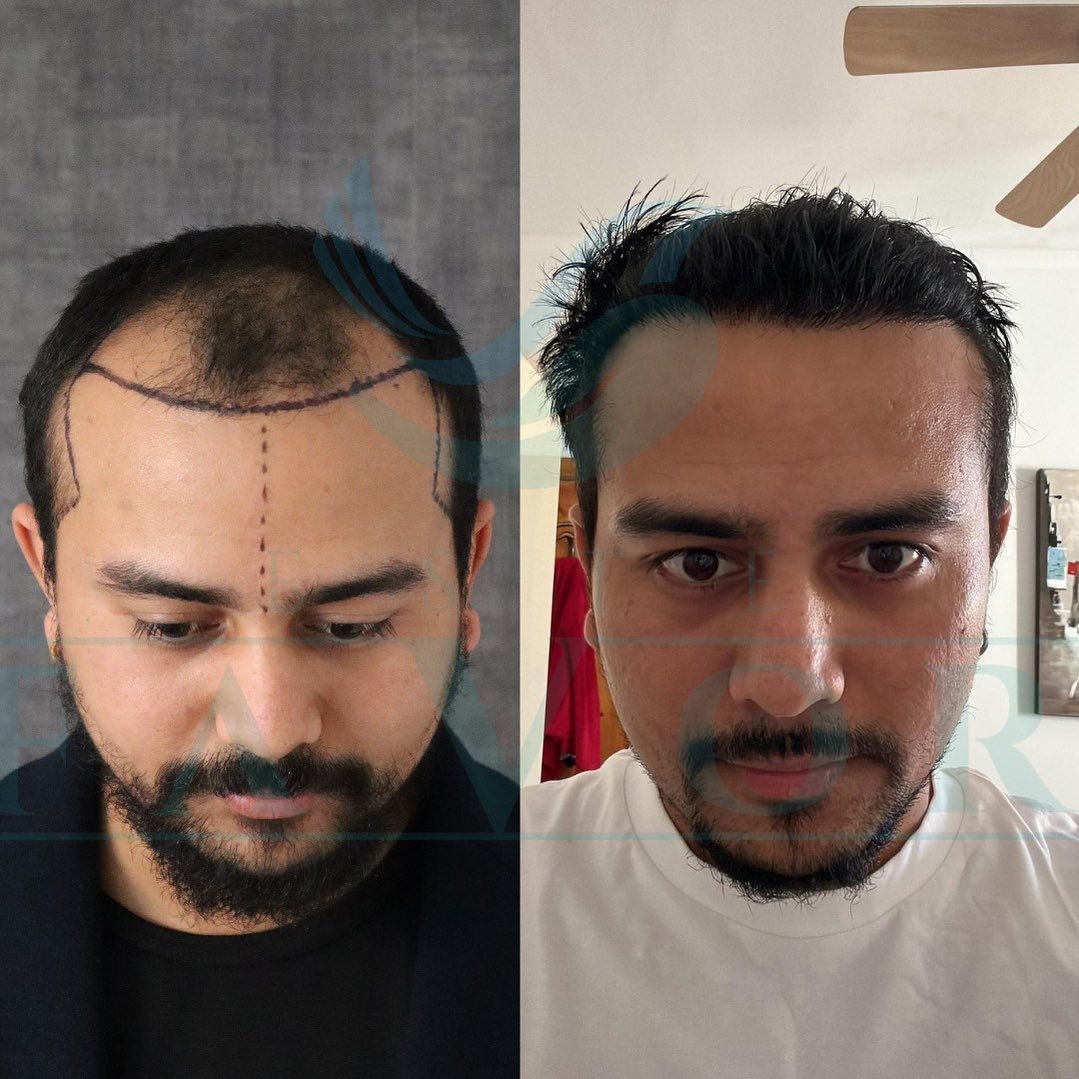
This analysis provides objective data on hair transplant price India across major cities, explains the economic factors enabling lower pricing, documents what costs are included versus additional, examines quality standards at different price points, and presents detailed comparison with hair transplant Turkey options to help you make informed decisions based on comprehensive information rather than advertised rates alone. The goal is not to advocate for any particular destination but to present factual cost and quality data enabling you to assess which option delivers optimal value for your specific circumstances and priorities.
Hair transplant cost India ranges from ₹40,000 to ₹3,50,000 ($480-$4,200) depending on city, center tier, surgeon experience, and graft numbers required. When international patients add visa, flights, accommodation, local transport, and ancillary medical costs, realistic totals reach $2,000-3,500. Hair transplant Turkey packages range $2,800-4,000 all-inclusive. Understanding what each price point delivers in terms of surgical expertise, facility standards, patient support, and outcome quality determines which represents superior value rather than simply lower cost.
India Hair Transplant Cost Breakdown: The Numbers
Understanding hair transplant price India requires examining per-graft pricing, typical procedure totals, and city-by-city variations.
Per-Graft Pricing Structure
FUE cost India (Follicular Unit Extraction) ranges ₹20-80 per graft ($0.24-0.96) depending on multiple factors. Budget centers in tier-2 cities charge ₹20-30 per graft. Mid-range facilities in major metros price ₹35-50 per graft. Premium centers with experienced surgeons command ₹60-80 per graft. FUT (strip method) costs approximately 20-30% less but leaves linear scarring, making it less popular with international patients.
Typical Procedure Costs
Most patients require 2,000-4,000 grafts depending on balding extent and desired density. Using mid-range pricing:
- 2,000 grafts: ₹70,000-1,00,000 ($840-1,200)
- 3,000 grafts: ₹1,05,000-1,50,000 ($1,260-1,800)
- 4,000 grafts: ₹1,40,000-2,00,000 ($1,680-2,400)
These figures represent procedure costs before additional expenses.
City-Specific Pricing
Hair transplant cost Delhi averages ₹35-60 per graft with total procedures ₹1,05,000-2,40,000 ($1,260-2,880). Delhi’s status as capital with high medical facility concentration creates competitive market with options across price spectrum.
Hair transplant cost Mumbai represents India’s highest pricing at ₹40-70 per graft, totaling ₹1,20,000-2,80,000 ($1,440-3,360). As India’s financial capital with highest living costs, Mumbai overhead expenses drive premium pricing approaching international rates.
Hair transplant cost Bangalore ranges ₹30-55 per graft with procedures costing ₹90,000-2,20,000 ($1,080-2,640). The tech hub offers quality medical infrastructure at somewhat lower costs than Mumbai or central Delhi.
Chennai, Hyderabad, and Pune offer ₹25-50 per graft with total costs ₹75,000-2,00,000 ($900-2,400). These tier-1 cities provide reasonable infrastructure at more moderate pricing.
Tier-2 cities like Jaipur, Chandigarh, and Indore advertise lowest rates at ₹20-40 per graft, totaling ₹40,000-1,60,000 ($480-1,920), though with more limited medical tourism infrastructure and smaller pools of experienced surgeons.
What’s Typically Included
Base hair transplant cost India quotes usually cover the extraction and implantation procedure itself, local anesthesia, and initial consultation. One follow-up visit within first few weeks may be included though this varies by center.
Common Additional Expenses
Pre-operative blood work and medical testing typically costs ₹3,000-8,000 ($36-96) additional. Medications including antibiotics, pain management, and anti-inflammatories add ₹5,000-15,000 ($60-180). Post-operative care products like special shampoos and healing treatments cost ₹5,000-20,000 ($60-240). Additional follow-up consultations beyond the initial one charge ₹2,000-5,000 ($24-60) per visit.
A procedure advertised at ₹50,000 realistically becomes ₹75,000-1,00,000 ($900-1,200) after necessary additions—50-100% higher than initial quote.
Economic Factors Enabling India’s Lower Pricing
Cheap hair transplant India rates reflect genuine economic differences rather than necessarily indicating quality compromises, though pricing does correlate with quality factors.
Labor Cost Advantages
Medical professional salaries in India run substantially lower than Western equivalents. Surgeons earning ₹20-40 lakhs annually ($24,000-48,000) would command $200,000-500,000+ for equivalent work in the US or Europe. Support staff, technicians, and administrative personnel similarly earn fraction of Western wages. These labor cost differentials enable lower pricing while maintaining profitability.
Overhead and Operating Costs
Center rent, utilities, equipment, and supplies cost significantly less in Indian rupees than dollar/euro equivalents in Western markets. A center space costing ₹2-3 lakhs monthly rent ($2,400-3,600) in a good Mumbai or Delhi location would require $15,000-30,000+ monthly for comparable space in major Western cities.
Currency Exchange Benefits
For international patients, rupee-denominated costs convert to very favorable dollar, euro, or pound amounts. While ₹1,20,000 represents meaningful expense within Indian economy, it converts to just $1,440—a fraction of equivalent Western procedure costs.
Market Competition
Thousands of centers across India create intense competition, particularly in medical tourism hubs. This competitive pressure limits pricing power, with centers competing partly on cost to attract patients. The volume-based business model—performing many procedures at lower margins—differs from Western low-volume, high-margin approaches.
Regulatory Environment
Less stringent regulatory requirements compared to Western countries reduce compliance costs, approval timelines, and administrative overhead. While this enables cost savings, it also creates quality consistency challenges as standards vary more widely between facilities.
These economic factors legitimately enable hair transplant price India substantially below Western equivalents. However, lower cost doesn’t automatically equal better value if quality, outcomes, or patient experience suffer.
Turkey Hair Transplant Cost Structure
Hair transplant Turkey pricing differs structurally from India through all-inclusive packaging and different cost drivers.
All-Inclusive Package Pricing
Istanbul hair transplant centers typically quote single comprehensive prices covering procedure, accommodation, transfers, medications, and support. Standard packages range $2,800-4,000 for 3,000-4,000 grafts including:
- Complete FUE procedure with sapphire blade technology
- 4-star hotel accommodation (3-4 nights)
- Airport and center transfers (VIP vehicles)
- All medications (antibiotics, pain relief, anti-inflammatories)
- Post-operative care kit (shampoos, healing products)
- Translator and English-speaking coordinator services
- Lifetime follow-up support via WhatsApp/video
This single price represents actual total cost with minimal additional expenses required.
Turkish Economic Factors
Turkey’s positioning differs from India economically. While Turkish lira provides currency advantage for international patients, Turkey’s costs fall between India’s ultra-low and Western countries’ high expenses. Surgeon salaries, facility costs, and overhead run higher than India but well below Western levels.
Volume-Based Expertise Model
Best hair transplant Turkey centers operate high-volume models where leading surgeons perform 400-600 procedures annually versus 100-200 typical in India. This extraordinary volume develops technical mastery and efficiency while maintaining profitability despite all-inclusive pricing that appears to offer substantial services at relatively modest cost.
Medical Tourism Infrastructure Investment
Turkey has developed hair transplant medical tourism as strategic national industry over 15+ years, creating mature infrastructure including dedicated medical tourism airport services, extensive translator networks, standardized international patient protocols, and quality assurance systems. This infrastructure investment enables seamless experiences that justify pricing slightly above India’s baseline rates.
Market Positioning Strategy
Affordable hair transplant Turkey centers position as premium-value rather than ultra-budget options—offering international standards at prices substantially below Western rates but above rock-bottom alternatives. The strategy focuses on volume through reputation and patient satisfaction rather than competing purely on lowest cost.
Direct Cost Comparison: India vs. Turkey
Comparing hair transplant India vs Turkey requires examining total expenditure rather than just procedure costs.
India Total Cost Calculation (International Patient)
Base procedure (3,000 grafts mid-range): ₹1,20,000 ($1,440)
Additional medical costs:
- Pre-op testing: ₹5,000 ($60)
- Medications: ₹8,000 ($96)
- Post-op products: ₹7,000 ($84)
- Follow-up visits (2): ₹6,000 ($72)
Travel and logistics:
- Visa (e-Medical): $100
- International flights: $600-1,000 (varies by origin)
- Hotel (4 nights): $150-300
- Local transport: $80-120
- Meals and miscellaneous: $100-150
India realistic total: $2,600-3,300
Turkey Total Cost Calculation
All-inclusive package (3,000-3,500 grafts): $3,200
Additional minimal costs:
- Visa (e-Visa): $50
- Meals beyond breakfast: $80-120
- Optional shopping/activities: Variable
Turkey realistic total: $3,330-3,500
The Value Gap Analysis
Cost difference: $200-700 additional for Turkey
What that differential provides:
- Established 15+ year medical tourism infrastructure vs. developing systems
- 400+ annual procedures per surgeon vs. 100-200 average
- Consistent quality standards across reputable centers vs. variable Indian quality
- Comprehensive all-inclusive transparency vs. accumulating hidden costs
- Mature English-speaking support systems vs. more variable communication
- Standardized international protocols vs. center-dependent approaches
The modest cost difference ($200-700) buys substantial operational, experiential, and quality advantages.
Quality Standards Comparison
Best hair transplant India quality varies significantly by price point, while best hair transplant Turkey maintains more consistent standards across reputable providers.
India Quality Spectrum
Ultra-budget tier (₹20-30/graft): Recent graduate surgeons with minimal independent experience often perform procedures. High patient volumes with rushed procedures compromise graft handling. Older equipment and basic facilities. Limited post-operative support. Graft survival rates typically 70-80%.
Mid-range tier (₹35-50/graft): Reasonably experienced surgeons performing 100-200 annual procedures. Adequate modern facilities meeting basic medical standards. Standard protocols with variable execution quality. Graft survival 80-85% typically.
Premium tier (₹60-80+/graft): Experienced surgeons with international training performing 200-300 annual procedures. Modern facilities approaching international standards. Comprehensive protocols and quality systems. Graft survival 85-90% with good aesthetic outcomes. Pricing approaches Turkey/Western rates.
The quality gap between Indian tiers is substantial—choosing poorly based solely on low cost creates significant outcome risks.
Turkey Quality Standards
Reputable Istanbul hair transplant centers maintain relatively consistent standards:
Surgeon experience: 400-600 procedures annually at leading centers develops pattern recognition and technical mastery that lower-volume practitioners cannot match regardless of training credentials.
Facility standards: Modern accredited facilities meeting international protocols. JCI accreditation common among top centers.
Technology: Latest sapphire FUE hair transplant techniques standard rather than optional premium.
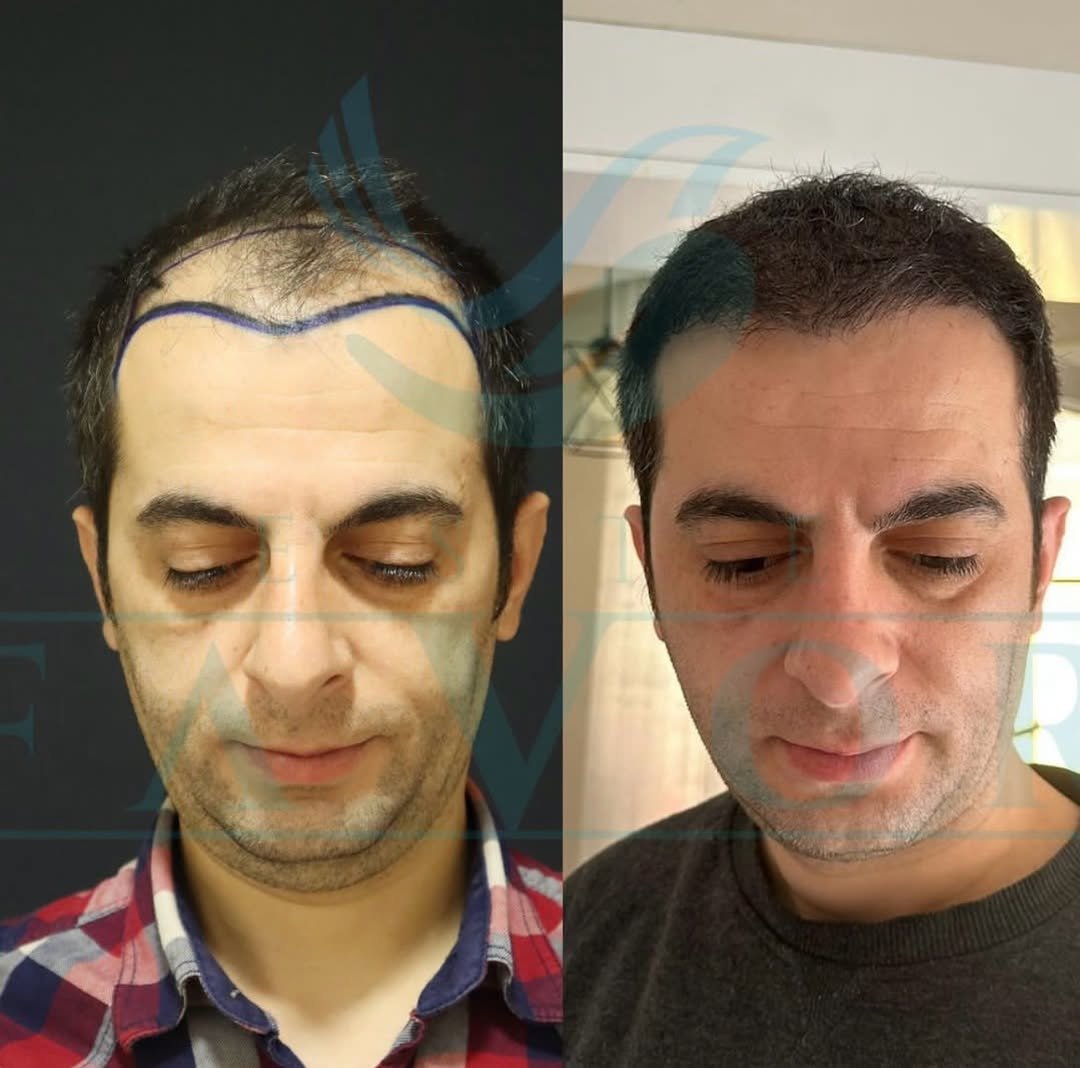
Graft survival: 90-95% typical at reputable centers due to refined handling protocols developed through high volumes.
Aesthetic outcomes: Natural hairline design refined through thousands of procedures across diverse patient types.
While quality variations exist among Turkish providers, the gap between good and excellent Turkish centers is narrower than the chasm between budget and premium Indian facilities.
Standardization vs. Variability
Hair transplant Turkey benefits from industry standardization where best practices spread quickly through competitive market and international patient expectations. Hair transplant cost India shows high variability where similar advertised prices can deliver dramatically different quality depending on specific center and surgeon chosen.
For international patients lacking local knowledge to distinguish genuinely qualified Indian providers from clever marketing, Turkey’s more consistent quality standards reduce selection risk substantially.
Patient Experience and Support Systems
Beyond surgical outcomes, the patient journey and support infrastructure differ substantially between destinations.
Pre-Procedure Experience
India: Initial consultation may be in-person or virtual. International patients typically self-manage travel arrangements, accommodation booking, local transportation, and logistics coordination. Center involvement focuses primarily on medical aspects with limited comprehensive journey management.
Turkey: Hair restoration Turkey centers provide end-to-end coordination including consultation, travel booking assistance, arrival logistics, and comprehensive itinerary management. The medical tourism focus means patient experience management is core business function rather than peripheral service.
During Procedure and Stay
India: Patients navigate city logistics independently. Language barriers may arise outside major metros or with non-English-speaking staff. Accommodation separate from center requires self-managed transportation for appointments. Support availability varies by center with international patients sometimes receiving less attention than local patients.
Turkey: All-inclusive packages bundle accommodation, transportation, and support. Dedicated coordinators manage every detail. English-speaking staff standard. Hotels often near centers or transport provided seamlessly. International patient experience optimization is primary focus rather than secondary consideration.
Post-Procedure Follow-Up
India: Initial follow-up within first weeks often included. Longer-term follow-up for international patients proves challenging. Returning to India for additional consultations impractical for most international patients. Remote support quality varies widely by center, with some providing minimal contact after patients depart while others maintain reasonable communication.
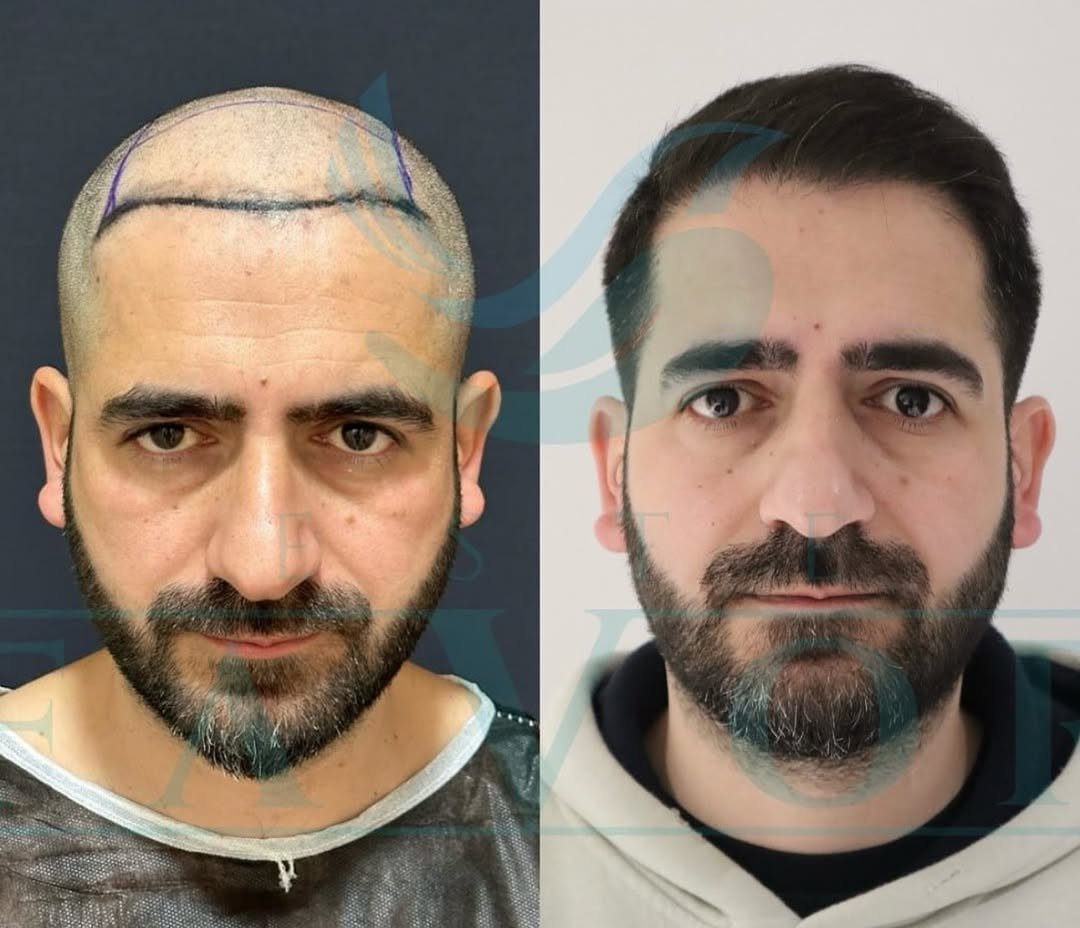
Turkey: Lifetime follow-up via WhatsApp and video consultation is standard at reputable centers. Coordinators remain accessible for questions and concerns throughout 12-18 month growth period. The international patient focus means long-distance support systems are core offering rather than afterthought.
Complication Management
India: If complications or concerns arise after returning home, international patients face challenges getting responsive support. Distance makes addressing issues difficult. Returning to India for corrective work imposes substantial cost.
Turkey: Established protocols for remote complication management. Responsive support systems. Clearer recourse if problems arise since international patients represent primary business and reputation depends on satisfaction.
Cultural and Communication Factors
India: English proficiency varies. Medical terminology discussions may face language barriers outside premium centers. Cultural differences in communication styles can create misunderstandings.
Turkey: Medical tourism focus means English proficiency is business requirement rather than nice-to-have. Communication styles adapted specifically for international patient expectations developed through years of experience.
The experiential differences justify modest cost differentials for many patients who value seamless processes over absolute lowest baseline cost.
Este Favor: Transparent Turkey Value Proposition
Among Istanbul hair transplant providers, Este Favor demonstrates the value equation that makes Turkey compelling versus India for many international patients.
Transparent All-Inclusive Pricing
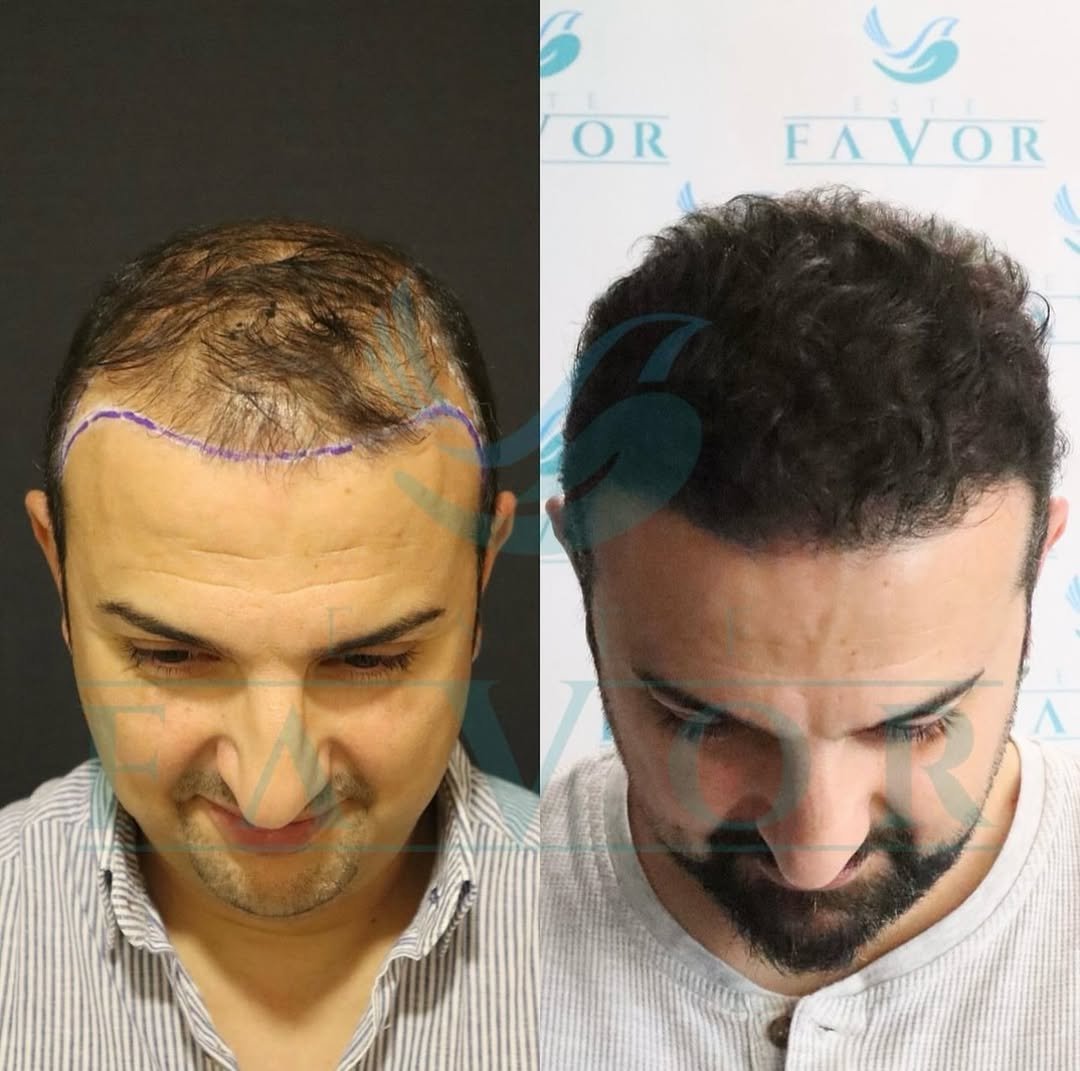
Este Favor packages range $2,800-3,800 for 2,000-4,000 grafts with everything genuinely included: complete sapphire FUE procedure, 4-star hotel accommodation (3-4 nights), all transfers (VIP airport pickup/dropoff and center transportation), comprehensive medication package, post-operative care kit, English-speaking coordinators and translators, and lifetime follow-up support.
The quoted price is actual total cost—no hidden fees, surprise charges, or necessary add-ons. This transparency contrasts with hair transplant cost India where advertised rates require multiple additional expense layers.
Volume-Driven Surgical Expertise
Este Favor surgeons perform 400+ procedures annually—2-4x typical best hair transplant India surgeon volumes. This extraordinary repetition develops technical refinement, aesthetic judgment, and efficiency that lower-volume practitioners cannot match regardless of training credentials.
Experience with diverse international patient populations means Este Favor handles varying hair types, ethnic backgrounds, and aesthetic expectations refined through thousands of procedures across global patient base.
Standardized Quality Protocols
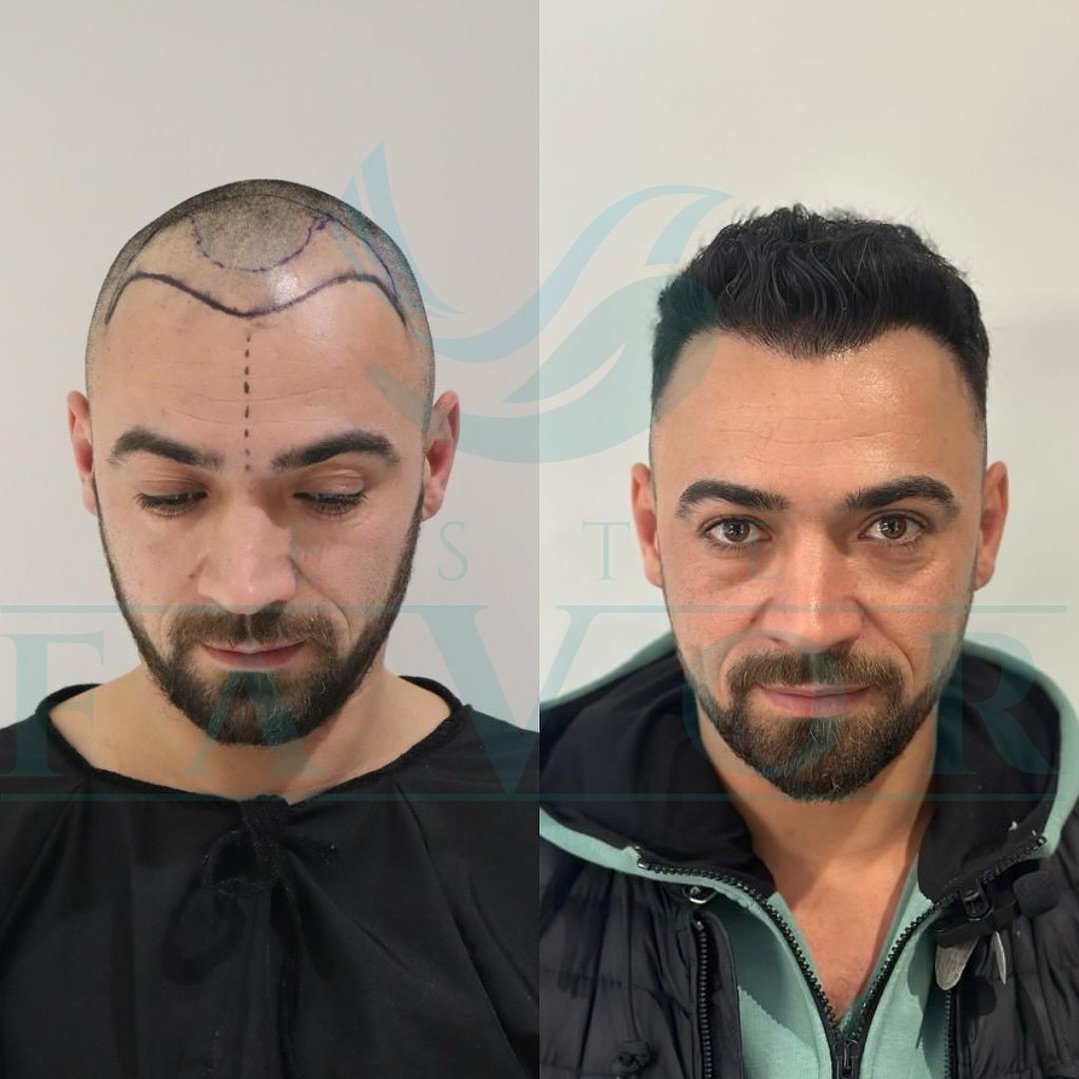
Sapphire FUE technology standard rather than premium option. Systematic graft handling protocols developed through high volumes maximize survival rates typically achieving 95%+. Natural age-appropriate hairline design philosophy rather than aggressive one-size-fits-all approaches.
Comprehensive Patient Journey Management
From initial inquiry through 12-month follow-up, dedicated coordinators manage every detail. Airport arrival met by VIP transfer. Hotel check-in coordinated. Procedure day logistics handled. Follow-up appointments scheduled. Departure transfers arranged. Post-return WhatsApp support maintains connectivity throughout growth period.
The Value Calculation
At $3,200-3,500 for typical 3,000-3,500 graft procedures, Este Favor costs $200-700 more than realistic India totals including travel and all expenses. That differential delivers:
- 2-4x surgeon procedure volume translating to technical mastery
- 95%+ graft survival vs. 70-85% common at budget Indian centers
- Transparent pricing vs. accumulating hidden costs
- Seamless experience vs. self-managed logistics
- Responsive lifetime support vs. variable long-distance communication
- Consistent international standards vs. quality roulette
For many international patients, spending modestly more for substantially reduced risk, superior experience, and better outcomes represents logical value maximization rather than penny-wise, pound-foolish cost minimization.
Making Your Informed Decision
Hair transplant cost India offers genuinely lower procedure pricing reflecting real economic advantages. For domestic Indian patients or those with significant budget constraints, India provides access to restoration otherwise unaffordable. Carefully researching specific surgeons and centers, realistic budgeting for total costs beyond advertised rates, and understanding quality variations between price points enables informed Indian provider selection.
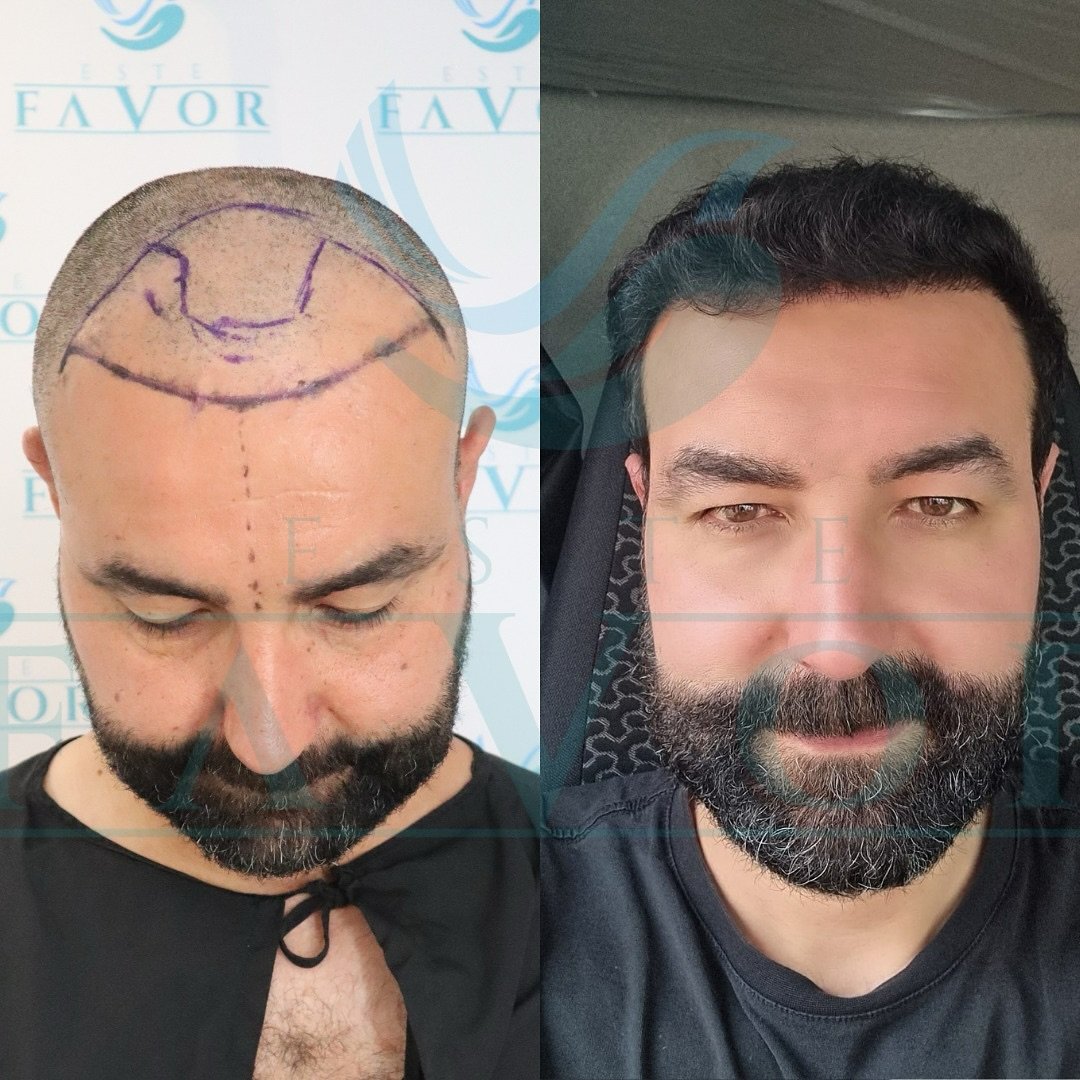
Hair transplant Turkey packages cost modestly more—typically $200-700 additional versus realistic India totals—but deliver established infrastructure, higher surgeon volumes, more consistent quality, and comprehensive patient experience management. For international patients valuing reduced selection risk, seamless logistics, and optimized outcomes, the modest differential represents worthwhile investment.
The optimal choice depends on your specific priorities: If absolute minimum cost is paramount and you’re willing to invest extensive research time identifying quality Indian providers and managing all logistics independently, India may serve your needs. If you value process simplicity, reduced quality risk, superior support systems, and proven expertise developed through high volumes, Turkey delivers better value despite slightly higher cost.
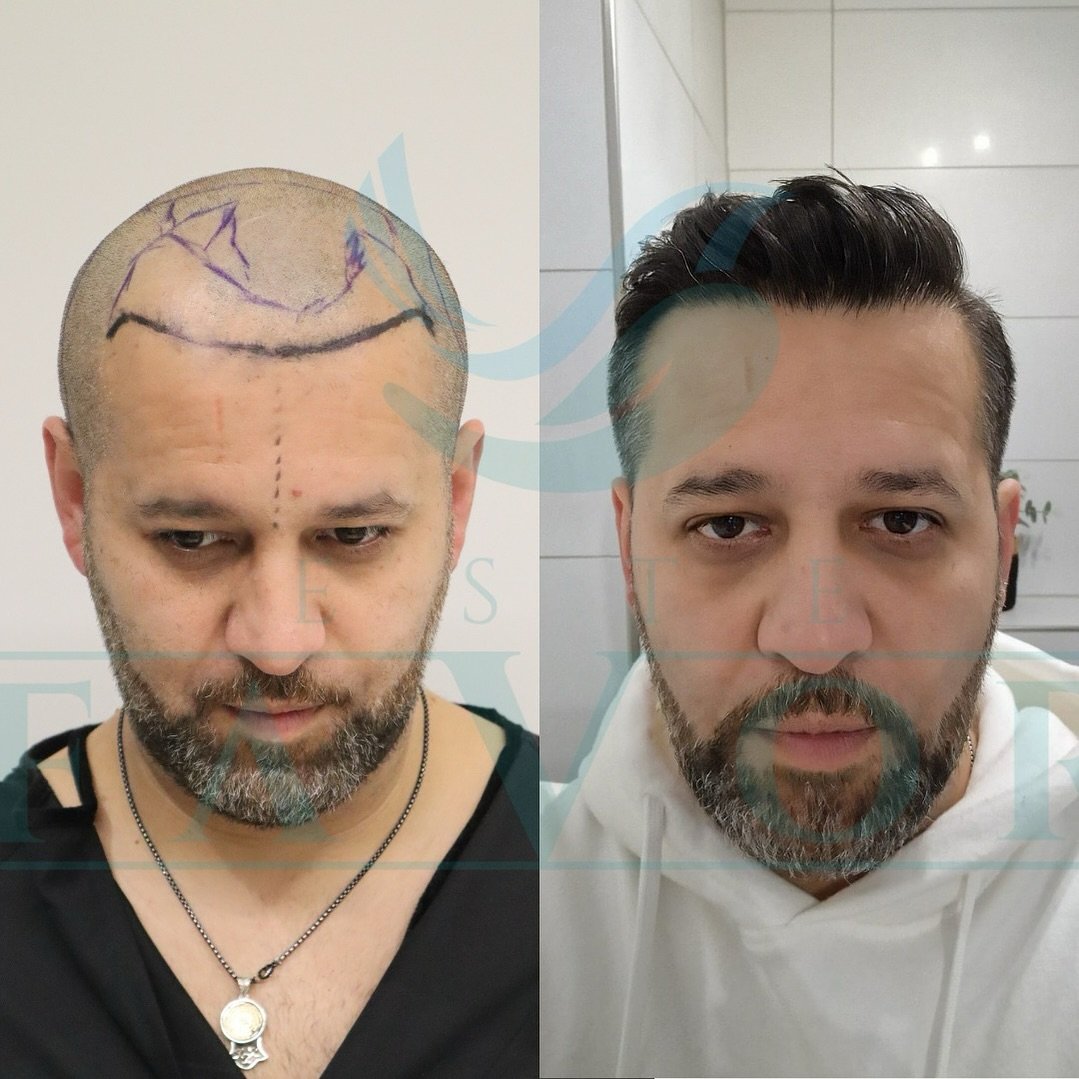
Neither choice is universally superior—context matters. For most international patients, however, comprehensive analysis suggests hair restoration Turkey options like Este Favor optimize the value equation where results, experience, and cost intersect favorably compared to the complexity and variability of navigating hair transplant price India options across widely varying quality spectrum.