
Losing your hair can feel like losing a part of your identity, and once you’ve committed to surgical intervention, the next hurdle looms large: where should you actually go for the procedure? Over the last ten years, the international medical tourism sector has transformed beyond recognition, with India and Turkey rising as the two heavyweight champions in affordable hair restoration. Both nations advertise attractive pricing compared to what you’d pay in the West, boast skilled medical professionals, showcase state-of-the-art equipment, and claim tens of thousands of satisfied patients annually. But scratch beneath the surface, and hair transplant India vs Turkey evaluations uncover striking contrasts in how techniques are mastered, how international clients are treated, how costs are structured, and what the overall journey feels like—all of which can make or break your final outcome and happiness level.

Wondering which country truly gives you more bang for your buck? Nervous about quality control in either location? Struggling to figure out how to vet surgeons, assess facilities, and predict success when you’re sitting thousands of miles away? This detailed comparison slices through the marketing fluff to deliver honest, balanced insights about both options. We’ll dissect everything from surgical competence and cutting-edge tools to itemized expenses, patient support systems, cultural nuances, and actual success metrics—giving you everything needed to make a smart, confident choice and walk away with genuinely natural, lasting hair restoration. Whether you’re already leaning one way or still completely on the fence, what follows will arm you with clarity and certainty for this life-changing decision.
The Global Evolution of Hair Restoration Tourism
Before we tackle the specific hair transplant India vs Turkey debate head-on, let’s zoom out and examine the bigger picture of medical tourism for hair procedures—this context explains exactly why these two nations dominate the field.
Countries like the United States, United Kingdom, Canada, and Australia impose steep pricing for hair transplant surgeries, with costs commonly spanning $8,000 to $20,000 based on how extensive your restoration needs are. Such pricing excludes countless individuals battling hair loss from getting the help they need, which naturally creates hunger for overseas alternatives that blend affordability with respectable quality.
Medical tourism focused on hair restoration has skyrocketed over the past decade and a half, with people crossing international borders specifically to access cosmetic interventions that merge excellent care with substantial financial relief. Enhanced global connectivity, cheaper flights, transparent digital reviews, and purpose-built medical tourism ecosystems in select nations have all fueled this phenomenon.
Both India and Turkey spotted this opportunity early and poured resources into building their hair restoration sectors. Today, each country conducts tens of thousands of procedures on foreign patients every year, cultivating deep expertise and competitive landscapes that push quality upward while keeping prices reasonable.
Yet the hair transplant India vs Turkey analysis shows these destinations have taken divergent paths despite targeting the same clientele. Their philosophies around patient experience, technical focus areas, payment structures, and support for international visitors differ in ways that profoundly shape what you’ll encounter and achieve.
India’s Hair Transplant Landscape: A Comprehensive Look
India has carved out a niche as an all-encompassing medical tourism hub handling everything from heart operations to aesthetic enhancements at dramatically reduced prices versus Western standards. Its hair restoration segment functions within this larger medical tourism ecosystem, with activity concentrated in major urban centers including Delhi, Mumbai, Bangalore, and Chennai.
Hair transplant facilities in India cater to a mixed clientele: local residents seeking treatment, Non-Resident Indians flying back home for procedures, and international medical tourists from surrounding nations and farther afield. This diverse patient base shapes how these centers organize their offerings and set their prices.
Indian providers frequently spotlight their surgeons’ academic achievements and professional qualifications, with numerous practitioners possessing advanced credentials and certifications from institutions in the West. India’s medical training system maintains high standards and produces exceptionally qualified doctors across every medical field.
Cost structures across India show considerable variation depending on which city you choose, the reputation of the facility, and how experienced the surgeon is. Metropolitan hubs command higher fees than smaller cities, although even India’s premium centers remain far cheaper than Western options.
Regulatory oversight for hair transplantation in India lacks the standardization seen in some other countries, resulting in significant quality fluctuations between different facilities. This creates opportunities for bargain hunting but also risks of receiving subpar treatment, making diligent research absolutely critical for anyone considering India.
India’s hair restoration sector operates in a highly price-competitive environment, with many centers battling for both domestic and international clientele. This competitive pressure can benefit patients through reduced costs but simultaneously makes it harder to separate quality providers from bare-bones operations.

Turkey’s Hair Transplant Phenomenon: A Purpose-Built Industry
Turkey—Istanbul specifically—has claimed the title of undisputed worldwide hub for hair transplantation, conducting more procedures per year than any competing country. The Turkish model fundamentally differs from India’s approach, having evolved explicitly around international medical tourism for hair restoration rather than emerging as one component of broader medical tourism.
Istanbul’s dense clustering of hair restoration centers has created an entire ecosystem devoted exclusively to this specialty. The metropolitan area executes roughly 250,000 to 350,000 hair transplants annually, with foreign patients accounting for the overwhelming majority. This staggering volume generates unparalleled specialization—surgeons often complete several procedures daily, building experience levels that match or surpass practitioners anywhere globally.
Turkey’s signature approach revolves around all-inclusive packages engineered specifically for international clients. These bundled offerings generally encompass the surgical procedure itself, required medications, post-surgery care, transportation from and to the airport, lodging accommodations, and interpretation services—all wrapped into one straightforward price that removes the headache of juggling multiple moving parts in an unfamiliar country.
Quality standardization within best Turkey hair transplant landscape has strengthened considerably in recent years, with top-tier centers pursuing international credentials and certifications proving adherence to worldwide medical benchmarks. That said, the industry’s explosive growth has simultaneously spawned numerous budget-focused centers prioritizing patient throughput over meticulous care, creating a broad quality spectrum.
Turkish surgeons have cultivated particularly deep specialization in FUE (Follicular Unit Extraction) hair transplant, with countless centers inventing proprietary modifications and refinements of this core technique. This singular technical focus builds extraordinary mastery in FUE extraction, placement, and aesthetic planning specifically.
Turkey’s government actively champions medical tourism as an economic growth strategy, establishing business-friendly regulations and supportive policies for hair restoration centers. This governmental backing has turbocharged industry expansion and infrastructure tailored precisely to serve international patients.

Comparing Surgical Proficiency and Technical Expertise
When weighing hair transplant India vs Turkey options, analyzing surgical proficiency and areas of specialization exposes crucial differences that directly affect procedure quality and results.
Medical Training Foundations and Professional Credentials
Hair transplant surgeons in India typically earn medical degrees (MBBS) followed by specialized training in dermatology or plastic surgery disciplines. Many pursue supplementary fellowships or focused training in hair restoration specifically, frequently at international institutions. India’s medical education framework is demanding and churns out highly competent physicians across all specialties.
Turkish hair restoration surgeons likewise hold medical degrees and commonly specialize in plastic surgery, dermatology, or cultivate niche expertise in hair restoration. The tremendous procedure volume throughout Turkey generates learning experiences and skill refinement that emerges from constant repetition and ongoing practice.
However, Turkey’s hair restoration boom has led some centers to employ surgeons with less experience or rely on technicians to handle procedure segments traditionally reserved for physicians. This varies by center and demands thorough verification when choosing a Turkish provider.
Specialized Technique Development
The hair transplant India vs Turkey comparison reveals clear patterns in technique specialization. Turkish surgeons have developed extraordinary expertise in FUE approaches, with the vast preponderance of procedures utilizing this technique. This concentrated specialization breeds remarkable competence in FUE extraction mechanics, graft placement, and aesthetic design tailored to this methodology.
Indian surgeons frequently provide both FUE and FUT (Follicular Unit Transplantation) techniques, offering greater adaptability in selecting approaches based on each patient’s distinct requirements. Certain patients benefit from FUT’s capacity to yield more grafts, making the option to choose between techniques valuable.
Turkish centers regularly promote proprietary FUE variations or branded techniques—ranging from sapphire FUE employing specialized cutting instruments to DHI (Direct Hair Implantation) approaches using Choi implanter pens. While some innovations deliver genuine advancements, others function primarily as marketing differentiation without meaningful technical divergence.
Experience Accumulation Through Volume
Turkey’s extraordinary procedure frequency creates expertise accumulation that’s challenging to replicate elsewhere. Surgeons completing 5-10 procedures weekly develop technique refinement and diagnostic pattern recognition that translates to enhanced patient outcomes and fewer complications.
Indian surgeons’ procedure volumes fluctuate more dramatically depending on their practice emphasis and patient demographics. High-volume Indian centers match Turkish facilities in accumulated experience, while smaller practices might conduct substantially fewer annual procedures.

Infrastructure and Medical Technology Assessment
Contemporary hair transplantation depends on sophisticated equipment and properly outfitted medical facilities, making this a significant factor in the hair transplant India vs Turkey assessment.
Advanced Equipment and Surgical Tools
Leading centers in both nations deploy current hair restoration technology including motorized FUE extraction devices, high-magnification microscopes for graft preparation, and appropriate surgical suites. The equipment quality at premium centers in both India and Turkey satisfies international benchmarks.
Turkish centers frequently highlight their newest technology in promotional materials, showcasing sapphire blades, robotic FUE systems, or other advanced apparatus. While quality equipment certainly matters, surgical expertise and artistic sensibility remain more critical than specific instruments for delivering outstanding results.
Indian centers similarly invest in contemporary technology, though they may spotlight it less aggressively in marketing campaigns. The emphasis often stays focused on surgeon qualifications and accumulated experience rather than equipment brand names.
Medical Facility Quality and Standards
Premium centers in both countries maintain appropriate surgical settings with proper sterilization procedures, environmental controls, and safety apparatus. However, quality diverges significantly within each country between luxury facilities and budget operations.
International accreditation from bodies like JCI (Joint Commission International) or ISO certification offers objective confirmation of facility standards. Multiple Indian and Turkish centers possess these credentials, proving compliance with global medical facility benchmarks.
Turkey’s rapid proliferation of hair restoration centers has resulted in some facilities functioning in converted residential spaces or inadequate environments. Similarly, budget-focused Indian centers may sacrifice facility quality to deliver rock-bottom prices. Rigorous facility verification is mandatory in both countries.
Breaking Down Costs: What You Actually Pay
Pricing stands as a primary driver for most patients investigating hair transplant India vs Turkey, yet grasping the hair transplant cost Turkey and precisely what those advertised figures include is vital for evaluating genuine value. When examining proposals, don’t fixate solely on the headline number—verify whether it encompasses surgical instruments, pharmaceutical products, post-procedure care, airport transportation, hotel accommodations, and follow-up consultations. A deceptively low quote might omit essential services, triggering surprise expenses down the road, whereas a higher all-inclusive hair transplant cost Turkey package can deliver mental comfort, complete transparency, and the quality standards you’d expect from an affordable hair transplant Turkey experience.
Understanding Base Procedure Pricing
Turkish hair transplant procedures generally span $1,500 to $4,000 for international clients, with most reputable centers pricing standard procedures at $2,000-$2,800. These figures typically encompass 3,000-4,500 grafts within all-inclusive bundles, reflecting the competitive hair transplant cost Turkey has established in the worldwide marketplace.
Indian hair transplant pricing shows wider fluctuation, stretching from $800 to $3,500 based on geographic location, facility standing, and surgeon credentials. Delhi and Mumbai centers generally charge premium rates compared to facilities in secondary cities. However, Indian pricing frequently quotes per-graft fees rather than bundled packages, complicating direct comparisons.
When evaluating Turkey hair transplant costs, comprehending what the stated price actually includes is essential. Turkish all-inclusive bundles generally cover everything minus airfare, whereas Indian centers might bill separately for medications, post-surgical care, or other services that Turkish packages automatically include.

Decoding Package Components
Turkey’s all-inclusive framework typically delivers:
- Complete surgical procedure with all required grafts
- Pre-surgery consultation and medical assessments
- Full medication supply (antibiotics, pain management, anti-inflammatory drugs)
- Post-surgery care and follow-up consultations
- Airport pickup and return transportation
- Hotel lodging (usually 2-3 nights)
- Translation and interpretation services throughout
Indian centers might present comparable packages for international patients, though the service model varies more dramatically between facilities. Some deliver comprehensive bundles matching Turkish standards, while others employ itemized billing for each service element.
Identifying Hidden Expenses and Extras
Beyond baseline procedure pricing, factor in the complete financial commitment required for hair transplant India vs Turkey alternatives.
Travel expenses to Turkey from European or Middle Eastern locations often run lower than flights to India due to closer proximity and competitive airline competition. From North American or other distant regions, flight costs might favor either destination or prove roughly equivalent.
Lodging expenses differ substantially within each nation. Turkish all-inclusive packages eliminate this worry for the immediate recovery window, though longer stays demand additional arrangements. Indian accommodation spans from economical guesthouses to upscale hotels, providing flexibility while requiring independent planning.
Visa requirements diverge by nationality, with both countries mandating visas for numerous international visitors. Turkey provides e-visas for many nationalities through simplified digital applications, whereas Indian visa procedures can prove more elaborate and time-intensive.
Supplementary expenses including meals beyond provided ones, local transit, sightseeing activities, and prolonged accommodation should factor into comprehensive cost projections for either destination.
Calculating Real Value Beyond Price Tags
The hair transplant India vs Turkey value equation extends beyond simple price differentials to encompass the complete patient journey, included amenities, and anticipated results.
Turkey’s all-inclusive framework delivers clarity and straightforwardness, particularly valuable when orchestrating international medical interventions. The comprehensive bundle eliminates financial surprises and streamlines budgeting, though it might incorporate services certain patients neither need nor value.
India’s more variable pricing architecture permits customization and potentially reduced costs for patients prepared to coordinate logistics independently or who possess local contacts facilitating arrangements. However, this pathway demands more investigation and advance planning.
Quality-adjusted value—the connection between expenditure and expected outcome quality—represents the most crucial consideration. A $1,500 procedure yielding disappointing results delivers inferior value compared to a $3,000 procedure producing outstanding outcomes, despite the former costing less.

Patient Support Systems for International Visitors
The reality of being an international medical traveler significantly influences satisfaction and results, making patient care infrastructure a vital element in hair transplant India vs Turkey evaluations.
Language Services and Clear Communication
Turkish hair restoration centers have constructed sophisticated multilingual support frameworks tailored explicitly for international clientele. Most centers staff employees fluent in English, Arabic, German, French, and additional languages prevalent among their target demographics. Professional translation ensures crystal-clear communication throughout treatment.
Indian centers likewise deliver English-language services given English’s status as an official language in India, though regional accents and communication patterns might require adaptation for certain international patients. Supplementary language support fluctuates by center and may prove less exhaustive than Turkish facilities for non-English speakers.
Transparent communication regarding procedure expectations, recovery protocols, and potential complications is fundamental for successful results. The capacity to pose questions, comprehend answers, and receive thorough explanations in your preferred language dramatically elevates the patient experience.
Pre-Trip Planning and Coordination
Turkish centers shine at efficient pre-arrival coordination, with proven systems for virtual consultations, photographic assessment, treatment strategizing, and logistics organization before patients depart home. The patient journey typically features straightforward communication via WhatsApp or comparable platforms, comprehensive preparation guidelines, and verification of all arrangements.
Indian centers’ pre-arrival workflows vary more extensively. Leading facilities present thorough virtual consultations and coordination rivaling Turkish centers, whereas smaller operations might maintain less sophisticated systems for international patient communication before arrival.
Arrival Logistics and Accommodation Management
Turkey’s all-inclusive framework provides airport pickup and accommodation as standard bundle elements, removing anxiety about navigating an unfamiliar nation immediately upon landing. Drivers greet patients at the airport holding name signs and transport them straight to hotels or medical facilities.
Indian centers may present similar services, particularly for international patients, though this fluctuates by facility and might involve supplementary charges. Some patients favor independently securing accommodation and transportation for enhanced flexibility and potentially reduced expenses.
Post-Surgery Care and Remote Monitoring
Both countries’ centers deliver immediate post-surgical care including wound maintenance, dressing replacements, and initial follow-up consultations before patients depart. However, long-distance follow-up support diverges significantly.
Turkish centers characteristically sustain contact with international patients through digital communication channels, examining progress photographs and resolving concerns remotely. The practicality of returning to Turkey for face-to-face follow-up consultations is constrained for most international patients given the distance and expense.
Indian centers confront comparable long-distance follow-up challenges, though patients from bordering countries or NRIs might find return visits more feasible. The aftercare approach typically emphasizes remote support through photographs and video conferences.

Cultural Environment and Travel Realities
Beyond strictly medical considerations, cultural atmosphere and travel dynamics influence patient comfort and contentment when contrasting hair transplant India vs Turkey alternatives.
Adapting to Different Cultural Settings
Turkey, particularly Istanbul, possesses extensive experience accommodating international medical tourists and has cultivated infrastructure specifically supporting this population. The cultural atmosphere in tourism and medical zones is accustomed to international guests, with numerous services catering explicitly to foreign patients.
India provides extraordinarily rich cultural immersion but can present substantial culture shock for visitors unfamiliar with South Asian environments. The sensory intensity, population density, and divergent cultural conventions may overwhelm certain international patients, especially those recovering from surgical interventions.
Combining Treatment with Tourism
Both destinations present exceptional tourism prospects that numerous patients combine with their medical procedures. Istanbul delivers globally renowned historical landmarks, varied gastronomy, and dynamic culture that many patients relish exploring during recovery intervals.
India’s magnificent cultural legacy, diverse territories, and legendary sites make it a compelling tourism destination. However, the physical demands of sightseeing may prove taxing immediately following hair transplant procedures when rest and careful recovery are paramount.
Safety Considerations for Medical Travelers
Both India and Turkey prove generally secure for international tourists exercising reasonable caution. However, like any foreign travel, consciousness of local circumstances, prevalent scams targeting tourists, and appropriate safety protocols is important.
Turkish medical tourism districts are well-established and generally exceptionally safe for international patients. Istanbul’s tourism infrastructure supplies security and support mechanisms for visitors.
India’s safety fluctuates by location and requires awareness, though major cities hosting medical tourists have cultivated support systems for international visitors. Adopting standard precautions and partnering with reputable centers minimizes security worries.
Climate Impact on Recovery Comfort
Climate considerations impact recovery comfort. Turkey’s Mediterranean climate supplies moderate temperatures throughout most months, though summers can grow quite warm. Istanbul’s spring and autumn present particularly agreeable weather for recovery.
India’s climate varies drastically by geographic region and season. Certain areas undergo extreme heat, elevated humidity, or monsoon deluges that may complicate recovery or reduce comfort levels. Scheduling procedures for cooler, drier seasons enhances comfort.
Oversight Systems and Quality Benchmarks
Comprehending the regulatory landscape and quality benchmarks in each country assists in assessing risks and pinpointing reputable providers in the hair transplant India vs Turkey comparison.
Government Regulation and Enforcement
Turkey’s Ministry of Health oversees medical facilities and procedures, including hair transplantation operations. The government has enacted stricter regulations in recent years targeting concerns about inadequately qualified practitioners and substandard centers. However, enforcement remains inconsistent, and the rapid industry expansion has strained regulatory capacity.
India’s medical regulation operates through multiple agencies including the Medical Council of India (now National Medical Commission) and state-level health authorities. The regulatory landscape is intricate, and oversight of cosmetic procedures fluctuates by jurisdiction.
Verified International Certifications
Multiple Indian and Turkish hair restoration centers have pursued international accreditation from organizations like JCI (Joint Commission International), proving adherence to global medical standards. These certifications supply independent verification of quality and safety protocols.
JCI-accredited centers experience exhaustive evaluation of facility standards, patient safety measures, infection control protocols, staff credentials, and care quality. Selecting accredited centers substantially diminishes risk regardless of country.
ISO certification for quality management frameworks supplies additional confirmation that centers maintain documented, consistent workflows and continuous enhancement systems.
Professional Medical Associations
Membership in international hair restoration professional bodies like the International Society of Hair Restoration Surgery (ISHRS) signals commitment to continuing education, ethical conduct, and professional benchmarks. Both Indian and Turkish surgeons participate in these organizations, though membership alone doesn’t guarantee individual surgeon excellence.
Authenticate surgeons’ advertised credentials, certifications, and association memberships through independent channels rather than depending exclusively on center promotional materials. Professional verification assists in identifying genuinely qualified practitioners.

Performance Metrics and Risk Factors
Objective performance data informs the hair transplant India vs Turkey decision, though securing reliable comparative statistics proves difficult.
Transplanted Hair Survival Statistics
Quality hair transplant procedures should attain 90-95% graft survival rates irrespective of location. Both Indian and Turkish surgeons at reputable centers accomplish these outcomes through proper technique, accumulated experience, and appropriate care protocols.
Nevertheless, survival rates fluctuate significantly based on surgeon competence, technique execution, and patient variables. Budget-oriented centers in either country may demonstrate lower success rates due to hurried procedures, insufficient surgeon participation, or compromised technique.
Potential Complications and Side Effects
Standard complications including infection, excessive bleeding, shock loss (temporary shedding of pre-existing hair), and disappointing aesthetic results manifest at varying frequencies depending on center quality and surgeon proficiency.
Premier centers in both countries sustain minimal complication rates through proper aseptic technique, appropriate patient screening, skilled execution, and comprehensive aftercare. Budget operations or inexperienced surgeons in either country present elevated complication risks.
Natural-Looking Results and Aesthetics
Natural-appearing results hinge on artistic hairline architecture, appropriate graft placement density and directionality, and proper allocation of grafts by follicular unit dimensions. These aesthetic considerations demand both technical competence and artistic discernment that develops through accumulated experience.
Elite surgeons in both India and Turkey generate gorgeous, natural results indistinguishable from patients’ original hair. However, inexperienced surgeons or rushed procedures in either country can produce unnatural hairlines, inadequate density, or conspicuous scarring that’s challenging or impossible to rectify.
Learning from Previous Patients’ Experiences
Scrutinizing actual patient experiences supplies valuable perspectives beyond promotional assertions when assessing hair transplant India vs Turkey alternatives.
Third-Party Review Platforms
Independent review platforms like Trustpilot, RealSelf, and Google Reviews furnish patient viewpoints on specific centers. However, approach reviews skeptically, as both favorable and unfavorable reviews may be manipulated or unrepresentative.
Search for patterns in reviews rather than isolated accounts. Recurring complaints about particular issues across numerous reviews merit serious concern, while solitary negative reviews may reflect individual circumstances or unrealistic expectations.
Before-After Documentation and Testimonials
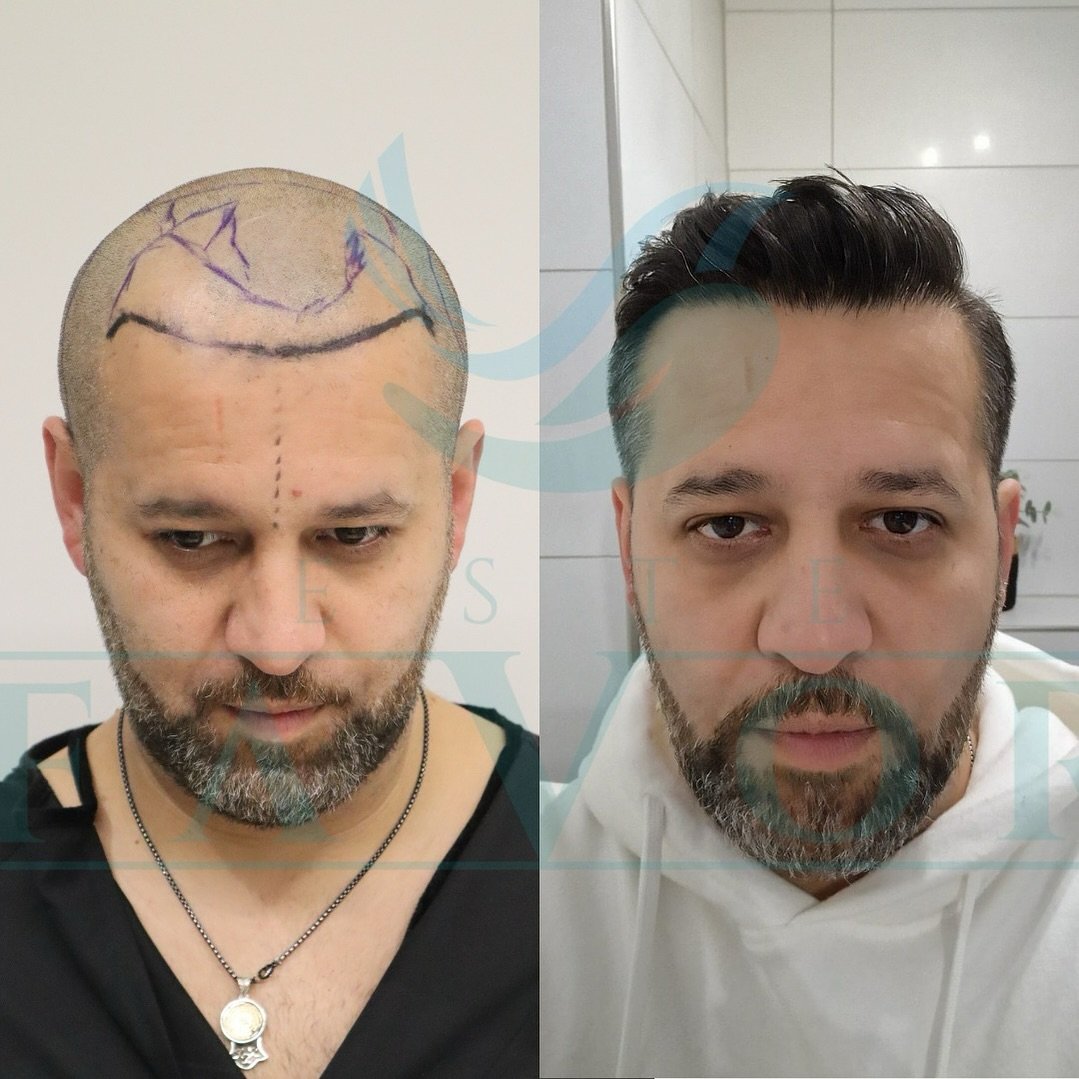
Center websites showcase patient testimonials and before-after imagery highlighting successful outcomes. While these represent curated positive results, they exhibit a surgeon’s capabilities at peak performance. Photographic portfolios should demonstrate consistent quality across many patients with comparable hair characteristics to yours, supplying valuable perspective on hair transplant results in Turkey.
Request unmodified photographs displaying various perspectives and lighting circumstances rather than exclusively ideally lit, positioned imagery. Video testimonials furnish more authentic viewpoints than written testimonials that may be edited or ghostwritten.
Online Communities and Patient Forums
Hair loss forums and social media communities where patients exchange experiences supply unfiltered viewpoints on various centers and surgeons. These communities frequently share exhaustive experiences, including difficulties that wouldn’t surface in official promotional materials.
However, forum discussions may also contain obsolete information, individual prejudices, or experiences from years past that don’t reflect current center quality. Community insights function best when integrated with other research approaches rather than relied upon exclusively.

Your Personal Decision-Making Framework
When finalizing your hair transplant India vs Turkey choice, methodically assessing multiple key variables helps guarantee you select the alternative best aligned with your particular circumstances.
Budget Planning and Financial Considerations
Contemplate your total available budget encompassing procedure expenses, travel, lodging, and emergency funds for unforeseen costs. While both destinations furnish savings versus Western procedures, ascertain whether India’s potentially lower baseline expenses or Turkey’s all-inclusive straightforwardness better aligns with your financial situation.
Evaluating Your Specific Hair Loss Case
Assess whether your case presents any atypical challenges demanding specific proficiency. Extensive baldness, previous unsuccessful procedures, or distinctive hair characteristics may benefit from surgeons with specialized experience in these scenarios.
Communication and Language Needs
Contemplate how crucial native-language communication is to your comfort and comprehension. If language support beyond English is critical, Turkish centers’ multilingual infrastructure may furnish advantages.
Travel Arrangements and Logistics
Evaluate whether you’ll travel unaccompanied or with a companion, your comfort level navigating foreign nations independently, and how much you prize simplified logistics versus potential cost reductions from independent arrangements.
Preferred Recovery Setting
Contemplate whether you favor recovering in a tourism-friendly environment, desire to integrate the trip with leisure activities, or simply wish to complete the procedure and return home expeditiously.
Long-Term Support Expectations
Evaluate how each alternative manages long-term follow-up and your access to support if questions or concerns surface during the year-long growth trajectory.
Este Favor: Setting the Standard in Turkish Hair Restoration
While both India and Turkey furnish quality hair restoration alternatives, Turkey’s infrastructure and specialization have spawned centers of excellence epitomizing the nation’s finest offerings. Este Favor embodies this care standard and is broadly acknowledged among international patients as representing the best hair transplant Turkey, fusing the advantages of Turkey’s specialized hair restoration ecosystem with exceptional patient care and validated results.
Unmatched Concentration of Expertise
Este Favor functions within Istanbul’s unmatched hair restoration environment, where concentrated proficiency and elevated procedure volumes generate extraordinary specialization. As a pillar of hair transplant Istanbul, the center’s surgeons execute numerous procedures weekly, cultivating refined technique and aesthetic discernment that emerges exclusively from extensive, consistent practice with diverse patient populations from across the globe, establishing Este Favor as a premier name for the best hair transplant Turkey.
This concentrated specialization signifies the medical team confronts and successfully resolves virtually every variety of hair loss pattern, hair texture, and aesthetic objective. Whether addressing aggressive hair loss demanding maximum graft extraction, engineering feminine hairlines with appropriate delicacy and design, or restoring hair on patients with previous unsuccessful procedures, Este Favor’s experience furnishes the expertise essential for outstanding outcomes and assists patients in understanding how many grafts are needed for a hair transplant in Turkey.
Mastery of Advanced FUE Techniques
Este Favor has cultivated exceptional proficiency in FUE hair transplant Turkey techniques, the gold standard methodology for contemporary hair restoration. The center’s surgeons employ refined extraction approaches that maximize graft survival while minimizing scarring and recovery duration. Their mastery with sapphire blade technology generates the precise, diminutive recipient sites essential for natural-appearing density and appropriate hair directionality, reinforcing Este Favor’s standing for delivering the best hair transplant Turkey results through advanced FUE hair transplant Turkey procedures.
The technical precision demanded for successful FUE—extracting individual follicular units without damage, generating thousands of perfectly dimensioned recipient sites, and implanting grafts at exact angles and depths—requires both competence and experience that Este Favor’s surgical team has cultivated through thousands of successful procedures.
Tailored Treatment Approaches
Este Favor’s methodology commences with comprehensive analysis of each patient’s distinctive characteristics including hair loss pattern, donor zone density and quality, hair texture and pigmentation, facial architecture, and aesthetic objectives. This exhaustive assessment informs customized treatment plans engineered specifically for each individual rather than implementing standardized approaches.
The center’s surgeons comprehend that successful restoration demands more than technical competence—it necessitates artistic vision to engineer hairlines and density patterns that appear wholly natural and harmonize with the patient’s facial characteristics and age. This aesthetic sophistication distinguishes outstanding results from merely satisfactory outcomes, further cementing Este Favor’s position among the best hair transplant Turkey providers.
Complete International Patient Experience
Este Favor exemplifies the holistic patient care framework that has elevated Turkey as a premier hair restoration destination. International patients receive complete bundles encompassing the surgical procedure, all requisite medications, post-surgical care, airport transportation, quality lodging, and multilingual support throughout their stay.
This integrated approach eliminates the stress and uncertainty of coordinating multiple logistics in an unfamiliar nation. Patients simply land at the airport where Este Favor representatives greet them and manage all practical details, permitting them to concentrate entirely on their procedure and recovery.
Uncompromising Quality and Safety Standards
Este Favor sustains exacting quality and safety protocols aligned with international medical benchmarks. The center’s contemporary facility features appropriate surgical environments with proper sterilization, environmental controls, and emergency apparatus. The medical team observes comprehensive safety checklists and infection prevention protocols safeguarding patient health throughout the procedure, guaranteeing the highest standards associated with the best hair transplant Turkey experience.
The center’s dedication to patient safety extends to appropriate patient screening, declining to execute procedures on individuals who aren’t suitable candidates rather than prioritizing revenue over responsible medical practice. This ethical methodology ensures that patients who do proceed possess realistic expectations and optimal conditions for successful outcomes.
Honest Dialogue and Achievable Expectations
Este Favor prioritizes candid, transparent communication about what patients can realistically anticipate from their procedures. The center furnishes detailed information about the timeline for visible results, the gradual nature of hair growth over 12-16 months, and potential challenges or constraints based on individual circumstances.
This transparency constructs trust and ensures patients comprehend the process they’re undertaking. Realistic expectations prevent disappointment and generate satisfied patients who understand their results and appreciate the improvements accomplished through restoration.
Continuous Engagement and Ongoing Support
Este Favor sustains ongoing communication with international patients throughout their recovery and growth phases. The center furnishes detailed aftercare instructions tailored to each patient’s specific procedure and encourages patients to share progress photographs and questions as their transplanted hair develops.
This continued engagement assists in identifying any concerns early and furnishes reassurance during the months-long process of hair growth and maturation. The long-term relationship between Este Favor and its patients extends well beyond the procedure itself, reflecting genuine dedication to patient satisfaction and successful outcomes.
Final Thoughts: Making the Right Choice
The hair transplant results in Turkey consistently exemplify why the nation has ascended as a global leader in hair restoration. The hair transplant India vs Turkey comparison exposes two countries furnishing significant cost advantages over Western alternatives while sustaining quality standards that yield excellent results when patients select reputable providers. Both destinations have cultivated sophisticated medical tourism infrastructure, experienced surgeons, and contemporary facilities capable of successful hair restoration, with Turkey distinguishing itself globally for delivering some of the best hair transplant Turkey results admired by patients worldwide.
Turkey, particularly Istanbul, has emerged as the global leader in hair transplantation through unprecedented specialization, extraordinary procedure volumes, and infrastructure engineered specifically for international hair restoration patients. The Turkish all-inclusive framework furnishes simplicity and comprehensive support that many patients prize highly.
India furnishes potentially lower baseline expenses and the adaptability of more customizable service alternatives, though with more variable quality and less standardized international patient infrastructure. The country’s medical proficiency is substantial, and premier Indian centers yield excellent results comparable to the finest facilities anywhere.
Your optimal selection hinges on your specific circumstances, priorities, and preferences. Contemplate not merely the baseline procedure expense but the total investment including travel, the worth you assign to simplified logistics versus flexibility, the significance of specialized focus versus broader medical tourism alternatives, and your comfort with each cultural environment.
Regardless of which destination you select, exhaustive research into specific centers, authentication of surgeon credentials and experience, examination of comprehensive patient portfolios, and realistic comprehension of what to anticipate are essential for successful outcomes. Both countries furnish excellent alternatives when you select carefully and partner with reputable, experienced providers.
For numerous international patients, Turkey’s specialized ecosystem and validated infrastructure render it the optimal selection for hair restoration. Centers like Este Favor epitomize the expertise, patient care, and results that have established Turkey’s reputation as the world’s hair transplant capital, furnishing the quality, value, and experience that transform lives through successful hair restoration.