
When basketball fans think of Trae Young, they usually imagine his fearless shooting range and clutch playmaking. Yet alongside his highlight reels, another conversation has followed him closely—the ongoing speculation about a possible Trae Young hair transplant.
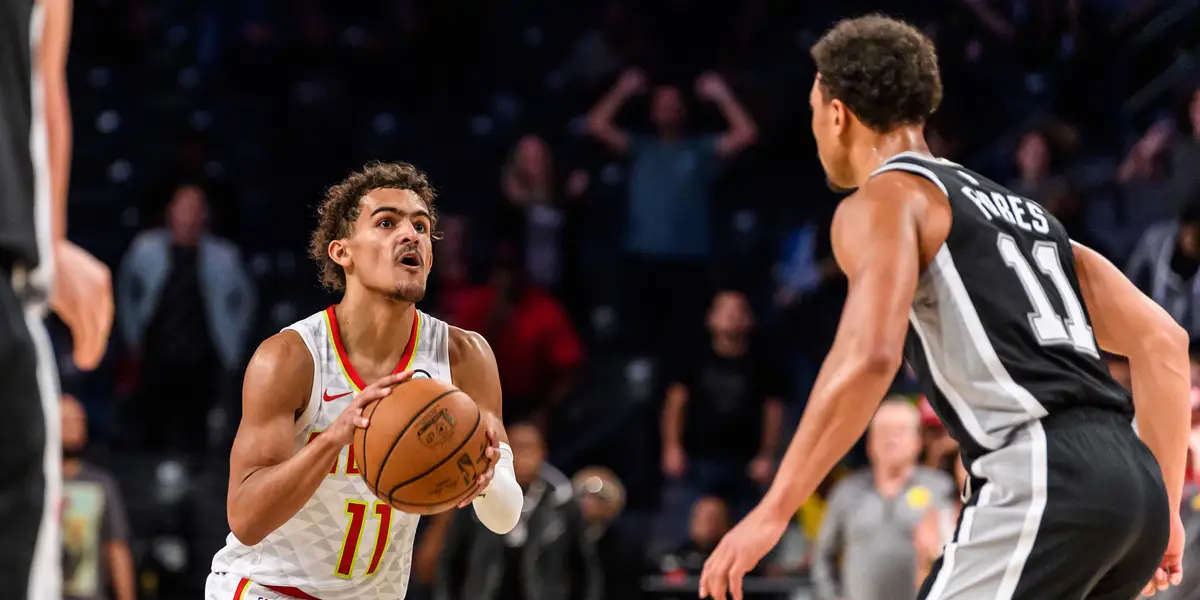
From his early NBA days, Young’s naturally fine hair and thinning crown drew attention. Over time, fans on Twitter, Reddit, and even mainstream outlets compared photos, cracked jokes, and debated whether he would eventually seek modern hair restoration. Despite the noise, Trae himself has stayed unfazed, admitting in one interview that his hair is “obviously thin on top,” but making it clear he doesn’t care much.
This discussion, however, goes beyond one athlete. It highlights how male hair loss—especially when it happens at a young age—affects millions, and how public figures like Trae Young bring the conversation into the spotlight.
Why Do Young Men Experience Hair Loss?
Seeing a 20-something professional athlete with thinning hair may surprise some people, but it’s more common than most think. The key causes include:
- Genetics (Androgenetic Alopecia): The number one driver, influenced by sensitivity to the hormone DHT, which gradually miniaturizes hair follicles.
- Hormonal & Stress Factors: Constant pressure, intense schedules, and high cortisol levels can accelerate shedding or trigger temporary conditions like telogen effluvium.
- Nutrition & Lifestyle: Deficiencies in iron, vitamin D, protein, or biotin weaken hair quality. Poor sleep, travel, and inconsistent recovery amplify the problem.
- Grooming Habits: Harsh chemicals, heat styling, or tight hairstyles can contribute to breakage and thinning.
In reality, hair loss at a young age often comes from a mix of these influences, not a single cause. Early awareness is important because treatments tend to be more effective at slowing or stabilizing loss when started sooner.
Trae Young’s Hair Transplant Journey
The rumors of a Trae Young hair transplant grew largely from visible changes in his hairline year after year:
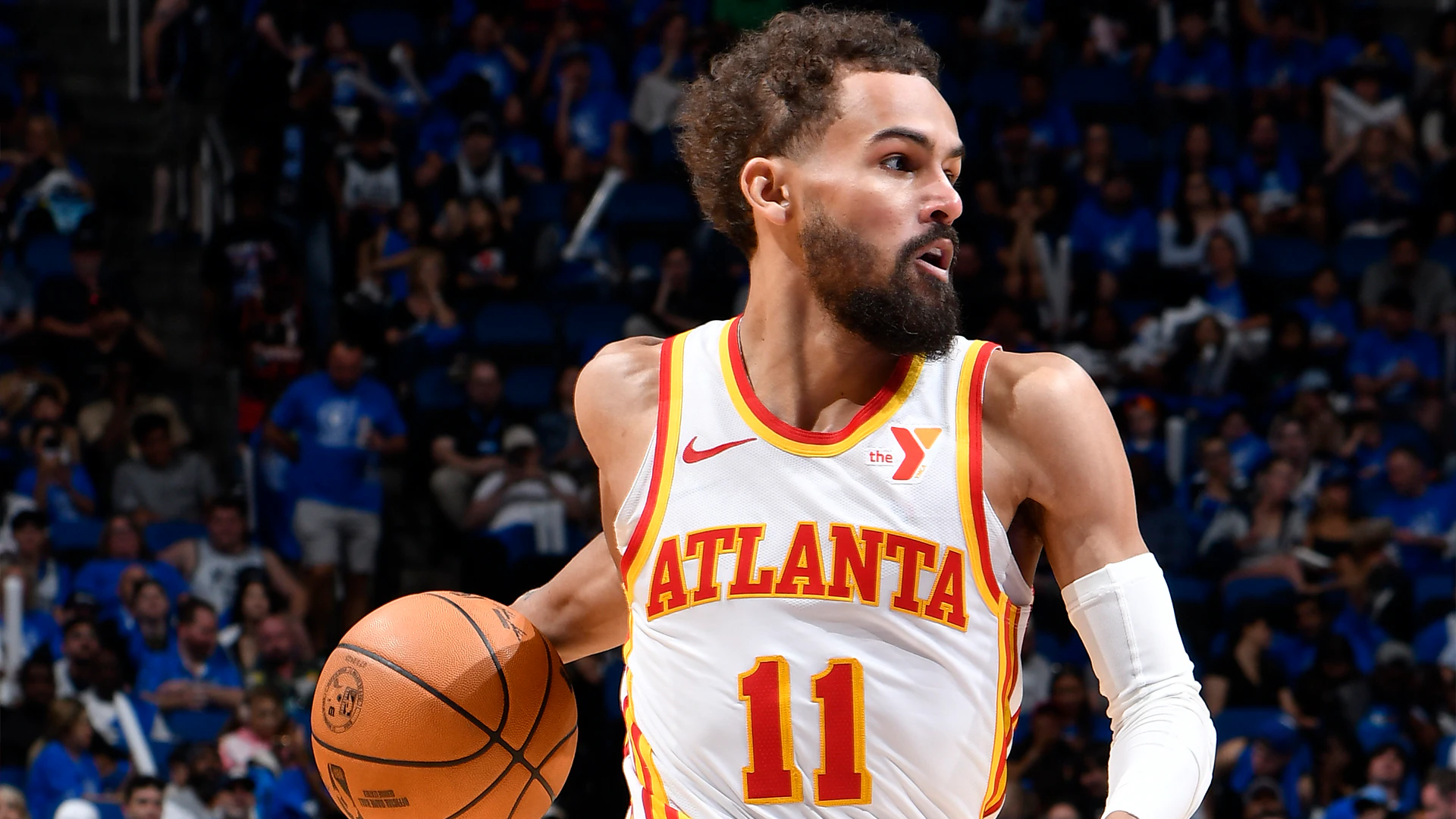
- 2018–2019 (Rookie Season): Entered the league with fine curls and a full frame, though the crown already looked light under arena lights.
- 2020–2021: Slight temple recession formed an “M-shape,” sparking online chatter.
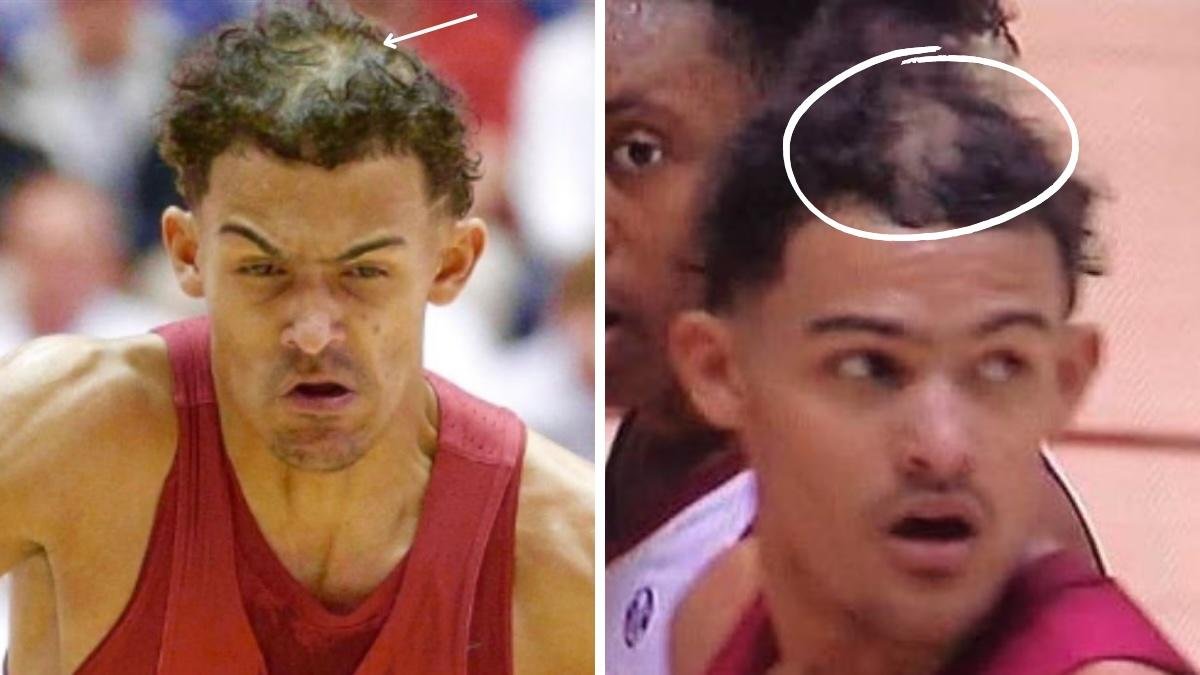
- 2022–2023: Crown thinning became obvious, fueling memes and transplant speculation.
- 2024–2025: Today, he embraces his look confidently, often balancing his style with a thicker beard.
Whether or not he ever undergoes surgery, his confidence has remained constant—a reminder that appearance doesn’t define success.
Trae Young Hair Transplant in the Media and Social Platforms
The discussion around Trae Young’s hairline has often gone beyond basketball. On social media, memes, side-by-side photo comparisons, and playful Trae Young hair transplant suggestions became almost as common as highlights of his three-pointers. Platforms like Twitter and Reddit fueled debates, with some fans encouraging him to try a transplant, while others praised him for embracing his look naturally.
Even press coverage joined the conversation—major outlets such as The New York Times humorously described his hair as “an unsolved mystery… thin yet full, wet but dry,” adding to the curiosity surrounding his appearance. Through it all, Trae Young’s own response has been calm and consistent. He has openly admitted that his hair is “obviously thin,” but he emphasizes that it doesn’t bother him—a stance that reflects quiet confidence and maturity, turning the Trae Young hair transplant rumors into a lesson in self-acceptance.
Celebrity Hair Transplants and Public Perception
This phenomenon isn’t unique to Trae Young. Many celebrities and athletes have faced the same spotlight over their hairlines. Soccer legend Wayne Rooney made headlines when he publicly admitted to his hair transplant, helping normalize the conversation for men worldwide. Tech entrepreneur Elon Musk became a viral example of dramatic hair restoration, sparking speculation and admiration alike. Other athletes—from LeBron James to Kevin Durant—have had their own hairlines analyzed and critiqued by fans and media, much like the ongoing Trae Young hair transplant debates.
These public discussions reveal more than curiosity; they show how society continues to link hair with ideas of youth, masculinity, and beauty. At the same time, they also help reduce stigma—when influential figures openly address hair loss or restoration, it encourages everyday men to feel less isolated and more comfortable exploring their options. In this way, the widespread Trae Young hair transplant speculation—whether true or not—contributes to a broader cultural shift where confidence, honesty, and self-acceptance matter far more than a perfect hairline.
Modern Hair Restoration Solutions
For individuals who, unlike Trae Young, want to take an active step against hair thinning, there are now multiple scientifically backed solutions available. These treatments range from advanced surgical procedures to non-invasive methods that can be done at home. Below are the most effective and widely used options, explained in more detail:
Hair Transplant Surgery
- FUE (Follicular Unit Extraction): FUE (Follicular Unit Extraction) technique is considered the gold standard today. Surgeons extract individual hair follicles from the donor area (usually the back of the scalp) and implant them into thinning or bald regions. Because each graft is removed separately with a micro-punch tool, scarring is minimal and healing is relatively fast. The results look natural, and this method is especially popular worldwide—particularly in Turkey, where clinics are renowned for offering high-quality procedures at more affordable costs.
- FUT (Follicular Unit Transplantation): Also called the “strip method,” this approach involves removing a strip of scalp and dissecting it into grafts. While it can transplant a higher number of hairs in one session, it does leave a thin linear scar at the donor site. FUT is often recommended for individuals with more advanced baldness who need a significant number of grafts.
FDA-Approved Medications
- Minoxidil (topical): Available as a foam or solution applied directly to the scalp, minoxidil increases blood circulation in the scalp and prolongs the hair growth phase. Consistent use often leads to thicker strands and visible improvement in density. Both medications are more effective in the earlier stages of hair loss and are often used alongside other treatments.
Low-Level Laser Therapy (LLLT)
LLLT involves the use of medical-grade devices such as laser caps, helmets, or combs that emit red or near-infrared light. These light wavelengths stimulate follicle activity at the cellular level and improve scalp circulation. While results are typically more subtle compared to transplants or medications, LLLT can help maintain density, reduce shedding, and support overall scalp health. It is best used as an add-on treatment for ongoing maintenance.
Lifestyle Optimization
Although lifestyle changes alone cannot reverse genetic baldness, they are essential for maximizing the results of other treatments. A diet rich in protein, iron, vitamin D, and biotin supports stronger hair growth. Reducing stress through exercise, meditation, or better sleep routines helps lower cortisol, a hormone that negatively impacts follicles. Avoiding smoking and limiting harsh hair care practices—like frequent bleaching, tight hairstyles, or excessive heat styling—also protects scalp health. Together, these adjustments create the best environment for treatments such as, medications, or transplants to succeed.
Treatment Options at a Glance
| Treatment | Benefits | Limitations | Best Suited For |
| FUE Transplant | Permanent, natural results | Costly, needs donor | Receding hairline, crown |
| FUT Transplant | Large graft numbers in one go | Linear scar | Advanced baldness |
| Medications | FDA-approved, slows loss | Continuous use | Early to mid-stages |
| LLLT Devices | At-home, painless | Limited regrowth | Maintenance support |
Famous Celebrities Who Had Hair Transplants
Football Players
- Wayne Rooney: One of the first footballers to openly admit his hair transplant, inspiring millions of men worldwide.
- Antonio Conte: The Italian coach went from visible balding during his playing days to a much fuller head of hair thanks to restoration.
- David Beckham: Known for his style and grooming, Beckham has long been rumored to have undergone hair transplant procedures.
- Diego Maradona: Even the legendary Argentine player was linked to hair restoration later in life.
NBA and Basketball Stars
- LeBron James: His shifting hairline has been a constant topic, fueling speculation about possible transplants and treatments.
- Carlos Boozer: Frequently discussed for his changing hair appearance, sparking jokes and transplant rumors.
- Trae Young: Although never confirmed, his fine hair texture and thinning crown have placed him in the middle of transplant speculation.
Business and Tech Icons
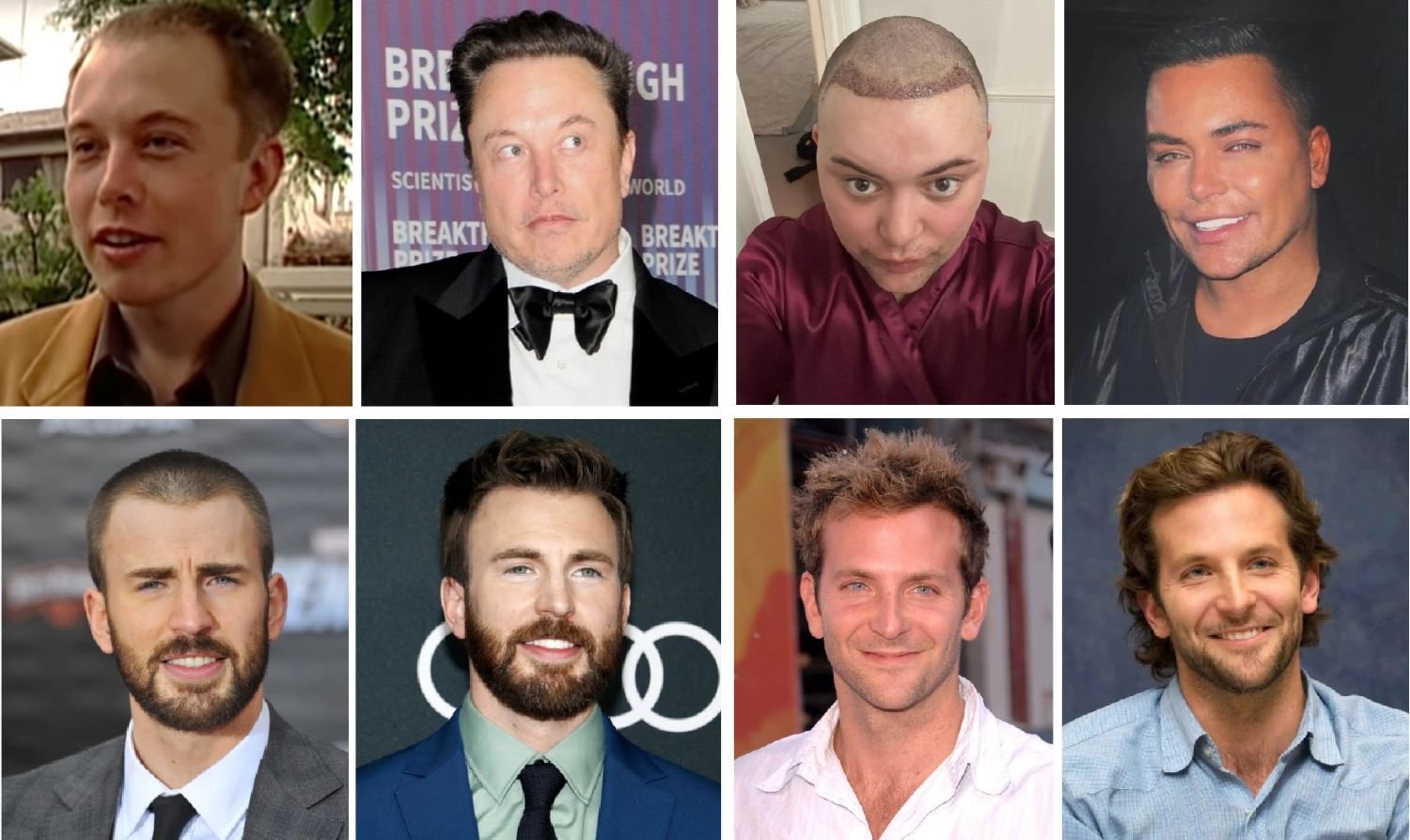
- Elon Musk: Perhaps the most famous example—his transformation from thinning hair in the ’90s to a much denser look today remains one of the most discussed cases.
- Jeff Bezos: While he hasn’t pursued restoration, his bald look often gets referenced in hair loss conversations, showing another side of the debate.
Hollywood Actors and Celebrities
- John Travolta: Known for dramatic hairline changes over the years, often attributed to transplants.
- Jude Law: Strong rumors suggest he underwent hair restoration after his temples and crown showed noticeable thinning.
- Matthew McConaughey: Once visibly thinning, he now sports a much fuller head of hair, with speculation around transplants or advanced treatments.
- Jeremy Piven: Widely recognized for undergoing hair restoration, with a visibly thicker hairline compared to his earlier years.
Key Takeaways and Expert Advice
Act early: One of the most important lessons experts highlight is the value of starting treatment as soon as possible. Hair loss is progressive, meaning that once follicles shrink beyond a certain point, they can no longer be revived. By seeking help early, whether through medications like minoxidil, it becomes much easier to slow the process and preserve density for the long term.
Combination works best: While single treatments can offer results, the most effective strategies usually involve a combination. For example, a hair transplant can restore a receding hairline or thinning crown, but pairing it with daily medication ensures that existing hairs are also protected. This dual approach not only maximizes coverage but also delivers more natural, lasting results.
Avoid common mistakes: Many people waste time and money chasing miracle shampoos, unverified supplements, or flashy promises made by low-cost clinics. These shortcuts often lead to disappointment—or worse, complications. Equally risky is ignoring post-op care, since neglecting the scalp after a transplant can compromise healing and final results. Expert advice is clear: prioritize safety, research your options, and choose reputable clinics with a proven track record.
Confidence first: Beyond treatments, the ultimate key is confidence. Hair restoration can certainly transform appearance, but true self-assurance comes from within. Whether someone chooses to embrace baldness with pride or explore modern solutions, the goal is to feel comfortable in one’s own skin. As athletes like Trae Young remind us, success and presence are defined far more by mindset and performance than by a hairline.
FAQs About Trae Young Hair Transplant Rumors
Did Trae Young get a hair transplant?
No confirmation exists. The Trae Young hair transplant speculation is mostly fan-driven and fueled by social media debates.
What causes his hair thinning?
Most likely genetic male pattern baldness, possibly combined with stress and lifestyle. Many point to this as the reason for the ongoing Trae Young hair transplant discussions.
Are hair transplants permanent?
Yes, transplanted follicles resist DHT, though surrounding native hair may still thin, which is why the Trae Young hair transplant rumors often include mention of long-term maintenance.
What is FUE hair transplant in Turkey?
A world-renowned, cost-effective option with skilled surgeons and natural results.
Conclusion
The ongoing buzz around a possible Trae Young hair transplant proves one thing clearly: hair loss is not rare, even among young men at the peak of their careers. Genetics, stress, and lifestyle often play a major role, but what makes the difference is how early someone takes action and whether they choose the right treatment path. From modern solutions like FUE hair transplants in Turkey to non-surgical options such as, or laser devices, today’s market offers effective strategies for every stage of thinning.
At the same time, Trae Young’s calm attitude shows the power of confidence. Whether you decide to embrace hair loss naturally or explore restoration, the key is feeling secure in your own skin. In the end, hair may enhance appearance, but self-assurance is what defines true success—on the court, in public, and in everyday life.